

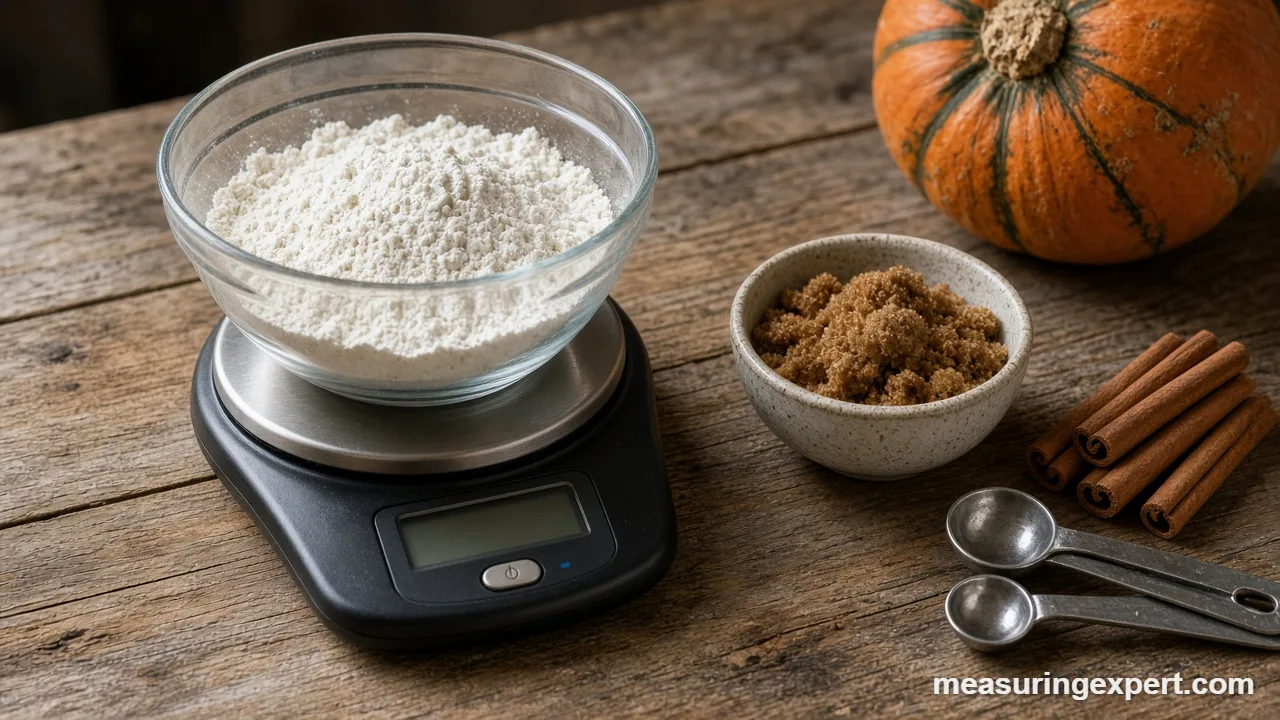
For reliable fall baking measurements, weigh your ingredients. One cup of all-purpose flour is 120 g (4 1/4 oz), a cup of packed brown sugar is 213 g, and a cup of pumpkin puree is 227 g. If you use cups, fluff the flour and level it, because a packed cup can hold up to 160 g.
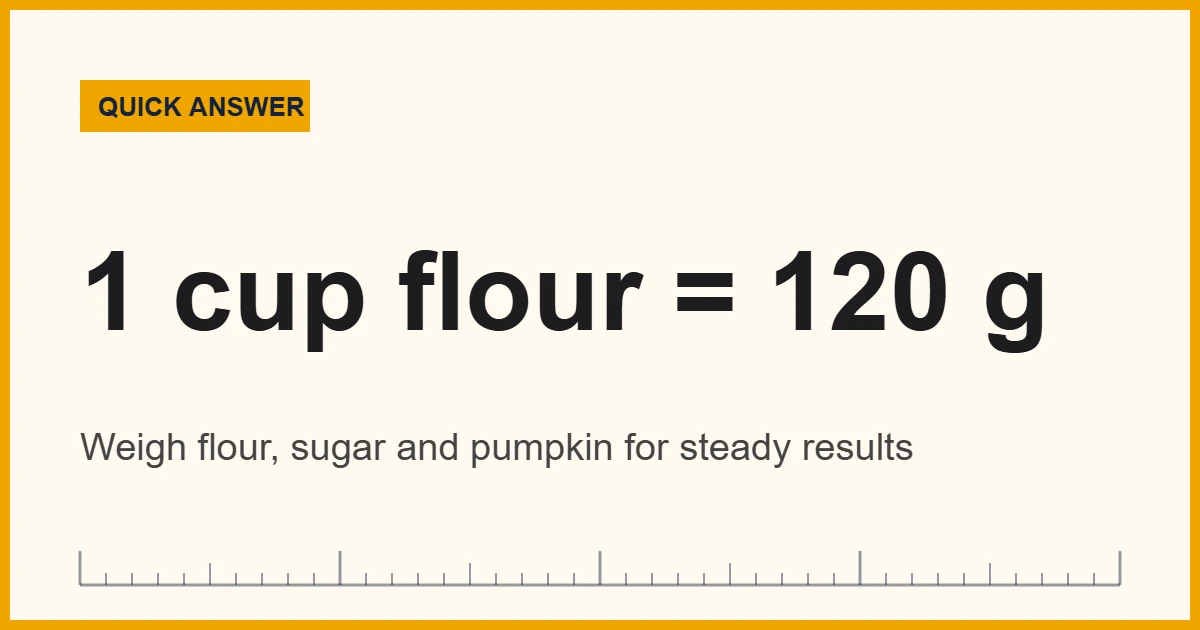
Overall, fall recipes pile on heavy, sticky and spiced ingredients: pumpkin puree, molasses, brown sugar, oats, nuts and a spoonful of five different spices. As a result, small measuring slips show up fast as a gummy pie, a dry crumble or a muffin that never rises. Fortunately, a handful of anchor numbers fixes most of these problems.
This guide gives you those numbers, along with the methods that make them work. First, you get a cups-to-grams chart for the ingredients that appear in apple, pumpkin and spice recipes. Next, you see how to scale a recipe for a different pan, which tools help most, and which mistakes to avoid.
The weights come from the King Arthur Baking ingredient weight chart, and the flour guidance comes from King Arthur’s article on how to measure flour. In addition, the spoon and cup volumes follow the National Institute of Standards and Technology (NIST) kitchen equivalents: 5 mL for a teaspoon, 15 mL for a tablespoon and 240 mL for a cup.
Fall Baking Measurements Chart: Cups to Grams
First, use this chart when a recipe lists cups and you would rather weigh. Moreover, every weight below is a published average, so treat it as a close starting point rather than a law.
| Ingredient | Amount | Ounces | Grams |
|---|---|---|---|
| All-purpose flour | 1 cup | 4 1/4 oz | 120 g |
| Granulated sugar | 1 cup | 7 oz | 198 g |
| Brown sugar, packed | 1 cup | 7 1/2 oz | 213 g |
| Confectioners’ sugar, unsifted | 1 cup | 4 oz | 113 g |
| Butter | 1 cup (2 sticks) | 8 oz | 227 g |
| Pumpkin puree | 1 cup | 8 oz | 227 g |
| Rolled oats (old-fashioned or quick) | 1 cup | 3 1/8 oz | 89 g |
| Pecans, whole | 1 cup | 3 3/4 oz | 105 g |
| Walnuts, chopped | 1 cup | 4 oz | 113 g |
| Maple syrup | 1/2 cup | 5 1/2 oz | 156 g |
| Molasses | 1/4 cup | 3 oz | 85 g |
| Honey | 1 tablespoon | 3/4 oz | 21 g |
| Vegetable oil | 1 cup | 7 oz | 198 g |
| Baking powder | 1 teaspoon | 1/8 oz | 4 g |
| Baking soda | 1/2 teaspoon | 1/10 oz | 3 g |
In addition, for common flour fractions, 1/4 cup is 30 g, 1/3 cup is 40 g, 1/2 cup is 60 g, 2/3 cup is 80 g and 3/4 cup is 90 g. For other ounce math, see how much an ounce is.
Convert Fall Baking Measurements From Grams to Ounces
Enter the grams from your recipe and the converter shows ounces and pounds, plus the formula it used. For example, 270 g of flour (2 1/4 cups) is about 9.52 oz.
Recommended Tools for Fall Baking Measurements
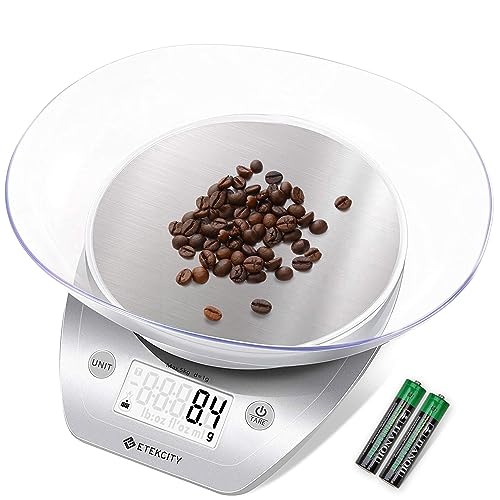
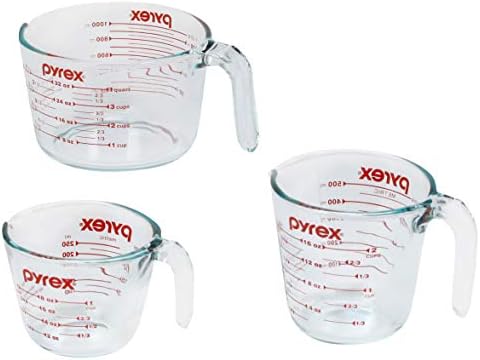
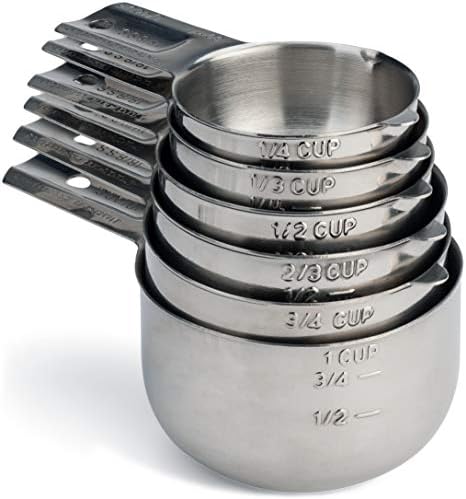
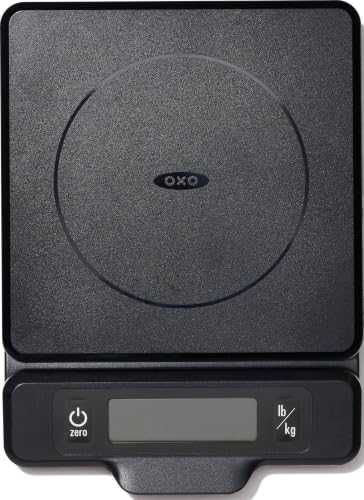
A scale does most of the work, so buy that first. First, look for a tare button, grams and ounces, and a platform big enough to hold a mixing bowl. Next, add a sturdy set of measuring spoons and a set of dry cups with flat rims for leveling. Finally, a glass liquid cup handles milk, cider and buttermilk.


As an Amazon Associate, Measuring Expert earns from qualifying purchases.
Key Takeaways
- Weigh flour, sugar, oats and nuts whenever the recipe gives grams.
- One cup of all-purpose flour is 120 g, but a packed cup can hold up to 160 g.
- Pumpkin puree and butter both weigh 227 g per cup.
- Oil the spoon before measuring honey or molasses.
- Level every spoon of baking powder, baking soda, salt and spice.
- Scale pan size by area, not by guesswork.
Dry Fall Baking Measurements: Flour, Sugar, Oats and Nuts
Flour causes the biggest errors in fall baking measurements, because it compacts in the bag. King Arthur reports that a densely packed cup can hold up to 160 g, while the fluff-and-level method gives about 120 g. In fact, that gap is one-third more flour, which turns a tender spice cake into a dry one.
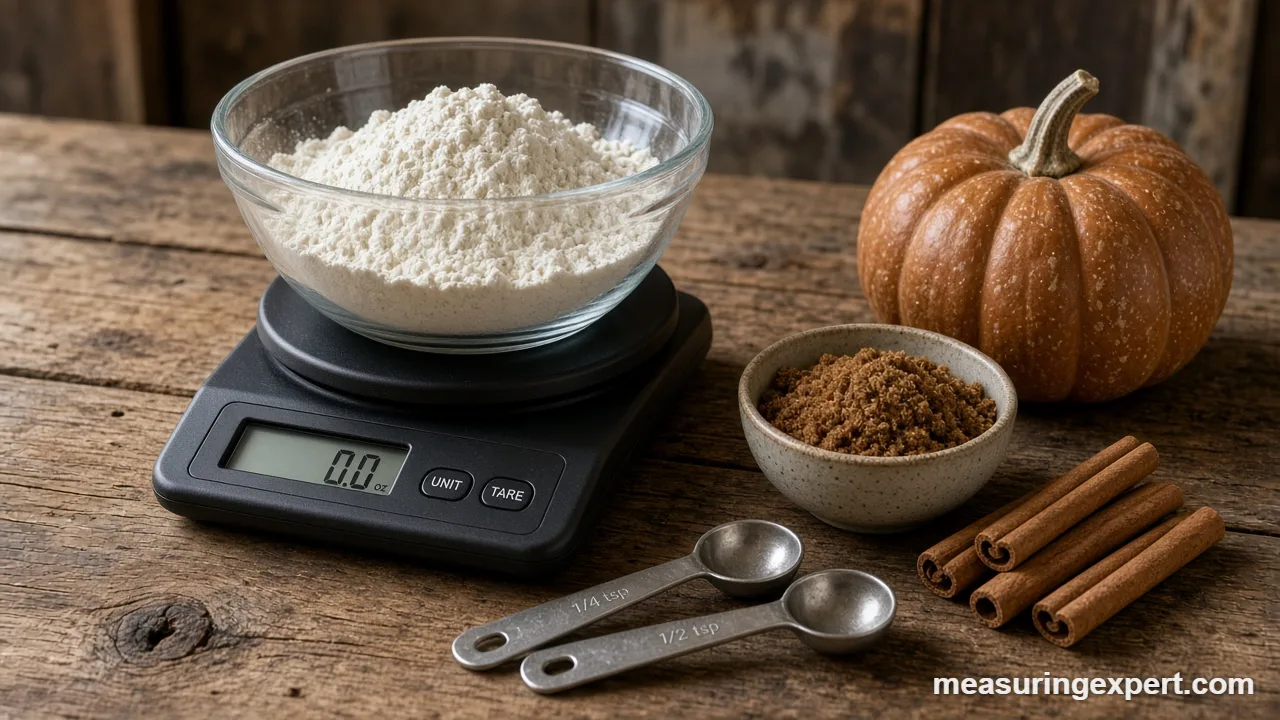
However, sugar behaves differently. White sugar pours freely, so a level cup is consistent at about 198 g. In contrast, brown sugar holds moisture and clumps, so recipes usually ask you to pack it. Thus, one packed cup is about 213 g, roughly 8 percent heavier than a cup of white sugar.
Likewise, oats and chopped nuts are bulky and uneven. A cup of old-fashioned oats weighs about 89 g, whereas a cup of chopped walnuts weighs about 113 g. Therefore, a scale saves you from guessing how finely a nut was chopped.
Sticky and Wet Ingredients: Pumpkin, Honey and Molasses
Next, pumpkin puree is the star of fall recipes, and it is easy to short. One cup weighs about 227 g (8 oz), so a recipe asking for 1 3/4 cups needs about 397 g. Because puree sticks to cups, weigh it directly into the mixing bowl.
Similarly, honey, molasses and maple syrup follow the same rule. A tablespoon of honey weighs about 21 g, a quarter cup of molasses weighs about 85 g, and half a cup of maple syrup weighs about 156 g. In addition, these syrups are far denser than water, so a measuring cup marked in fluid ounces will not show their weight.
| People often confuse | What it really measures |
|---|---|
| Fluid ounce (fl oz) | Volume: about 29.57 mL, or 2 tablespoons |
| Ounce (oz) | Weight: about 28.35 g, and the spoonfuls vary by ingredient |
How to Scale Fall Baking Measurements for a Different Pan
Pans are where fall baking measurements most often go wrong. For example, an 8-inch square pan has 64 square inches of floor, while a 9 by 13 inch pan has 117. That makes the larger pan about 1.8 times bigger, so a recipe written for the small pan needs about 1.8 times the batter. Use the table to scale a crumble or cake from 8 by 8 inches to 9 by 13 inches.
| Ingredient | 8 x 8 inch recipe | Scaled for 9 x 13 inch (x 1.8) |
|---|---|---|
| All-purpose flour | 1 cup (120 g) | 216 g |
| Granulated sugar | 1/2 cup (99 g) | 178 g |
| Brown sugar, packed | 1/2 cup (107 g) | 192 g |
| Butter | 4 tablespoons (57 g) | 102 g |
| Rolled oats | 1/2 cup (45 g) | 80 g |
However, eggs, leavening and spices do not scale as neatly. For instance, beat an egg and weigh half if you need 1.5 eggs. Similarly, add salt and spice a little at a time, then taste the batter if it has no raw egg. Baking times also change in a deeper or wider pan, so go by the doneness test in the recipe. If you lack a cup, our guide to a measuring cup substitute shows what to use.
Fall Baking Measurements Step by Step
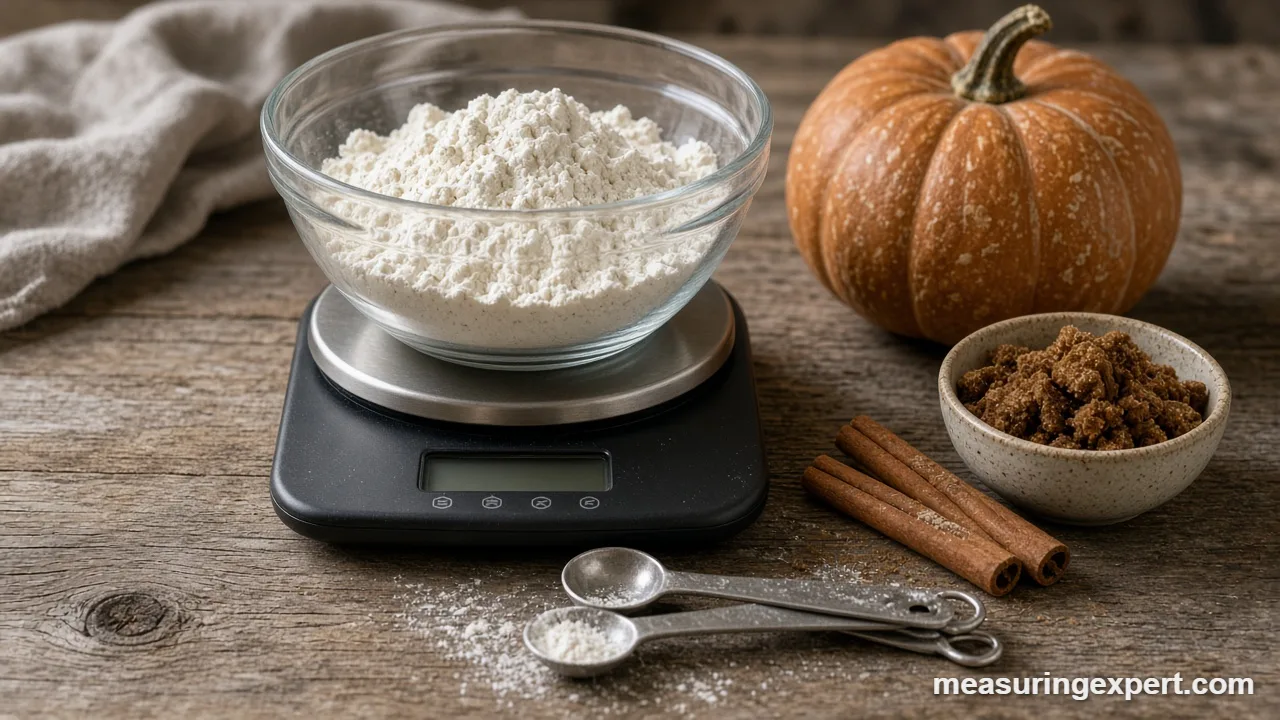
- Weigh when you can. Set a bowl on the scale, press tare, and add each ingredient until the display matches the recipe’s gram amount.
- Fluff the flour. First, stir the flour in its container to loosen it before you scoop anything.
- Spoon and level. Then sprinkle flour into a dry measuring cup until it overflows, and scrape the top flat with a straight edge.
- Pack only what should be packed. Next, press brown sugar into the cup until it holds its shape when turned out, and leave other dry ingredients loose.
- Measure liquids at eye level. Instead, set a liquid cup on the counter, pour, and read the line from the side.
- Oil the cup for sticky foods. Also, wipe a little oil inside the spoon or cup before measuring honey, molasses or peanut butter.
- Level every small spoon. Finally, sweep a knife across the rim of each spoon of baking powder, baking soda, salt or spice.
For a deeper look at scale use, read our guide on how to measure ingredients with a kitchen scale. Metric recipes from other countries are easier too, since the metric system in cooking uses grams throughout.
Common Mistakes and What to Do Instead
Do
- Fluff flour before scooping, and level the cup.
- Weigh pumpkin puree and syrups directly into the bowl.
- Check whether the recipe means packed or loose brown sugar.
- Level spoons of baking powder and baking soda.
Don’t
- Dip the cup straight into the flour bag.
- Use a liquid cup for dry ingredients.
- Heap the spoon for leavening or salt.
- Swap table salt for kosher salt by volume.
Honest Limits of Baking Weights
First, published weights are averages. For example, humidity, brand, milling and how a bag was stored all shift what a cup holds. In short, 120 g per cup of flour is a good target, not a guarantee. If a recipe states its own gram weights, trust those over any chart, because the author tested the recipe with them.
When Accuracy Matters Most
Overall, most recipes forgive a spoonful here or there. However, three situations deserve extra care: leavening, which can taste bitter or collapse a cake when you overshoot; flour in delicate cakes and pie crusts, where one-third extra makes the crumb dry; and salt in breads, where a small error changes both flavor and rise.
Frequently Asked Questions
How many grams are in a cup of flour for fall baking?
One cup of all-purpose flour weighs 120 g (4 1/4 oz) by King Arthur’s ingredient weight chart. A tightly packed cup can hold up to 160 g, which is why weighing is safer than scooping.
How much does a cup of pumpkin puree weigh?
One cup of pumpkin puree weighs about 227 g (8 oz). For best results, weigh it straight from the can into the bowl, because puree clings to cups and spoons.
What are the best fall baking measurements for brown sugar?
One cup of packed brown sugar weighs about 213 g (7 1/2 oz), while a cup of granulated sugar weighs 198 g (7 oz). Pack brown sugar only if the recipe says so; otherwise, weigh it and skip packing.
How many tablespoons are in a stick of butter?
One US stick of butter is 8 tablespoons, or 1/2 cup, and weighs 113 g (4 oz). Therefore, a whole cup of butter is 2 sticks, or 227 g.
Should I measure fall baking ingredients by weight or by volume?
In general, weight is more accurate, especially for flour, oats and nuts. Volume still works for liquids and small amounts of leavening and spices, if you level every spoon.
How do I measure honey or molasses without a mess?
First, coat the spoon or cup with a thin film of oil first, or weigh the sticky ingredient straight into the bowl. One tablespoon of honey weighs about 21 g.
Do fall baking measurements change when I double a recipe?
In general, flour, sugar, butter and liquids scale evenly. However, leavening, salt and spices often need a lighter hand, and eggs scale in whole numbers, so check the recipe notes before doubling.
How much does a teaspoon of baking powder weigh?
One teaspoon of baking powder weighs about 4 g, and 1/2 teaspoon of baking soda weighs about 3 g. Also, measure both level, never heaping.
Can I use a liquid measuring cup for flour?
It is not a good idea. Liquid cups have extra headspace and no flat rim, so you cannot level the flour. Instead, use dry cups for dry ingredients, or weigh them.
What size scale do I need for fall baking measurements?
For example, choose a digital scale with a tare button that reads in grams and ounces and holds at least 5 lb (2.3 kg). A 1 g resolution covers most recipes, while 0.1 g helps with leavening and spices.
Fall Baking Measurements: The Bottom Line
To sum up, weigh what you can and level what you cannot. A cup of flour is 120 g, a cup of pumpkin puree is 227 g, and a cup of packed brown sugar is 213 g. With those numbers and a small scale, your fall baking measurements stay steady from one batch to the next.
Finally, use the converter above for any gram amount, and scale pans by area. As a result, your pies, crumbles and spice cakes come out right.
2 thoughts on “How to Measure Ingredients for Fall Baking: Weights, Cups and Scaling”