

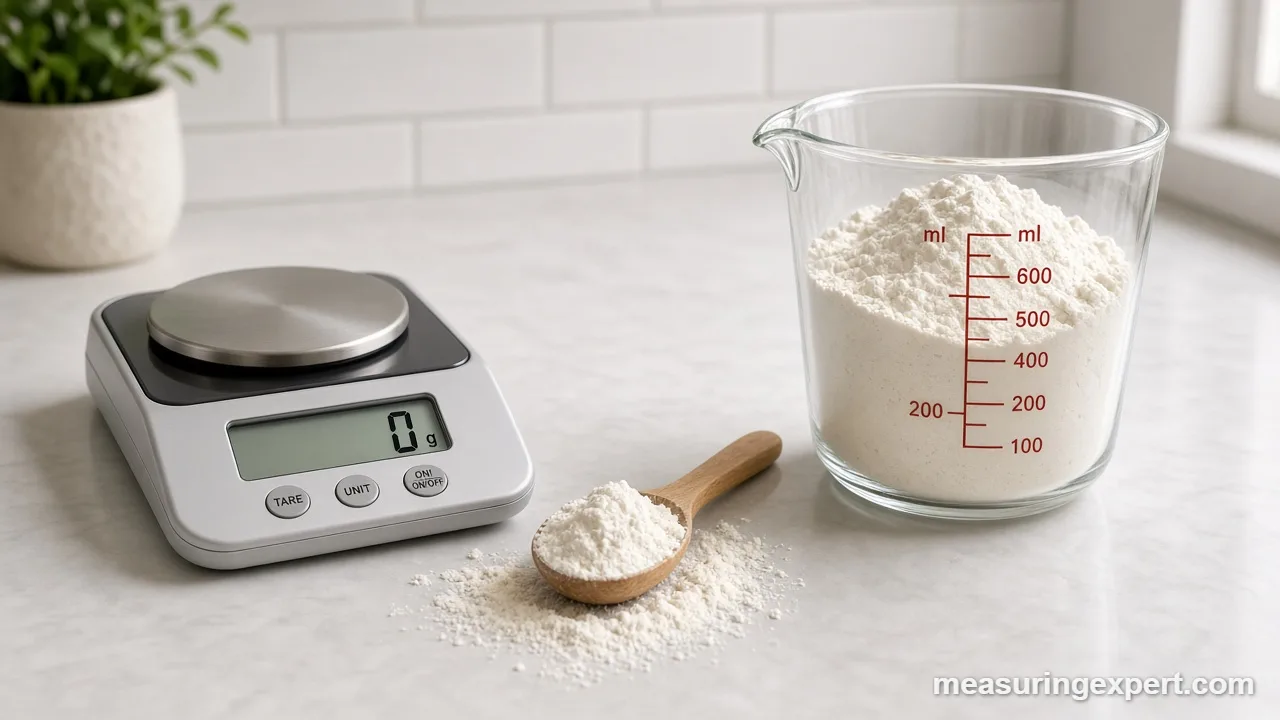
The metric system in cooking measures weight in grams and kilograms, volume in milliliters and liters, and temperature in degrees Celsius. Every unit is a multiple of 10, so 1 kg is 1,000 g and 1 L is 1,000 mL. As a result, no fractions or ounces are needed.
Overall, most of the world cooks by weight and by the milliliter, while the United States still cooks by the cup. If you have ever followed a recipe from Europe, Australia or a food blog abroad, you have met the metric system in cooking. In fact, it looks unfamiliar at first but is easier than fractions of a cup.
First, this page explains the units and how they connect. Next, it gives charts for common conversions and oven temperatures. After that, you will find a method for converting any recipe, and tools that make metric cooking easy.
Convert Cups to Milliliters and Liters
First, enter an amount in US cups, or change the unit, to see the metric value. Then the converter uses the exact US definition of a cup, which is 236.588 mL, and it also shows the 250 mL metric cup.
- In short, metric recipes use grams (g), kilograms (kg), milliliters (mL), liters (L) and degrees Celsius.
- Everything is based on 10, 100 and 1,000, so conversions only move a decimal point.
- Grams measure weight and milliliters measure volume. However, they are not interchangeable, except for water.
- A metric cup is 250 mL, a US cup is about 237 mL, and a US legal (label) cup is 240 mL.
- Meanwhile, a metric teaspoon is 5 mL and a metric tablespoon is 15 mL.
- Overall, a kitchen scale is the one tool that makes metric cooking accurate.
The Metric System in Cooking: Units You Need
Fortunately, only a handful of units appear in recipes. In fact, this approach is built on the International System of Units (SI), which the International Bureau of Weights and Measures (BIPM) describes as the internationally agreed system for measurement. For example, you will see these in recipes:
| What you measure | Unit | Symbol | Relationship |
|---|---|---|---|
| Weight | gram | g | 1 g is about the weight of a paperclip |
| Weight | kilogram | kg | 1 kg = 1,000 g (about 2.2 lb) |
| Volume | milliliter | mL | 1 mL = 1/1,000 L |
| Volume | liter | L | 1 L = 1,000 mL (about 4.2 US cups) |
| Volume (Europe) | deciliter | dL | 1 dL = 100 mL |
| Temperature | degree Celsius | C | Water freezes at 0 C and boils at 100 C |
First, the prefixes carry the meaning. For instance, kilo means 1,000, centi means 1/100, and milli means 1/1,000. Therefore, once you know them, you can read any unit at a glance. In short, 1 kilogram is 1,000 grams, and 1 milliliter is a thousandth of a liter.
Weight vs Volume in Metric Recipes
In fact, this is the biggest difference between metric and US recipes. For example, metric recipes often weigh solid ingredients such as flour, sugar and butter. In contrast, US recipes usually scoop them by the cup. Weighing is more consistent, because a cup of flour can change by 20 percent or more depending on how you fill it.
| Ingredient | Typical weight per US cup | Note |
|---|---|---|
| Water | about 237 g | 1 mL of water weighs about 1 g |
| All-purpose flour | about 120 to 125 g | Varies with scooping |
| Granulated sugar | about 200 g | Fairly consistent |
| Butter | 227 g (2 sticks) | 1 stick is about 113 g |
Meanwhile, water is the special case. One milliliter of water weighs about one gram, so 250 mL of water is about 250 g. However, this shortcut fails for oil, honey, flour and almost everything else, because they have different densities. As a result, a recipe that says “250 mL of milk” is a volume, and a recipe that says “250 g of flour” is a weight.
Metric System in Cooking: Conversion Chart
Also, these values use the exact definitions of the US customary units and are rounded for kitchen use. Additionally, for small amounts of liquid, see our guide on the measuring cup substitute ideas that work when you have no cup.
| US measure | Metric (exact, rounded) | Common rounding in recipes |
|---|---|---|
| 1 teaspoon | 4.93 mL | 5 mL |
| 1 tablespoon | 14.79 mL | 15 mL |
| 1 fluid ounce | 29.57 mL | 30 mL |
| 1/4 cup | 59.15 mL | 60 mL |
| 1/3 cup | 78.86 mL | 80 mL |
| 1/2 cup | 118.29 mL | 120 mL |
| 3/4 cup | 177.44 mL | 180 mL |
| 1 cup | 236.59 mL | 240 mL |
| 1 ounce (weight) | 28.35 g | 28 or 30 g |
| 1 pound | 453.59 g | 450 g |
NIST publishes a similar table of metric kitchen equivalents, listing 5 mL for a teaspoon, 15 mL for a tablespoon and 240 mL for a cup. However, it describes these as approximate values for home cooking.
Celsius Oven Temperatures in Metric Recipes
Next, temperature is the other half of the switch. To convert, subtract 32 from the Fahrenheit value and multiply by 5/9. Afterward, recipes round to the nearest 5 or 10 degrees, since ovens are not that precise.
| Fahrenheit | Celsius (exact) | Usually written as |
|---|---|---|
| 300 F | 148.9 C | 150 C |
| 325 F | 162.8 C | 160 or 165 C |
| 350 F | 176.7 C | 175 or 180 C |
| 375 F | 190.6 C | 190 C |
| 400 F | 204.4 C | 200 or 205 C |
| 425 F | 218.3 C | 220 C |
| 450 F | 232.2 C | 230 C |
Also, fan (convection) ovens often need about 20 C less than the recipe says. Check your oven manual, because rules differ by model.
US Cups vs Metric Cups
First, the word “cup” does not mean one size. Therefore, this table is the quickest way to avoid a mix-up when you read a recipe from another country.
| Cup type | Volume | Where you see it |
|---|---|---|
| US customary cup | 236.59 mL | US recipes |
| US legal (nutrition label) cup | 240 mL | US food labels |
| Metric cup | 250 mL | Australia, New Zealand, Canada and others |
| Imperial cup (old UK) | about 284 mL | Older British recipes |
In fact, the gap between a US cup and a metric cup is only about 6 percent. In most cooking, however, that is fine. For baking, though, it can change the texture, so weigh when you can.
Recommended Tools for the Metric System in Cooking
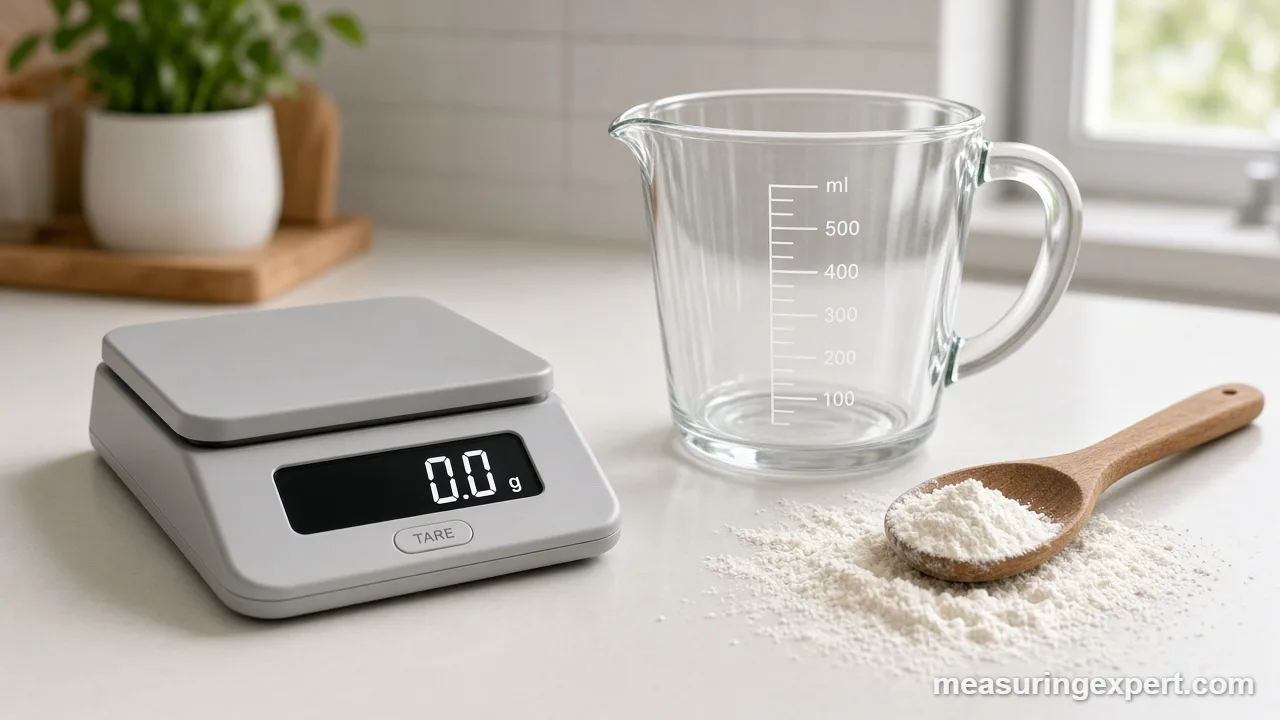
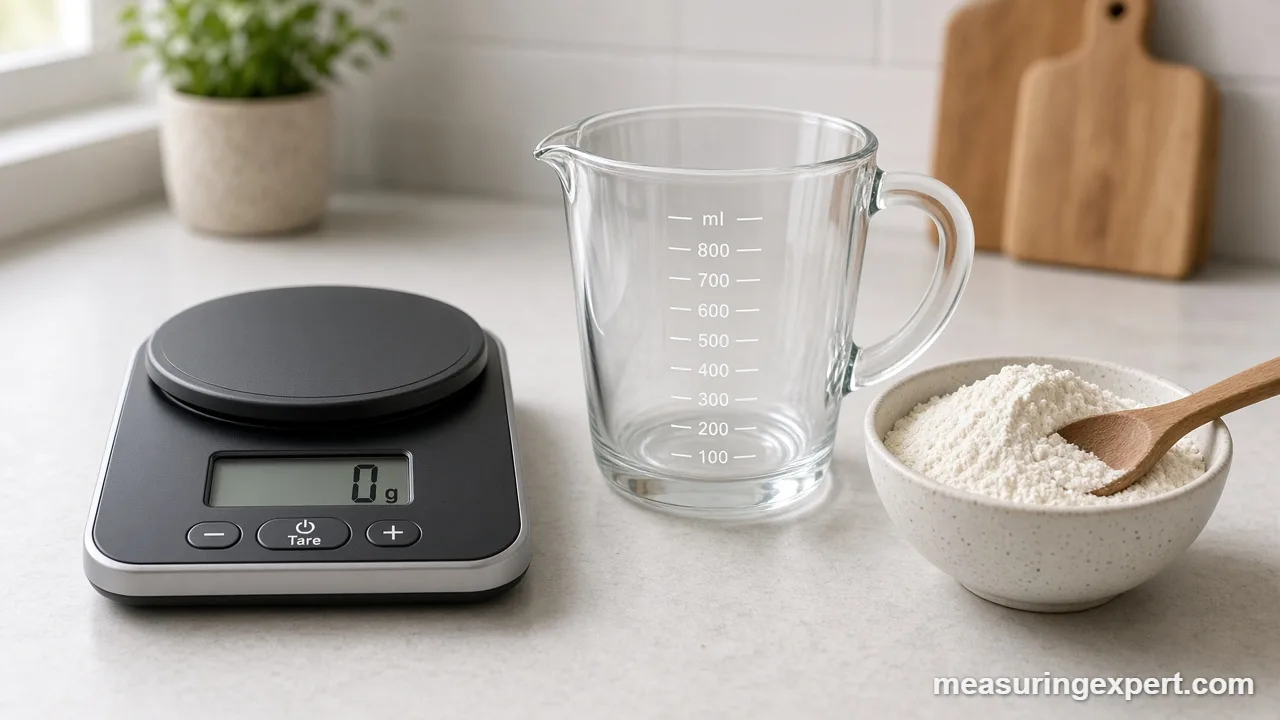
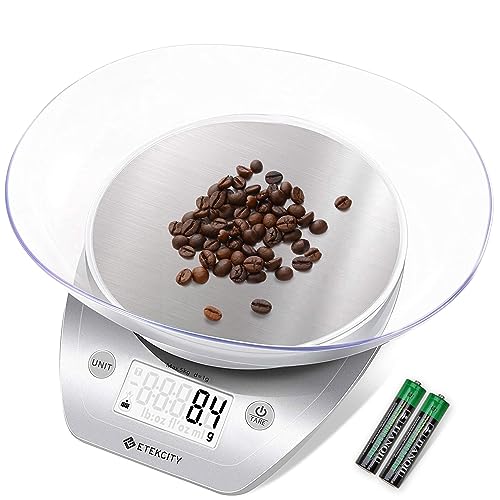
In fact, you need very little equipment. A digital scale that switches between grams and ounces is the most useful, followed by a measuring jug marked in milliliters and a spoon set marked in mL. Also, look for clear engraved markings and a tare button on the scale.




As an Amazon Associate, Measuring Expert earns from qualifying purchases.
How to Convert a US Recipe to the Metric System in Cooking
- Weigh the dry ingredients. Use a trusted gram value for each ingredient instead of converting cups to milliliters.
- Convert liquids by volume. Then multiply cups by 236.6 to get milliliters, or use the converter above.
- Convert spoons. Next, use 5 mL per teaspoon and 15 mL per tablespoon.
- Convert the oven. Subtract 32, then multiply by 5/9, and round to the nearest 5 C.
- Round sensibly. Also, round grams to the nearest 5 g for large amounts, and keep small amounts such as salt and yeast exact.
- Write it down. Note the new values on the recipe so you only convert once.
Why Cooks Prefer the Metric System in Cooking
In short, people who switch rarely go back. For one thing, scaling is easy: halving 350 g gives 175 g, and halving 3/4 cup gives 3/8 cup. Moreover, a scale lets you add ingredients straight into one bowl, which also means fewer dishes to wash. In addition, recipes from around the world become usable at once.
Do and Don’t When Cooking in Metric
Do
- Weigh flour, sugar and butter in grams.
- Also, use the tare button between ingredients.
- Check whether the recipe uses a 250 mL or 240 mL cup.
- Next, round oven temperatures to the nearest 5 C.
- Finally, keep a printed conversion chart nearby.
Don’t
- Treat grams and milliliters as the same thing.
- Convert a whole recipe from rounded numbers.
- Use a fluid ounce for dry weight, because it measures volume instead.
- Assume 1 mL equals 1 g for oil or honey.
- Forget to check the unit on a new scale, since many default to ounces.
Honest Limits of Metric Conversions
In practice, conversions are exact on paper but never perfect in a kitchen. For example, a recipe written for a 250 mL cup will not behave quite the same in a 237 mL cup. Also, ingredient weights vary between brands and with humidity. In short, treat the values on this page as reliable starting points, and adjust by feel and by taste.
When the Metric System in Cooking Needs Extra Care
In general, a small error rarely matters in soup. However, it does matter for bread, candy, yeast, curing salt and baking soda. Likewise, any food-safety temperature should be checked in Celsius or Fahrenheit with a thermometer, as our guide to meat thermometer doneness explains. Finally, for medicine, never use kitchen measures; use the dosing device supplied.
Frequently Asked Questions
How is the metric system used in cooking?
Recipes list weight in grams, volume in milliliters or liters, and oven heat in degrees Celsius. Because every unit is a multiple of 10, converting between them only moves the decimal point.
What is the metric system in cooking and how does it work?
In short, it is the cooking version of the SI. You weigh with a scale in grams and measure liquids in milliliters, which makes scaling a recipe a matter of simple multiplication.
What does 1 dL mean on a measuring cup?
In other words, one dL is one deciliter, which equals 100 mL or one tenth of a liter. Also, it is common on European measuring cups.
What is the metric equivalent of 1 cup?
One US cup is 236.59 mL, usually rounded to 240 mL. A metric cup, however, is 250 mL.
Is the metric system in cooking more accurate than cups?
Yes, for solid ingredients. In particular, weighing in grams avoids the changes caused by packing and scooping, so results are more repeatable.
How many grams are in a cup of flour?
A US cup of all-purpose flour is typically 120 to 125 g, although it varies with how you scoop. Therefore, a scale gives a reliable answer.
Does 1 mL equal 1 g?
Only for water, or liquids with a similar density. Oil, honey, milk and flour have different densities, so convert them using their own values.
How do I convert Fahrenheit to Celsius for baking?
First, subtract 32 and multiply by 5/9. For example, 350 F is 176.7 C, which most recipes round to 175 or 180 C.
Why does the United States not use the metric system in cooking?
US recipes grew out of customary units, so the habit stuck. Nutrition labels, however, already list grams and milliliters, and many home cooks now use scales.
What tools do I need for metric cooking?
In short, a digital scale with a gram setting and tare button, a measuring jug marked in milliliters, and a set of spoons marked in mL are enough.
The Metric System in Cooking: Bottom Line
To sum up, the metric system in cooking uses grams for weight, milliliters for volume and Celsius for heat, and every step is a power of 10. In addition, weigh solid ingredients, measure liquids by volume, and remember that 1 mL equals 1 g only for water.
Finally, start with the converter above, keep the oven chart handy, and add a scale to your kitchen. After a few recipes, converting will feel natural.