

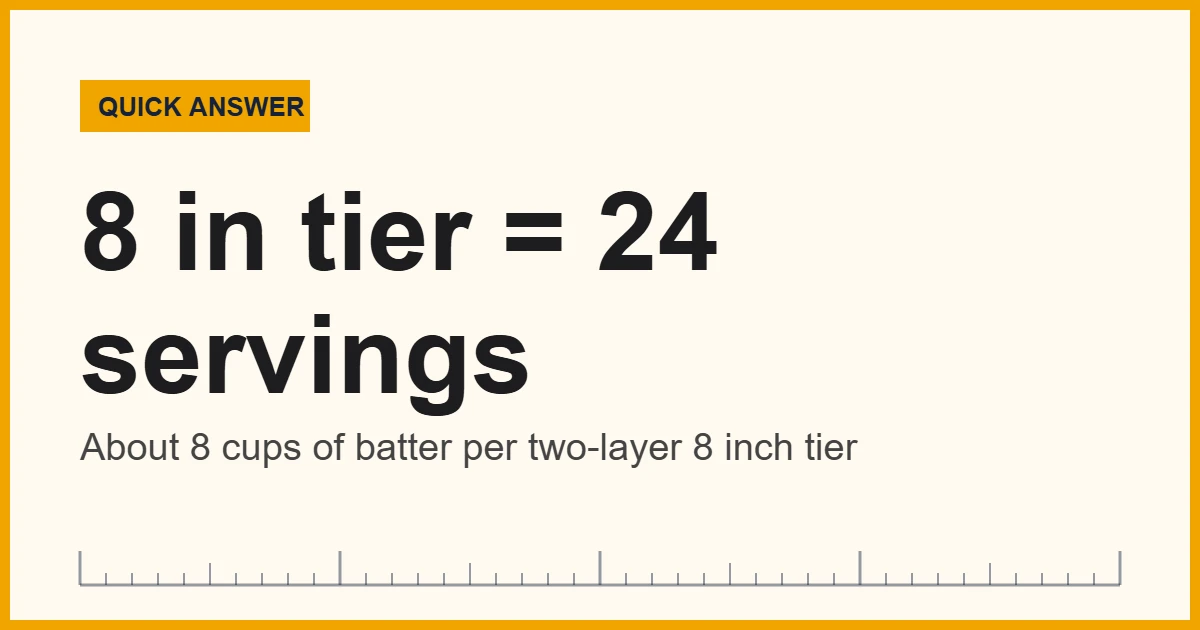
Wedding cake measurements start with the tier: an 8 inch round serves about 24, a 10 inch about 38 and a 12 inch about 56, using a 1 x 2 inch slice. Each 2 inch layer needs roughly 4, 6 and 8 cups of batter, so a two-layer 8 inch tier takes about 8 cups (1.9 L).
Convert Cups of Batter to Milliliters and Ounces
Pan charts give batter in US cups. However, many scales and recipes use milliliters. First, enter the cups for your tier below, and the converter shows the same volume in other units. Next, use it after you read the batter table further down.
In short, planning a tiered cake means answering three questions: how many guests each tier feeds, how much batter fills each pan, and how the tiers stack. In other words, wedding cake measurements are mostly pan geometry, and the same wedding cake measurements apply to round and square tiers. Overall, this guide covers all three with a wedding-specific angle. For everyday party cakes, see our guide to birthday cake pan sizes and batter cups, and for frosting and fondant amounts, read cake decorating measurements.
- Wedding slices are about 1 x 2 inches, smaller than the 1.5 x 2 inch party slice.
- Servings track the top area of the pan: roughly area in square inches divided by 2.
- A two-layer tier needs about twice the per-layer batter listed for its pan size.
- Fill pans only about half to two thirds full, because batter rises.
- Each upper tier needs a board the same diameter as the cake, plus dowels in the tier below.
- Weigh ingredients when you scale up wedding cake measurements, since small cup errors multiply across tiers.
Wedding Cake Measurements: Servings per Tier
First, the chart below uses Wilton’s published wedding servings for cakes about 4 inches tall (two 2 inch layers with filling). Also, each slice is about 1 x 2 inches. In short, treat every number as a planning guide rather than a promise.
| Pan size | Round tier (wedding servings) | Square tier (wedding servings) | Party servings (round) |
|---|---|---|---|
| 6 in (15 cm) | 12 | 18 | 12 |
| 8 in (20 cm) | 24 | 32 | 20 |
| 10 in (25 cm) | 38 | 50 | 28 |
| 12 in (30 cm) | 56 | 72 | 40 |
| 14 in (36 cm) | 78 | 98 | 63 |
| 16 in (41 cm) | 100 | 128 | 77 |
As a result, the numbers climb fast. For example, a 12 inch round serves more than twice as many as an 8 inch round, because area grows with the square of the diameter. For a deeper look at how pastry precision affects results, see measurement in pastry making.
How Wedding Cake Measurements Turn Into Servings
However, you can check any chart yourself. First, a 1 x 2 inch slice covers 2 square inches of the cake top. Therefore, servings are about the top area divided by 2.
- Round pan: area = 3.1416 x radius x radius. For example, for an 8 inch pan, 3.1416 x 4 x 4 = 50.3 square inches, which gives about 25 slices (the chart says 24).
- Square pan: area = side x side. For instance, a 10 inch pan has 100 square inches and gives 50 slices, which matches the chart exactly.
- Similarly, a 12 inch round has 113.1 square inches and gives about 56 slices, matching the chart.
As a result, you can estimate an unusual pan size without a chart. Round the answer down, because the outer slices lose some cake to curved edges.
Batter Volume: Wedding Cake Measurements per Pan
In addition, batter amounts below follow Wilton’s pan guide for 2 inch deep pans filled about half to two thirds full. Meanwhile, the pan-volume column comes from the pan dimensions (1 cubic inch = 16.387 mL), so you can see how much headroom the batter leaves.
| Round pan | Batter per layer | Batter per 2-layer tier | Pan volume (2 in deep) | Fill level |
|---|---|---|---|---|
| 6 in | 2 1/4 cups (532 mL) | 4 1/2 cups (1.06 L) | 3.9 cups | 57% |
| 8 in | 4 cups (946 mL) | 8 cups (1.89 L) | 7.0 cups | 57% |
| 10 in | 6 cups (1.42 L) | 12 cups (2.84 L) | 10.9 cups | 55% |
| 12 in | 8 cups (1.89 L) | 16 cups (3.79 L) | 15.7 cups | 51% |
| 14 in | 11 1/2 cups (2.72 L) | 23 cups (5.44 L) | 21.3 cups | 54% |
| 16 in | 16 cups (3.79 L) | 32 cups (7.57 L) | 27.9 cups | 57% |
Also, large pans in wedding cake measurements bake slowly in the middle. For this reason, Wilton recommends a heating core for pans 12 inches across and 3 inches deep or larger, and it drops the oven to 325 F for 14 and 16 inch pans.
Wedding Cake Measurements for Tier Combinations
Once you pick sizes, add them up. For example, the totals below assume round tiers, two layers each, and the Wilton figures above.
| Tier sizes (inches) | Wedding servings | Total batter |
|---|---|---|
| 6 + 10 | 50 | 16 1/2 cups (3.9 L) |
| 8 + 12 | 80 | 24 cups (5.7 L) |
| 6 + 8 + 10 | 74 | 24 1/2 cups (5.8 L) |
| 6 + 9 + 12 | 100 | 30 1/2 cups (7.2 L) |
| 8 + 10 + 12 | 118 | 36 cups (8.5 L) |
| 6 + 8 + 10 + 12 | 130 | 40 1/2 cups (9.6 L) |
| 8 + 12 + 16 | 180 | 56 cups (13.3 L) |
Also, many couples order a smaller display cake and extra sheet cakes. In that case, subtract the sheet-cake servings first, then size the tiers for what remains.
How to Plan and Stack Tiers by the Numbers
- Pick tier sizes. First, choose pan diameters that step down by 2 to 4 inches, such as 6, 8 and 10.
- Check servings. Next, add the wedding servings for each tier and compare the total with your guest count.
- Scale the batter. Then multiply the cups per layer by 2 for each tier, then convert to mL or weight.
- Bake and level. Next, bake at the listed temperature, cool, then level each layer so the tier is about 4 inches tall.
- Set the boards. Next, place each upper tier on a board that matches its diameter.
- Dowel the lower tiers. Then mark the next tier’s board outline, push dowels in about 1 1/2 inches inside it, and cut them level with the icing.
- Add a center dowel. Finally, drive a sharpened dowel through every tier and board for stability.
For reference, the board and dowel details come from Wilton’s tiered cake instructions. However, always follow your own supplier’s guidance, since dowel material and cake weight vary.
Wedding Cake Measurements for Dowels, Boards and Stacking
| Part | Size rule |
|---|---|
| Upper tier board | Same diameter as that tier’s cake |
| Base board | At least 2 in (5 cm) wider than the bottom tier |
| Dowel position | About 1 1/2 in (3.8 cm) inside the outline of the next tier’s board |
| Dowel length | Cut to the height of the tier, level with the icing surface |
| Extra dowels | At least three more toward the center for tiers 12 in or larger |
| Center dowel | One sharpened dowel through all tiers and boards |
Next, measure every tier except the top one, then cut its dowels to that height. However, if one dowel sits higher than the rest, the tier above will tilt. Therefore, check each dowel against a straight edge before you stack.
Weigh Ingredients for Wedding Cake Measurements
In fact, scaling wedding cake measurements by volume multiplies small errors. For instance, a cup of flour can swing by 20 grams or more depending on how you fill it. For reference, King Arthur lists 1 cup of all-purpose flour at 120 grams and 1 cup of granulated sugar at 198 grams, and it lists a large egg at 50 grams.
To scale, first divide the batter your new pan needs by the batter your recipe makes. For example, a recipe that fills two 8 inch layers makes about 8 cups. A 12 inch two-layer tier needs 16 cups, so the multiplier is 2.0. A 6 inch tier needs 4 1/2 cups, so the multiplier is about 0.56.
| Example ingredient | 8 in tier recipe | x 2.0 for 12 in tier |
|---|---|---|
| All-purpose flour | 2 1/2 cups = 300 g | 600 g |
| Granulated sugar | 2 cups = 396 g | 792 g |
| Large eggs | 4 = 200 g | 8 = 400 g |
However, the recipe above is only an example for showing the math. Instead, use your own tested formula, and bake a small trial before the wedding. Also read our guide to measuring ingredients with a kitchen scale for taring and unit tips.
Recommended Tools for Wedding Cake Measurements

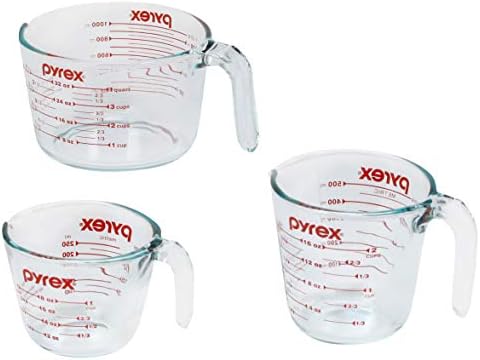

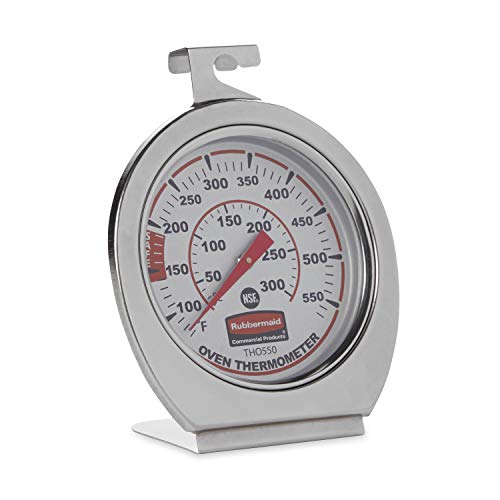


As an Amazon Associate, Measuring Expert earns from qualifying purchases.
Do and Don’t for Tiered Cakes
Do
- First, weigh every ingredient, and write the weights on your recipe card.
- Then level each layer so the tier is the same height all the way across.
- Also check your oven with a separate thermometer.
- Finally, chill tiers before stacking so the icing is firm.
Don’t
- Fill pans to the rim, because the batter will overflow.
- Guess servings from the pan name alone without checking the height.
- Stack tiers without boards and dowels.
- Trust one batch to scale perfectly the first time you try it.
Honest Limits of Serving Charts
Serving charts for wedding cake measurements are guides. For example, real slices vary with the knife, the cutter and how thick each guest wants a piece. In fact, Wilton itself calls its numbers a guide. Similarly, pan depth, oven performance and altitude change bake times, so check doneness at the shortest listed time. In addition, dowel counts depend on cake weight, filling and transport, so a professional decorator may use more support than any chart shows.
When to Ask a Professional Baker
Overall, hire or consult a professional if the cake must travel a long way, serve more than about 150 guests, or hold heavy fillings or fondant sculpting. A baker can also advise on food safety for perishable fillings and on venue temperature.
Frequently Asked Questions
How many servings does a wedding cake tier give?
Wilton’s chart uses a 1 x 2 inch wedding slice. For example, an 8 inch round tier 4 inches tall gives about 24 servings, a 10 inch round about 38, and a 12 inch round about 56.
How do wedding cake measurements differ from party cake servings?
Party slices are about 1.5 x 2 inches, while wedding slices are about 1 x 2 inches. As a result, a 12 inch round serves about 40 as a party cake but about 56 as a wedding cake.
How much batter do I need for an 8 inch round wedding tier?
Wilton lists about 4 cups (946 mL) per 2 inch layer. A tier with two layers therefore needs about 8 cups, or roughly 1.9 L, of batter.
How many servings are in a three-tier 6, 8 and 10 inch wedding cake?
Therefore, adding the round-tier figures gives 12 + 24 + 38 = 74 servings. That count also assumes every tier is about 4 inches tall and cut into 1 x 2 inch slices.
How tall should each wedding cake tier be?
In general, most tiers are about 4 inches tall, built from two baked layers plus filling. Wilton’s chart says cakes 3 to 6 inches tall give the same servings, while cakes under 3 inches give half.
How many dowels does each tier need?
However, Wilton does not give a single count. It says to place dowels about 1 1/2 inches inside the outline of the next tier’s board, with at least three extra dowels toward the center for cakes 12 inches or larger.
What size cake board goes under each tier?
Each upper tier sits on a board with the same diameter as the cake. In addition, the base board should be at least 2 inches wider than the bottom tier, according to Wilton.
Should I weigh or scoop flour for a wedding cake?
Weigh it, because King Arthur lists 1 cup of all-purpose flour at 120 grams, but scooped cups can run heavier. As a result, a scale removes that error across many batches.
How do I scale a cake recipe from an 8 inch pan to a 12 inch pan?
First, multiply every ingredient by the batter ratio. Wilton’s figures give 8 cups for a 12 inch two-layer tier against 4 for an 8 inch layer, so the multiplier is 2.0.
Can I trust a serving chart exactly?
No, because Wilton calls its numbers a guide, and real servings depend on slice size, tier height and how the cake is cut. So plan a few extra servings if the guest count is firm.
Wedding Cake Measurements: The Bottom Line
First, start with guests, divide the cake into 1 x 2 inch slices, and pick tiers that add up to your count. Then multiply the per-layer batter by two for each tier, and weigh your ingredients. Finally, support every tier with a matching board and dowels.
For sources, see Wilton’s cake serving guide, its tiered cake instructions and King Arthur’s ingredient weight chart.