
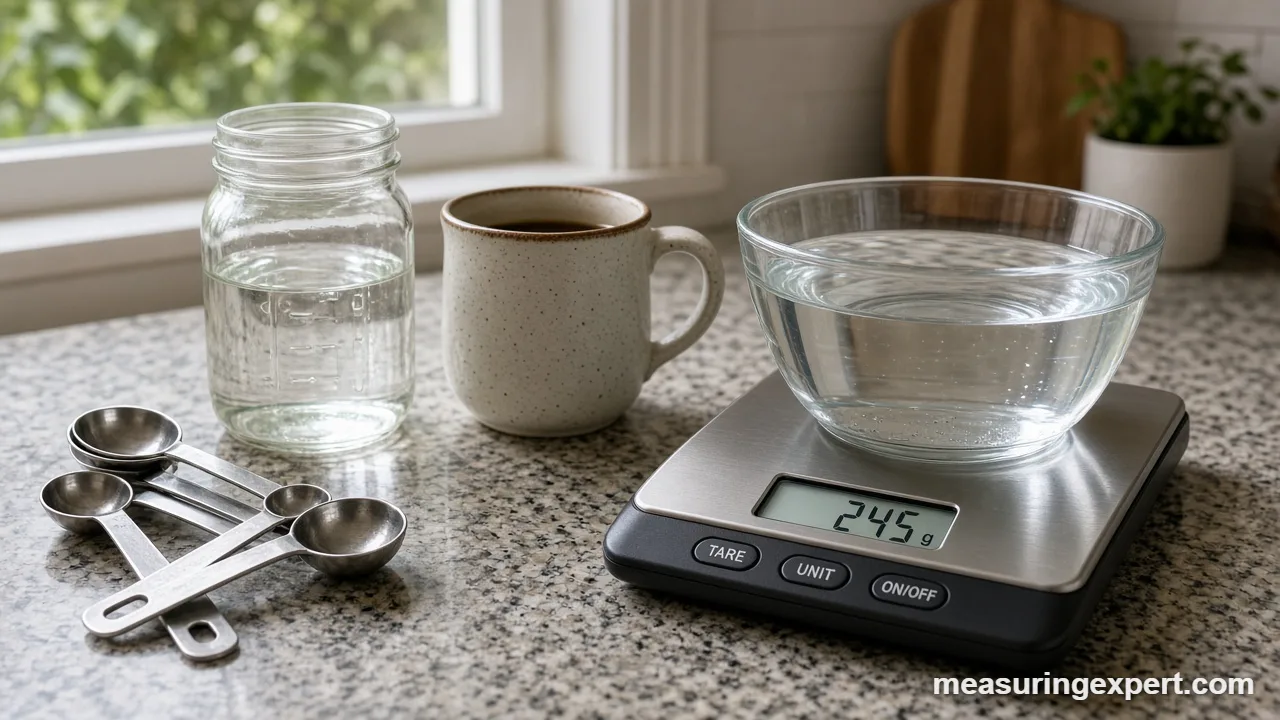
To measure liquid without a measuring cup, use measuring spoons, a kitchen scale or a labeled container. For example, 16 US tablespoons make 1 cup (about 236.6 mL), and 1 cup of water weighs about 236 g. A mug or glass works for rough amounts, but sizes vary, so check it first.
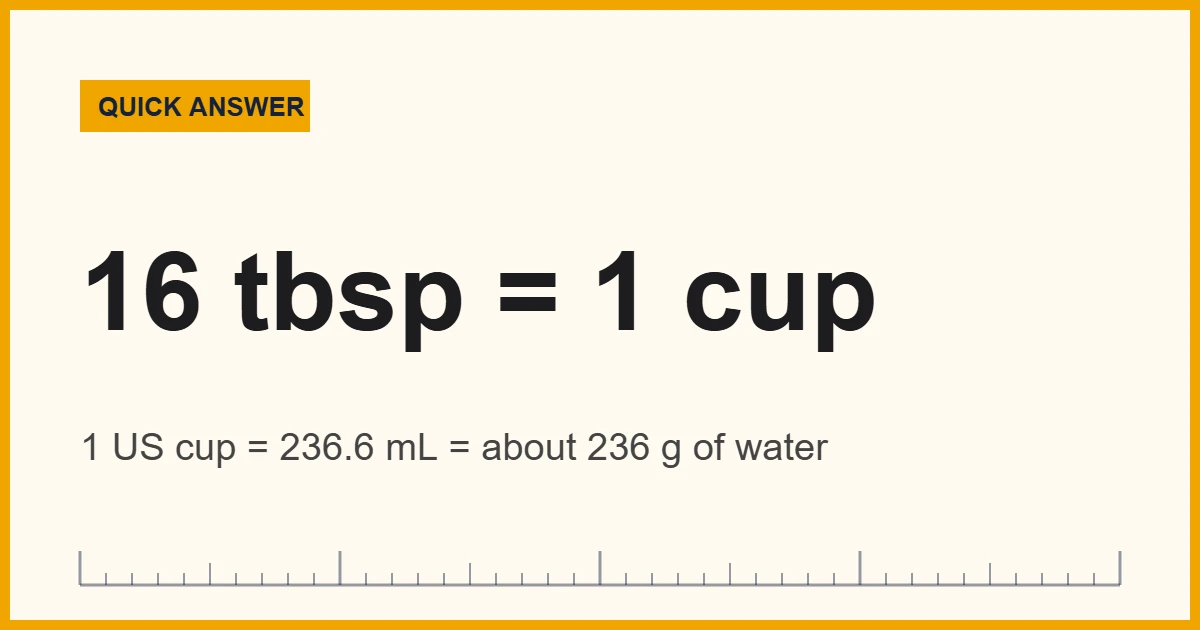
Measure Liquids Without a Measuring Cup: Spoon Converter
First, enter the number of spoonfuls you plan to use, or switch the unit to cups or milliliters. The converter then shows the same amount in every other kitchen unit, so you can count out a recipe with only spoons.
A missing measuring cup does not have to stop a recipe. After all, most kitchens already hold at least one tool that measures volume or weight more precisely than a guess. In fact, measuring spoons and a digital scale are often more accurate than a cheap plastic cup.
The trick is knowing the fixed relationships between units. First, 3 teaspoons make 1 tablespoon. Next, 2 tablespoons make 1 US fluid ounce, and 8 fluid ounces make 1 cup. As a result, any amount of liquid can be built from spoonfuls, and any water-based liquid can be weighed instead.
In short: spoons and scales give you real numbers, while mugs, glasses and your hand only give you estimates.
The US National Institute of Standards and Technology (NIST) lists rounded kitchen equivalents in its metric kitchen measurement table: about 5 mL per teaspoon, 15 mL per tablespoon and 240 mL per cup. The exact US customary cup, by comparison, is 236.5882365 mL.
Below, you will find each method ranked from most to least reliable. Also, there is a step-by-step ruler method for straight-sided jars, plus a warning about medicine.
Recommended Tools for Measuring Without a Measuring Cup
If you often cook without a measuring cup, a few small tools cover almost every situation. First, a set of measuring spoons handles anything up to about half a cup. Second, a digital kitchen scale with a tare button lets you weigh liquids straight into the bowl. Finally, a clear jug with printed lines is worth keeping as a backup, because it measures larger volumes in one pour.


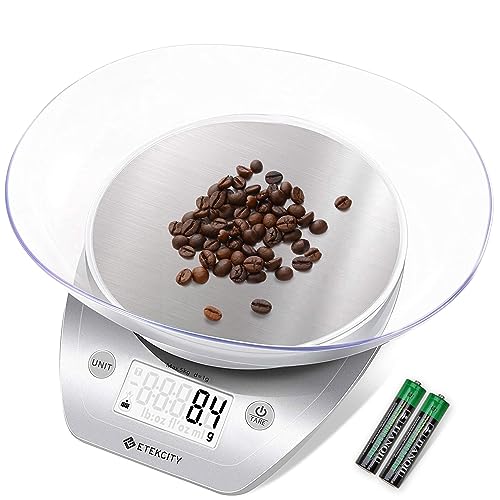
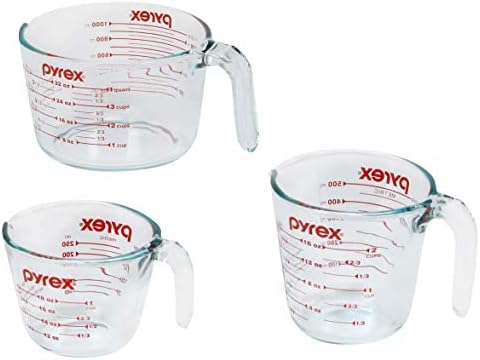

As an Amazon Associate, Measuring Expert earns from qualifying purchases.
Key Takeaways
- 16 US tablespoons equal 1 cup, or about 236.6 mL.
- One cup of water weighs about 236 g (8.3 oz) at room temperature.
- Canning jars are reliable: a half-pint jar holds about 1 cup when filled to the threads.
- Mugs typically hold 8 to 12 fl oz, so a “mugful” can be off by half a cup.
- A ruler and a straight-sided jar can give a surprisingly good volume reading.
- Oil, milk and honey weigh different amounts per cup, so adjust when weighing them.
- Never measure medicine with kitchen spoons; use the oral syringe that comes with it.
Which Household Items Can Replace a Cup?
However, not every substitute is equal. Some items have a fixed, labeled volume, so they are as good as a measuring cup. Others vary from home to home, so they need a quick check first. For this reason, the table ranks the common options.
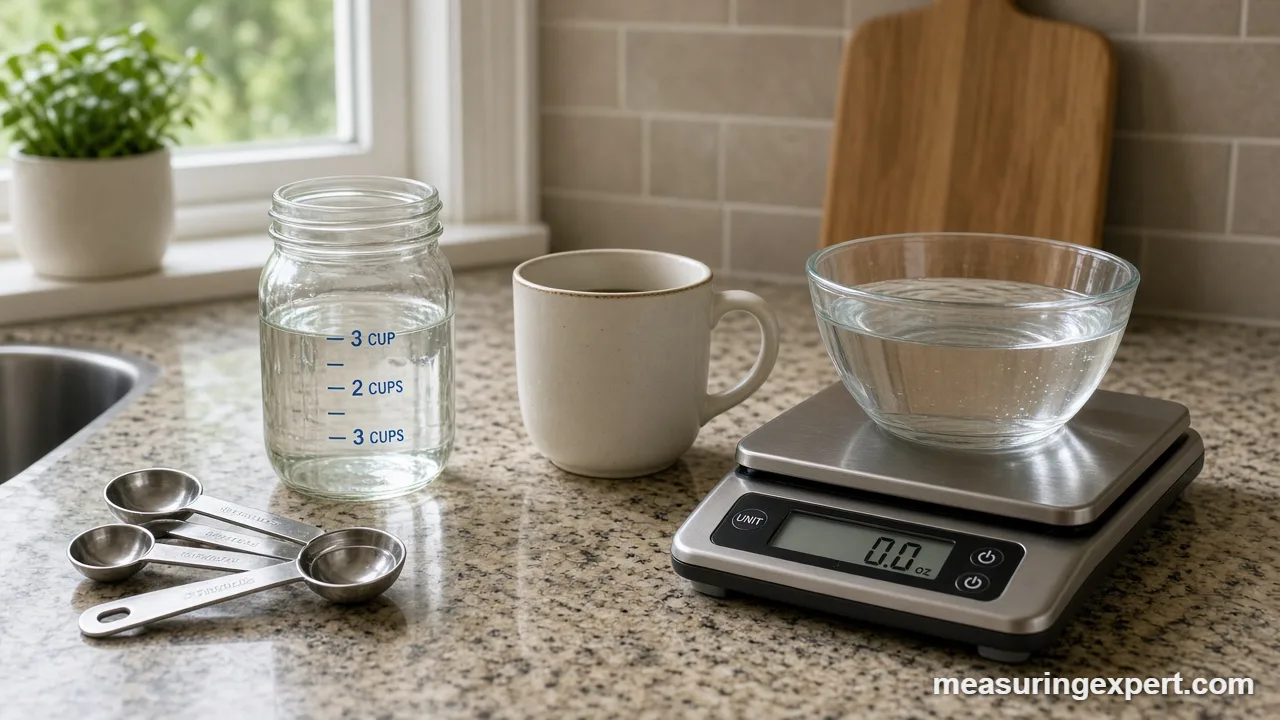
| Item | Typical volume | Reliability |
|---|---|---|
| Measuring spoons | 1 tbsp = 14.79 mL; 1 tsp = 4.93 mL | High (exact by design) |
| Kitchen scale | 1 g of water = about 1 mL | High for water-based liquids |
| Half-pint canning jar | 8 fl oz = 1 cup (236.6 mL) | High when filled to the threads |
| Standard soda can | 12 fl oz = 1 1/2 cups (354.9 mL) | High (labeled) |
| Bottled water | 16.9 fl oz = 500 mL (about 2 cups + 1 tbsp) | High (labeled) |
| Shot glass | Usually 1 1/2 fl oz (44 mL), some hold 1 fl oz or 2 fl oz | Medium; check the glass |
| Coffee mug | 8 to 12 fl oz, sometimes 16 | Low unless you check it first |
| Drinking glass | 8 to 16 fl oz | Low unless you check it first |
| Soup ladle | Often 4 to 8 fl oz | Low; sizes vary widely |
Measuring Spoons: The Most Accurate Swap Without a Measuring Cup
Measuring spoons are the best substitute because their volumes are defined. One US tablespoon is exactly 14.78676478125 mL, and 16 of them make a cup. So, for amounts up to about half a cup, counting spoonfuls is fast and precise.
| Recipe calls for | Tablespoons | Teaspoons | Milliliters |
|---|---|---|---|
| 1/8 cup (1 fl oz) | 2 tbsp | 6 tsp | 29.57 mL |
| 1/4 cup | 4 tbsp | 12 tsp | 59.15 mL |
| 1/3 cup | 5 tbsp + 1 tsp | 16 tsp | 78.86 mL |
| 1/2 cup | 8 tbsp | 24 tsp | 118.29 mL |
| 2/3 cup | 10 tbsp + 2 tsp | 32 tsp | 157.73 mL |
| 3/4 cup | 12 tbsp | 36 tsp | 177.44 mL |
| 1 cup | 16 tbsp | 48 tsp | 236.59 mL |
Above 1/2 cup, however, spoon counting gets tedious and errors creep in. In that case, weighing is usually quicker. For spoon sizes in other countries, see our guide to dry and liquid measurements, which also explains why liquid and dry cups are filled differently.
Weigh Liquids on a Kitchen Scale
A digital scale may be the most accurate way to measure liquid without a measuring cup. Water weighs very close to 1 gram per milliliter, so the scale reading in grams is also the volume in milliliters. For example, 237 g of water is about 1 US cup.
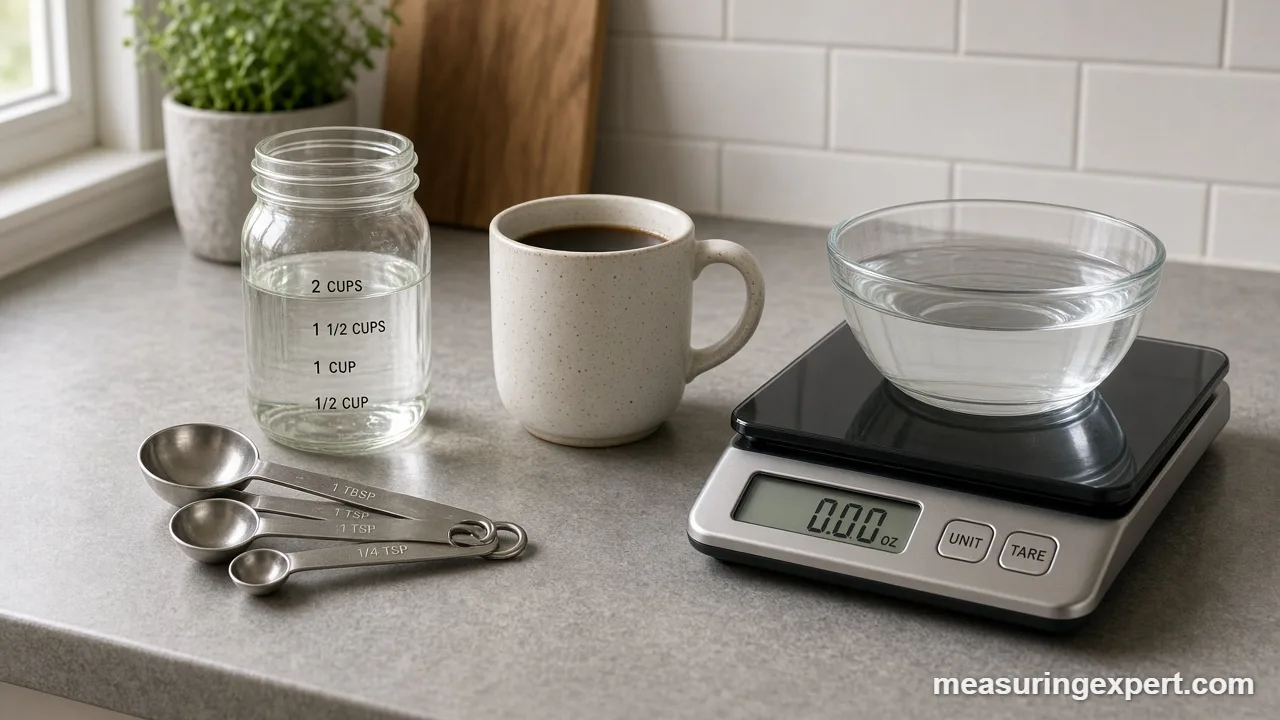
Other liquids, though, are lighter or heavier than water. Oil floats because it is less dense, while honey is much heavier. Therefore, use the right figure from the table below. These values come from typical densities and are approximate, because temperature and brand change them slightly.
| Liquid (1 US cup) | Approximate density | Grams | Ounces (weight) |
|---|---|---|---|
| Water | 1.00 g/mL | 236 g | 8.3 oz |
| Whole milk | 1.03 g/mL | 244 g | 8.6 oz |
| Vegetable oil | 0.92 g/mL | 218 g | 7.7 oz |
| Honey | 1.42 g/mL | 336 g | 11.9 oz |
To weigh a liquid, place the bowl on the scale and press tare. Then pour slowly until the display reaches your target. Because you measure straight into the mixing bowl, you also have one less cup to wash.
Use Labeled Containers and Canning Jars
Packaged drinks list their volume on the label, so an empty bottle or can makes a handy measure. For instance, a standard 12 fl oz soda can holds 1 1/2 cups, and a 500 mL water bottle holds a little over 2 cups.
Canning jars are even better. In the US, a half-pint jar holds 8 fl oz (1 cup), a pint jar holds 2 cups, and a quart jar holds 4 cups. Many jars also have embossed ounce and milliliter lines on the side. Fill to an embossed line when there is one; otherwise, filling to the base of the threads gives roughly the full stated volume.
Similarly, a measuring jug or a clean marked bottle works well for bigger batches. If you have a jug but are unsure how to read it, see how to use a measuring jug for tips on eye level and the meniscus.
How to Measure Liquid Without a Measuring Cup Using a Ruler
If you only have a straight-sided jar and a ruler, geometry can do the work. The volume of a cylinder is pi times the radius squared times the height. So, once you know the jar’s width, you can work out how high to fill it.
- Pick a straight-sided container. A jar, can or glass with vertical walls works; tapered glasses do not.
- Measure the inside diameter. Hold the ruler across the opening and read the inner width in inches or centimeters.
- Find the base area. Halve the diameter to get the radius, square it, then multiply by 3.14.
- Work out the fill height. Divide the volume you need (14.44 cubic inches or 236.6 cubic cm per cup) by the base area.
- Mark the height. Stand the ruler inside or beside the jar and mark the fill line with tape.
- Pour to the line at eye level. Set the jar on a flat counter and check the liquid from the side.
For example, a jar 3 inches wide inside has a base area of about 7.07 square inches. One cup therefore reaches just over 2 inches. In metric, a jar 8 cm wide holds 1 cup at about 4.7 cm.
Small Doses: Oral Syringes and Medicine Cups
For a teaspoon or less, an oral syringe or a medicine cup is easier than any spoon. They are marked in milliliters, so 5 mL is one metric teaspoon and 15 mL is one metric tablespoon. In addition, a syringe lets you add vanilla, extracts or food coloring a few drops at a time.
Draw the liquid in slowly so you do not trap air bubbles. Then read the scale at the flat edge of the plunger tip. Finally, wash kitchen syringes separately from any syringes used for medicine.
Do and Don’t When Measuring Without a Cup
Do
- Count tablespoons out loud for anything under 1/2 cup.
- Tare the scale before every pour.
- Check a mug or glass with water once before you rely on it.
- Read liquids at eye level on a flat surface.
- Write down the size of any container you calibrate.
Don’t
- Assume every mug holds exactly 1 cup.
- Weigh oil or honey as if it were water.
- Use cutlery spoons for baking leaveners or salt.
- Guess with tapered glasses; their volume changes with height.
- Measure medicine with anything from the kitchen drawer.
Honest Limits of Measuring Without a Measuring Cup
Of course, every substitute adds a little error. Spoon counting, for example, can drift if you lose track or overfill. Likewise, a scale is only as accurate as its resolution, and many kitchen models read in 1 g steps. Hand and finger estimates are the weakest of all, because hands differ in size; treat them as a last resort.
Even so, most savory recipes tolerate a 5 to 10 percent error without anyone noticing. Baking is less forgiving, so weigh or use spoons there. In short, the numbers on this page describe the definitions, not what every household container will hold.
When Accuracy Really Matters
Still, three situations call for real measuring tools rather than estimates. First, bread and cakes depend on a set ratio of liquid to flour. Second, brines, cures and pickles need precise salt-to-water ratios for flavor and safety. Third, and most important, liquid medicine must be dosed exactly.
For medicine, the FDA and the American Academy of Pediatrics discourage kitchen spoons, according to the Institute for Safe Medication Practices consumer site. Instead, use the oral syringe or dosing cup packed with the medicine, and ask a pharmacist for one if it is missing.
Without a Measuring Cup: Frequently Asked Questions
How do I measure 1 cup of liquid without a measuring cup?
Use 16 level tablespoons, weigh about 236 g of water on a kitchen scale, or fill a half-pint canning jar to the threads. Each gives about 1 US cup.
How many tablespoons are in a cup?
There are 16 tablespoons in 1 US cup, which equals 48 teaspoons or about 236.6 mL.
How do I measure 1/2 cup without a measuring cup?
Measure 8 level tablespoons, or weigh about 118 g of water. For milk, aim for about 122 g.
Is a coffee mug 1 cup?
Usually not. Most mugs hold 8 to 12 fl oz, and some hold 16. Instead, check yours by pouring in 16 tablespoons of water and marking the level.
How much does 1 cup of water weigh?
One US cup of water weighs about 236 g, or about 8.3 oz. Nutrition labels round a cup to 240 mL, which is about 240 g of water.
Can I measure oil without a measuring cup?
Yes. Count tablespoons, or weigh about 218 g of vegetable oil per cup. Oil is lighter than water, so do not use the water figure.
How do I measure milk without a measuring cup?
Use 16 tablespoons per cup, or weigh about 244 g of whole milk per cup on a scale.
How many mL are in a shot glass?
A common US shot glass holds 1 1/2 fl oz, or about 44 mL. Some glasses hold 1 or 2 fl oz, so check the glass first.
Can I measure medicine without a measuring cup?
Do not use kitchen spoons. Use the oral syringe or dosing cup that comes with the medicine, or ask a pharmacist for one.
What is the best tool to own if I have no measuring cup?
A digital kitchen scale with a tare button is the most versatile. It measures liquids and dry ingredients and works for any batch size.
The Bottom Line
You can measure liquid accurately with tools you already own. To recap, 16 tablespoons make a cup, 1 g of water is about 1 mL, and a half-pint canning jar holds about 1 cup. On the other hand, mugs, glasses and hand estimates are fine for soups and stews, but check their size before you trust them.
Next time, start with the converter at the top of this page to turn any cup amount into spoonfuls. And for medicine, always use the dosing device in milliliters.
1 thought on “How to Measure Liquid Ingredients Without a Measuring Cup: 6 Reliable Ways”