

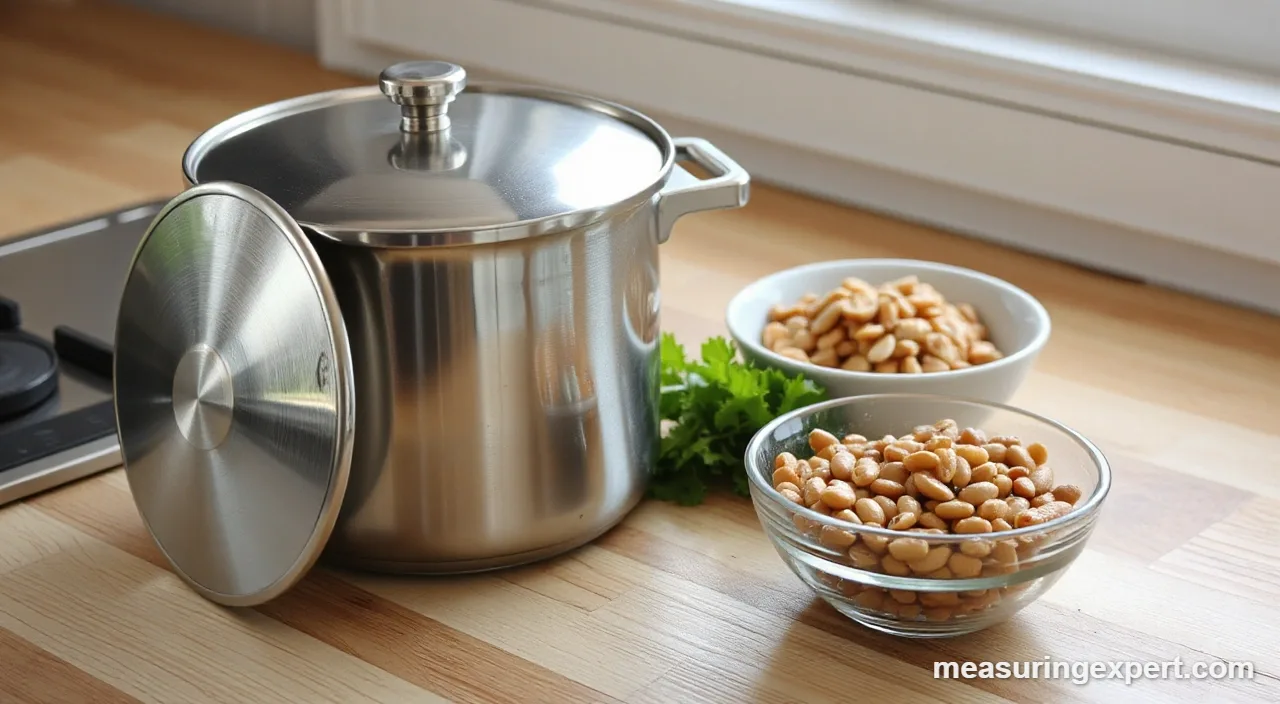
Is a 6 quart pressure cooker too big for two people, or too small for a family of five? That one question sends more shoppers back to the store than any other, because the quart number on the box is not the volume you can actually cook with.
For most households, a 6 quart pressure cooker is the best size. It fits dinner for four to six people, or a couple that likes leftovers, and it leaves roughly 4 quarts of working space after the two-thirds fill rule. Choose 3 quarts for one to three people, 8 quarts for large families and meal prep, and 10 quarts if you cook for crowds or freeze big batches. Always count the fill limit, one-half for beans, rice and other foods that swell, before you decide, because that limit shrinks the pot by a third to a half.
In short: pick the size by your usual number of servings, then check that the dish you cook most often fits under the fill line.
Manufacturer guidance backs this up. Instant Pot sizing advice describes the 3 quart as a one-to-four person pot, the 6 quart as comfortable for four to six people, and the 10 quart for eight to ten, with minimum liquid rising with the size. Oregon State University Extension, in its guide Safely Canning Foods: Pressure Canners, Pressure Cookers and Electric Pressure Cookers, adds that cookers typically hold about 4 to 8 quarts, and that they are for cooking, not for processing jars.


Buying from this list? Get it fast, and catch Black Friday deals, with Prime
Pressure Cooker Capacity Calculator: Quarts, Liters and Cups
Enter the size printed on the pot, choose quarts, and read the same capacity in liters, cups, gallons and fluid ounces. Then apply the fill rules in the table below the calculator to find the real working volume.
The sections below show what each size really holds, how stovetop and electric cookers differ, how to match a pot to your recipes, and the limits of any size chart. The calculator converts quarts to liters and cups so you can compare listings from any store.
Formula: liters = quarts x 0.946352946, and cups = quarts x 4. The maximum fill is the total size multiplied by two-thirds, or by one-half for foods that swell.
Recommended Kitchen Tools for Pressure Cooking
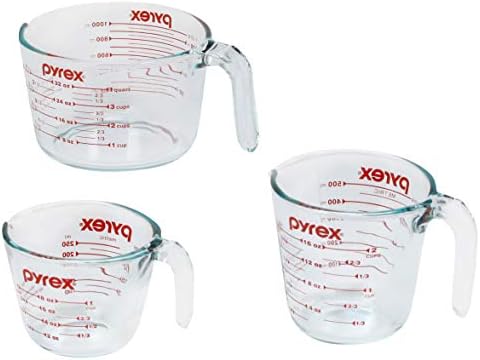
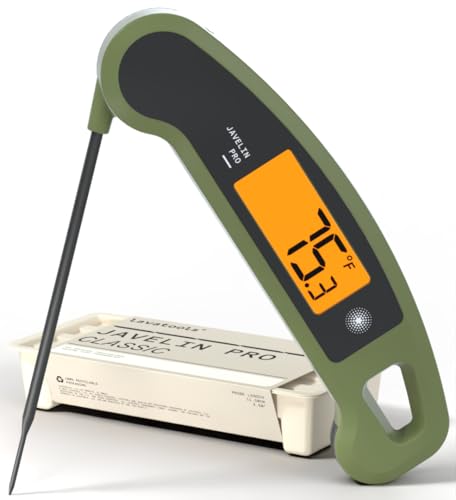
A cooker only works as well as the amounts you put in it. These helpers, chosen from manufacturer specs and buyer reports, cover the jobs people trip over most: weighing beans and rice before they swell, measuring liquid so you hit the minimum, timing short cook times to the minute, and checking that a roast reached a safe temperature after release.
As an Amazon Associate, Measuring Expert earns from qualifying purchases.
- 6 quarts suits most households of four to six people.
- 3 quarts is right for one to three people or as a side-dish pot.
- Fill to two-thirds, or one-half for beans, rice, grains and foaming foods.
- Working volume is far smaller than the number on the box.
- Larger pots need more minimum liquid, often 2 cups at 8 and 10 quarts.
- Stovetop and electric models use the same size rules but different pressures.
- Pressure cookers are not pressure canners and should not be used for jars.
Pressure Cooker Size by Household
Start with people, not pot specs. The table pairs each common size with the group it comfortably feeds and the volume you can really use. Instant Pot and similar brands publish similar ranges, and cookware makers tend to agree within a person or two.
| Cooker size | Usual household | Max volume at 2/3 fill | Typical use |
|---|---|---|---|
| 3 qt | 1 to 3 people | 2 qt (1.9 L) | Side dishes, grains, small stews, single portions |
| 4 to 5 qt | 2 to 3 people | About 3 qt (2.8 L) | Weeknight dinners for a couple, stock in small batches |
| 6 qt | 4 to 6 people, or 1 to 2 with leftovers | 4 qt (3.8 L) | Chili, roasts, whole small chicken, family soups |
| 8 qt | Large families, meal prep | 5.3 qt (5.0 L) | Double batches, big roasts, bone broth |
| 10 qt and up | 8 to 10 people or batch cooking | 6.7 qt (6.3 L) | Parties, freezer cooking, large cuts |
If you cook for yourself and one other person, there is a quiet trap: a 3 quart pot feels perfect until you want a roast or a big batch of stock, and then it is too small. For that reason many couples choose a 6 quart model and simply cook smaller portions in it.
Quart Size vs Usable Volume
The labeled size is the volume of the empty inner pot to the brim. Steam, foam and expanding food need headroom, so manuals set fill lines well below the rim. This is the number to use when you check a recipe against a pot.
| Food type | Fill limit (typical manual) | 6 qt pot example |
|---|---|---|
| Soups, stews, sauces, meats | Two-thirds of the pot | 4 qt (3.8 L) |
| Beans, rice, grains, pasta | One-half of the pot | 3 qt (2.8 L) |
| Foods that foam, such as split peas or applesauce | One-half, and release the pressure slowly | 3 qt (2.8 L) |
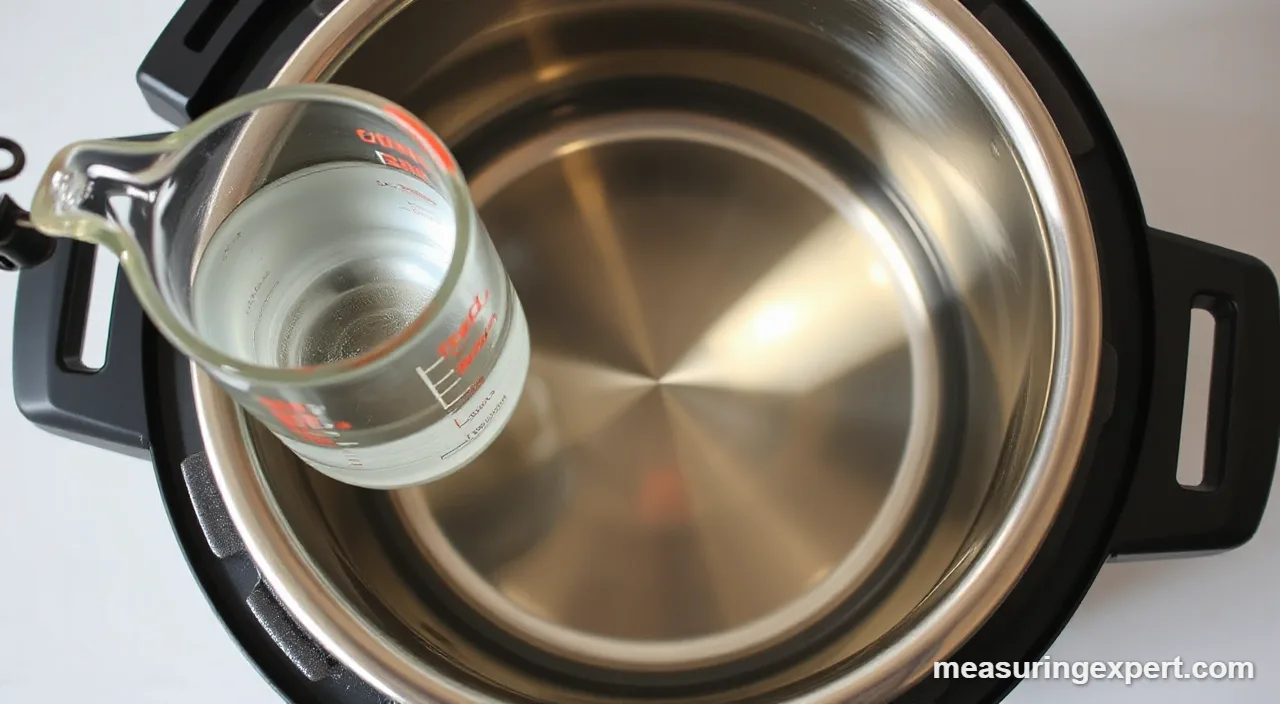
| Minimum liquid (6 qt electric) | About 1 cup | 240 mL |
A handy rule: multiply the quart size by 4 to get cups of total capacity, then by two-thirds or one-half. A 6 qt pot is 24 cups, so two-thirds is 16 cups and one-half is 12 cups. For the unit itself, our article on the US quart and its relatives gives the exact conversions.
Stovetop vs Electric: Same Quarts, Different Rules
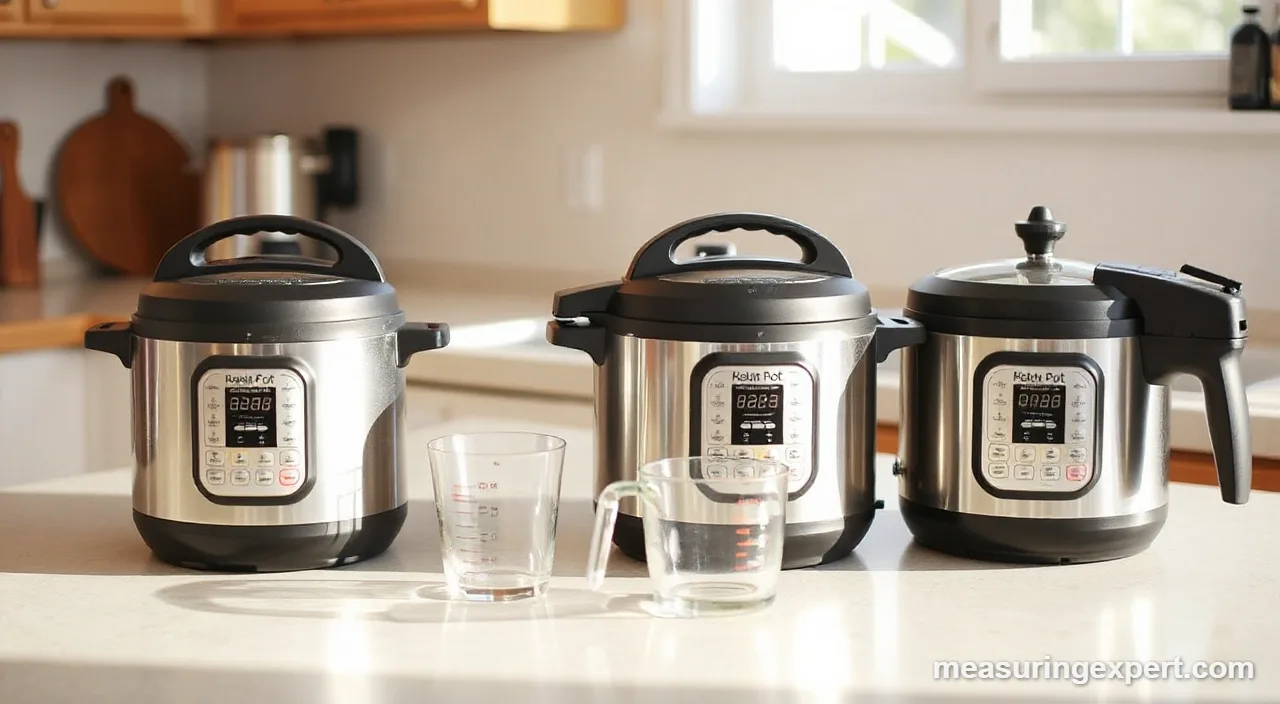
Two pots labeled 6 quarts can behave quite differently, which is why people confuse them. A stovetop cooker is a sealed pan that you heat on a burner and usually reaches a higher pressure. An electric multi-cooker has a heating element and sensors, runs at a lower pressure and cooks for a little longer.
| Point | Stovetop pressure cooker | Electric multi-cooker |
|---|---|---|
| Typical working pressure | Often up to about 15 psi (103 kPa) | Often about 10 to 12 psi (70 to 80 kPa) |
| Pot sizes | About 4 to 10 qt | About 3 to 10 qt, with 6 qt the most common |
| Heat control | You adjust the burner | Built-in, automatic |
| Cooking time | Usually a little shorter at the higher pressure | Often slightly longer for the same recipe |
| Space needed | Stove burner plus a spot for the lid | Counter and outlet, plus a few inches of clearance |
Pressure values vary by brand and mode, so read the specification sheet for your exact model. The point for sizing is simple: choose the style first, then use the size rules above. For other kinds of cooker, such as slow cookers, see our guide to soup and stew measurements for batch volumes.
Match the Size to What You Cook
Think about your three most frequent meals and size for the largest. A dinner for four of chili and rice is a different job from stock for the freezer or a 4 lb roast.
- Soups and stews: allow roughly 1.5 cups per serving, so six servings need about 9 cups of food, easy in a 6 qt pot at two-thirds fill.
- Dry beans: they roughly double in volume, so a 6 qt pot should hold no more than about 3 qt of beans plus water, which means 1 to 1.5 lb of dry beans in most recipes.
- Whole poultry and roasts: measure the item, not the weight, and leave room for the rack and liquid.
- Rice and grains: keep the pot at or below half, and use the ratio in your manual.
- Stock: bones and water add up fast, so respect the line even when the bones seem to fit.
How to Choose Your Size, Step by Step
- Count the mouths. Count the people you cook for on a normal weeknight, then add one extra portion if you like leftovers for lunch.
- Find your largest regular dish. Think of the biggest thing you cook, such as a whole chicken, a pot roast or a double batch of chili, and measure it.
- Apply the fill limit. Divide the dish volume by two-thirds, or by one-half if it is beans, rice or other foods that swell, to get the minimum pot size.
- Check the minimum liquid. Look up the minimum liquid in your manual. Larger pots need more, so a big cooker is wasteful for tiny meals.
- Measure your storage. Check the cabinet height and the stove burner width, because electric pots are tall with the lid on and need clearance above them.
- Pick the next size up if you are torn. You can cook a small meal in a big pot, but you cannot cook a big meal in a small one.
Once you have a number, verify the temperature of cooked meat rather than trusting time alone. Our guide to using a cooking thermometer for safe temperatures shows the targets by food.
Do and Don’t
Do
- Measure your biggest regular dish before buying.
- Respect the two-thirds and one-half fill lines.
- Use at least the minimum liquid for your size.
- Keep the vent and gasket clean.
- Read the model manual, not just a general chart.
Don’t
- Assume the quart number equals cooking space.
- Fill to the brim with beans or rice.
- Use a cooker for canning jars.
- Buy a huge pot for a single serving.
- Force the lid open while pressure remains.
Honest Limits of Size Advice
Size charts are averages. Appetites differ, a teen athlete eats more than the “serving” in a chart, and a leftovers-for-the-week plan changes the math. Chart ranges also overlap, so a 6 qt pot can feed three people one night and six the next.
Brands round numbers too. A “6 quart” model can hold a little more or less than 6 US quarts, and some countries label pots in liters. The inner pot shape matters as much as the volume: a wide, shallow pot is better for browning and a tall pot for stock.
Finally, pressure and cook times vary by model. Use the size guidance here to choose a pot, then follow your own manual and recipes for settings.
When to Call a Professional
A pressure cooker is a sealed vessel under pressure, so do not repair a damaged lid, valve or heating element yourself. Contact the manufacturer for a replacement gasket, a recall check or service, and stop using any cooker that leaks steam from the wrong place, will not seal or has a bent rim. For food safety questions about preserving food, ask your county extension office.
Frequently Asked Questions
Is a 6 quart pressure cooker big enough for a family of four?
Yes for most meals. A 6 qt pot has about 4 qt of working space at two-thirds fill, enough for chili, roast with vegetables or soup for four to six people. Move to 8 qt if you want leftovers every night.
What does 6 qt mean on a pressure cooker?
It is the total capacity, about 5.7 liters. You can only fill it to two-thirds, or to one-half for foods that expand, so the usable volume is 3 to 4 quarts.
Can a 3 quart pressure cooker feed two people?
Easily. Two-thirds of 3 qt is 2 qt, about 8 cups, which holds a dinner for two plus a small leftover portion. It is also useful as a second pot for sides.
Is it better to buy a bigger pressure cooker than I need?
A little bigger is fine, since you can always cook less. Too large wastes counter space and needs more minimum liquid, so most people do well with one size above their usual batch.
How full can I fill a pressure cooker?
Follow the markings in your manual. Most call for no more than two-thirds full, and one-half for beans, rice, grains and foods that foam, so steam has room to build and the vent stays clear.
Does the size change the cooking time?
Not for the food itself. Time depends on the food and its thickness, but a larger pot can take longer to reach pressure, especially when it is nearly full of cold ingredients.
What size pressure cooker holds a whole chicken?
A 6 qt model typically fits a small whole chicken of around 3 to 4 lb, and an 8 qt model fits a larger bird. Measure your chicken and the inner pot before you buy, because shapes vary.
Can I use any pressure cooker for canning jars?
No. Extension services say pressure cookers and saucepans heat and cool too quickly to process jars safely. Use a proper pressure canner that holds at least four quart jars for that job.
How much liquid does a pressure cooker need?
At least the minimum in your manual. For a 6 qt Instant Pot-style model that is about 1 cup, with about half a cup for a 3 qt and 2 cups for 8 qt and 10 qt models.
Should I get a stovetop or an electric pressure cooker?
Pick electric if you want hands-off control and a set-and-walk-away pot, and stovetop if you want higher pressure, faster cooking and a pot that fits on a burner. The size rules are the same for both.
Bottom Line
Pick a pressure cooker by what you cook and for how many, then subtract the fill line. A 6 quart pot is the safe default; 3 quarts is a good side-kick, and 8 to 10 quarts is for crowds and big freezer batches.
When two sizes tempt you, go up one, because a roomy pot is more forgiving than a cramped one. Keep it away from the canning shelf, though: jars need a real pressure canner, and the pot you use for chili is not it.
Listen to a free audiobook while you cook, work or wait
1 thought on “What Size Pressure Cooker Do I Need?”