

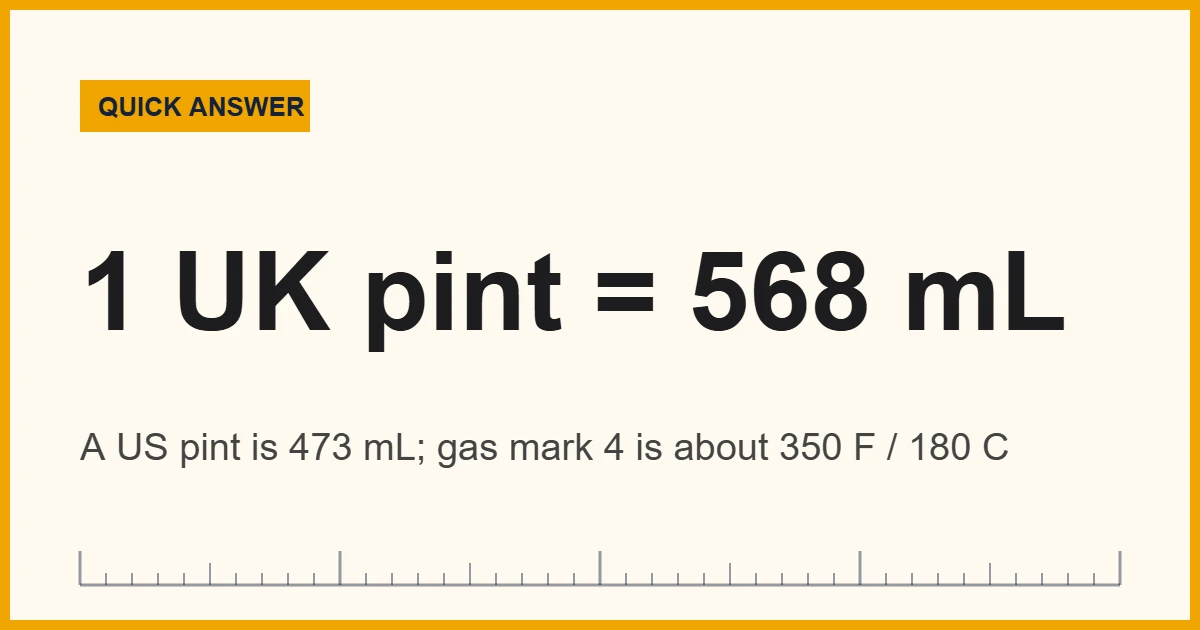
UK cooking measurements differ from US ones in three main places. A UK pint holds 20 UK fluid ounces (about 568 mL), while a US pint holds 16 US fluid ounces (about 473 mL). In addition, UK recipes use 250 mL metric cups and grams, and older ones give oven heat as gas marks.
If you have ever baked a Victoria sponge from a British cookbook in an American kitchen, you know the feeling. For example, the recipe asks for “half a pint of milk”, “175 g caster sugar” and “gas mark 4”, and suddenly none of your tools match. Worse, some words look familiar but mean something slightly different, so the mistakes are quiet ones.
The good news is that only a handful of UK cooking measurements actually differ from US ones. For one thing, ounces and pounds of weight are identical on both sides of the Atlantic, and a modern UK teaspoon or tablespoon is effectively the same as a US one. Instead, the real traps are the pint, the fluid ounce, the cup and the oven dial.
In short: liquid measures need converting, weights in ounces do not, and temperatures need a chart. So once you know which is which, converting a British recipe takes a minute.
Also, these numbers are not guesses. Specifically, UK law (the Weights and Measures Act 1985, Schedule 1) defines the imperial pint as exactly 0.56826125 liters and the fluid ounce as 1/20 of that pint. Meanwhile, the US National Institute of Standards and Technology lists the US kitchen equivalents in its metric kitchen measurement table, such as 240 mL for a cup and 480 mL for a pint, rounded for cooking.
Convert UK Cooking Measurements to US Units
First, enter an amount and choose the unit from your recipe. The converter then shows UK pints, US pints, cups, both kinds of fluid ounce and milliliters side by side, using the exact legal definitions.
US vs UK Volume Chart: Pints, Fluid Ounces and Cups
To start, here is the side-by-side view most cooks need. All metric values come from the exact definitions and are rounded to two decimals.
| Unit | US size | UK (imperial) size | Difference |
|---|---|---|---|
| Fluid ounce | 29.57 mL | 28.41 mL | US is about 4% bigger |
| Cup | 236.59 mL (240 mL on labels) | 250 mL metric cup | UK cup is about 6% bigger |
| Pint | 473.18 mL (16 US fl oz) | 568.26 mL (20 UK fl oz) | UK is about 20% bigger |
| Quart | 946.35 mL | 1,136.52 mL | UK is about 20% bigger |
| Gallon | 3.785 L | 4.546 L | UK is about 20% bigger |
| Teaspoon | 4.93 mL | 5 mL | Too small to matter |
| Tablespoon | 14.79 mL | 15 mL | Too small to matter |
Printable tip: copy the pint and cup rows onto a card and tape it inside a cupboard door. In addition, for a deeper look at the pint alone, including the US dry pint, see our guide to how many mL are in a pint.
Recommended Tools for UK Cooking Measurements
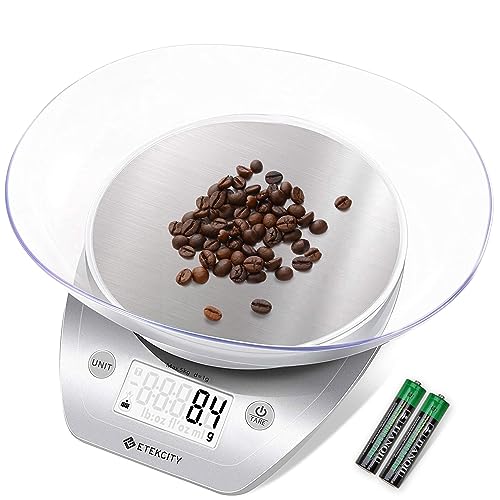
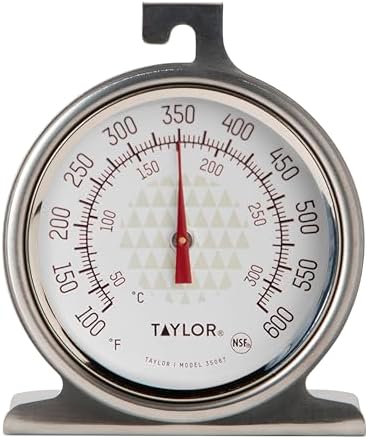
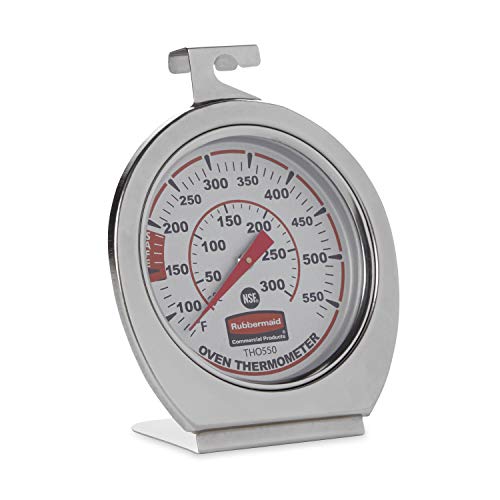
In practice, the easiest way to cook from both systems is to stop converting volumes at all. First, a digital scale that switches between grams and ounces handles almost every British baking recipe directly. Next, an oven thermometer tells you what your dial really means in both Fahrenheit and Celsius. Finally, a cup and spoon set with metric markings covers the rest.



As an Amazon Associate, Measuring Expert earns from qualifying purchases.
Key Takeaways
- A UK pint is 20 UK fl oz (568 mL); a US pint is 16 US fl oz (473 mL).
- One US fluid ounce is slightly larger than one UK fluid ounce.
- Similarly, ounces and pounds of weight are exactly the same in both countries.
- Modern British recipes use a 250 mL metric cup, not the 236.6 mL US cup.
- Gas mark 4 is about 350 F or 180 C.
- British “fan” temperatures are usually about 20 C lower than conventional ones.
- In the end, weighing ingredients avoids nearly every conversion error.
Why the Pint and Fluid Ounce Differ
UK cooking measurements and US ones come from the same English system, but the two split before standardization. At the time, the United States kept an older wine gallon of 231 cubic inches. Britain, by contrast, adopted a new imperial gallon in 1824, which is about 20% larger. As a result, every unit built on the gallon, including the quart and the pint, is bigger in the UK.
The fluid ounce, however, goes the other way. Because the US pint is split into 16 fluid ounces and the UK pint into 20, each UK fluid ounce ends up a little smaller. So a US fluid ounce is about 29.57 mL, while a UK fluid ounce is about 28.41 mL. In practice, that 4% gap rarely matters for one ounce. However, it adds up when a recipe calls for a pint or more.
The difference between fluid ounces and weight ounces also trips people up. For a full explanation, read our article on dry and liquid measurements.
Cups and Spoons in UK Cooking Measurements
In fact, most current British recipes avoid cups entirely and list grams and milliliters instead. When a UK recipe does use a cup, it usually means a 250 mL metric cup. In other words, that is about 6% more than the US cup of 236.59 mL. For most savory cooking, therefore, you can treat the two as equal. For baking, however, weigh instead.
Older British cookbooks, on the other hand, are a different story. For example, some use a “breakfast cup” of half an imperial pint, about 284 mL. In fact, that size is the source of the “UK cup is 284 mL” figure you may see online. It is not a modern standard, so check the book’s own conversion page first.
| Spoon or cup | US | Modern UK | Older UK references |
|---|---|---|---|
| Teaspoon | 4.93 mL | 5 mL | varies |
| Dessertspoon | not used | 10 mL | varies |
| Tablespoon | 14.79 mL | 15 mL | about 17.76 mL |
| Cup | 236.59 mL | 250 mL | about 284 mL (breakfast cup) |
Weight: Ounces, Pounds and Grams
Here, the good news is simple. Specifically, an ounce of weight is exactly 28.349523125 g in both countries, and a pound is exactly 453.59237 g. Consequently, an older British recipe that says “8 oz butter” means the same 226.8 g that an American cook would weigh out.
In newer UK cooking measurements, though, grams appear almost everywhere. After all, typical amounts such as 100 g, 175 g or 225 g are easy on a digital scale and awkward in cups. For instance, 225 g is very close to 8 oz, which is why many recipes treat them as equal. For the full ounce story, including troy and fluid ounces, see how much is an ounce.
| Weight | Grams (exact) | Common recipe rounding |
|---|---|---|
| 1 oz | 28.35 g | 25 g or 30 g |
| 4 oz | 113.40 g | 110 g to 115 g |
| 8 oz | 226.80 g | 225 g |
| 1 lb (16 oz) | 453.59 g | 450 g |
Finally, one more word: the stone (14 lb) appears in British body-weight talk, not in recipes, so you can ignore it in the kitchen.
Gas Marks and Oven Temperatures in UK Cooking Measurements
Older British recipes, and many still written today, give oven heat as a gas mark. In essence, gas marks are a scale printed on gas oven dials. Moreover, from gas mark 1 upward, each step adds about 25 F (roughly 14 C). Electric ovens in the UK use Celsius, so modern recipes usually print both.
| Gas mark | Fahrenheit | Celsius (exact) | Celsius (as printed) |
|---|---|---|---|
| 1/4 | 225 F | 107.2 | 110 |
| 1/2 | 250 F | 121.1 | 120 to 130 |
| 1 | 275 F | 135.0 | 140 |
| 2 | 300 F | 148.9 | 150 |
| 3 | 325 F | 162.8 | 160 to 170 |
| 4 | 350 F | 176.7 | 180 |
| 5 | 375 F | 190.6 | 190 |
| 6 | 400 F | 204.4 | 200 |
| 7 | 425 F | 218.3 | 220 |
| 8 | 450 F | 232.2 | 230 |
| 9 | 475 F | 246.1 | 240 |
Alternatively, to convert any Fahrenheit value yourself, subtract 32 and multiply by 5/9. For example, (350 – 32) x 5/9 = 176.7 C, which recipes round to 180 C.
How to Convert a British Recipe Step by Step
- Check the age of the recipe. Modern British recipes use grams, milliliters and Celsius, while older ones use imperial pints, ounces and gas marks.
- Weigh every dry ingredient. Set your scale to grams, or to ounces for older recipes, and skip cup conversions completely.
- Convert liquids by milliliters. Treat 1 UK pint as 568 mL and 1/2 pint as 284 mL, then measure with a jug marked in mL.
- Translate the oven setting. Use the gas mark chart above, and if the recipe gives a fan figure, use the conventional figure for a standard oven.
- Swap ingredient names. Caster sugar is superfine sugar, icing sugar is powdered sugar, and plain flour is all-purpose flour.
- Note your changes on the recipe. Write the US amounts in the margin, so next time you can cook without converting again.
Do and Don’t When Mixing US and UK Recipes
Do
- Weigh flour, sugar and butter whenever grams are given.
- Read “pint” in a British recipe as 568 mL.
- Check the oven temperature with a thermometer.
- Look for the conversion page in older cookbooks.
- Keep a jug marked in milliliters for liquids.
Don’t
- Pour one US cup for “half a pint”.
- Assume a cup in a British book is 236.6 mL.
- Use a fan temperature in a conventional oven.
- Convert ounces of butter to grams with a volume chart.
- Round 350 F down to 170 C for delicate cakes.
Honest Limits of UK Cooking Measurements Conversions
Every conversion of UK cooking measurements on this page is exact on paper. Real kitchens, however, add their own errors. For instance, measuring cups and jugs carry printing tolerances, and two ovens set to 180 C can differ by 10 degrees or more. Similarly, a cup of flour can weigh quite different amounts depending on whether you scoop it or spoon it in. Therefore, converting a British gram amount into cups is the least reliable step of all.
Recipes also round. For example, a writer who converts 8 oz into 225 g, or 350 F into 180 C, is choosing a tidy number, not an exact one. Admittedly, for most dishes this does not matter. Even so, if a converted bake fails, go back to the original units before blaming the recipe. In addition, our companion piece on US vs UK measurement units in general covers road, body and beer measures outside the kitchen.
When Exact Conversions Really Matter
Of course, most stews and soups tolerate a 5% difference without any trouble. A few situations, though, deserve more care:
- Bread and cakes. Liquid-to-flour ratios control texture, so the 20% pint gap can turn a soft dough into a sticky one.
- Sugar work and candy. Here, temperatures must be exact, so use a thermometer rather than a gas mark.
- Preserving and canning. Follow a tested recipe written for your own units, because acidity and processing times depend on accurate amounts.
- Medicine. Never dose liquid medicine with kitchen spoons from either country; use the dosing syringe or cup in mL.
UK Cooking Measurements: Frequently Asked Questions
Is a UK cup the same as a US cup?
Not quite. A modern UK recipe cup is usually a 250 mL metric cup, while a US cup is 236.59 mL. The gap is about 6%, so weigh ingredients for baking.
Is a UK tablespoon the same as a US tablespoon?
Almost. A modern UK tablespoon is 15 mL and a US tablespoon is 14.79 mL, which makes no practical difference. However, some older British references use a larger spoon of about 17.76 mL.
How many mL are in a UK pint compared with a US pint?
A UK pint is 568.26 mL and a US liquid pint is 473.18 mL. In other words, the UK pint is about 20% larger.
Why is a US fluid ounce bigger when a US pint is smaller?
The US pint holds 16 US fluid ounces, while the UK pint holds 20 UK fluid ounces. As a result, each US fluid ounce is about 29.57 mL and each UK fluid ounce about 28.41 mL.
What is gas mark 4 in Fahrenheit and Celsius?
Gas mark 4 is about 350 F, which is 176.7 C. In practice, recipes round it to 180 C, or about 160 C in a fan oven.
Are ounces and pounds the same in UK cooking measurements?
Yes. A weight ounce is 28.35 g and a pound is 453.59 g in both countries. In contrast, only the fluid ounce differs.
What is a dessertspoon in UK cooking measurements?
A dessertspoon is 10 mL, between a teaspoon and a tablespoon. So use 2 level US teaspoons in its place.
Do UK cooking measurements use cups at all?
Rarely. Instead, most British recipes list grams for dry ingredients and milliliters for liquids. When cups do appear, they usually mean 250 mL.
How many US cups are in a UK pint?
A UK pint is about 2.4 US cups, so half a UK pint is about 1 1/5 cups. Even so, measuring 568 mL or 284 mL in a jug is easier.
Should I convert a British recipe by weight or by volume?
By weight whenever the recipe gives grams or ounces. After all, a kitchen scale removes the cup problem entirely, and you only need volume conversions for liquids.
UK Cooking Measurements: The Bottom Line
To sum up, weight ounces and spoons barely change between the US and the UK. Instead, the pint, the fluid ounce, the cup and the oven dial are what catch people out. So remember that a UK pint is 568 mL, a modern UK cup is 250 mL, and gas mark 4 is about 350 F or 180 C.
Above all, a digital scale and a jug marked in milliliters make the whole problem disappear. Then, when you need a quick volume number, the converter near the top of this page does the arithmetic for you.
2 thoughts on “US vs UK Cooking Measurements: Cups, Pints, Fluid Ounces and Gas Marks Explained”