

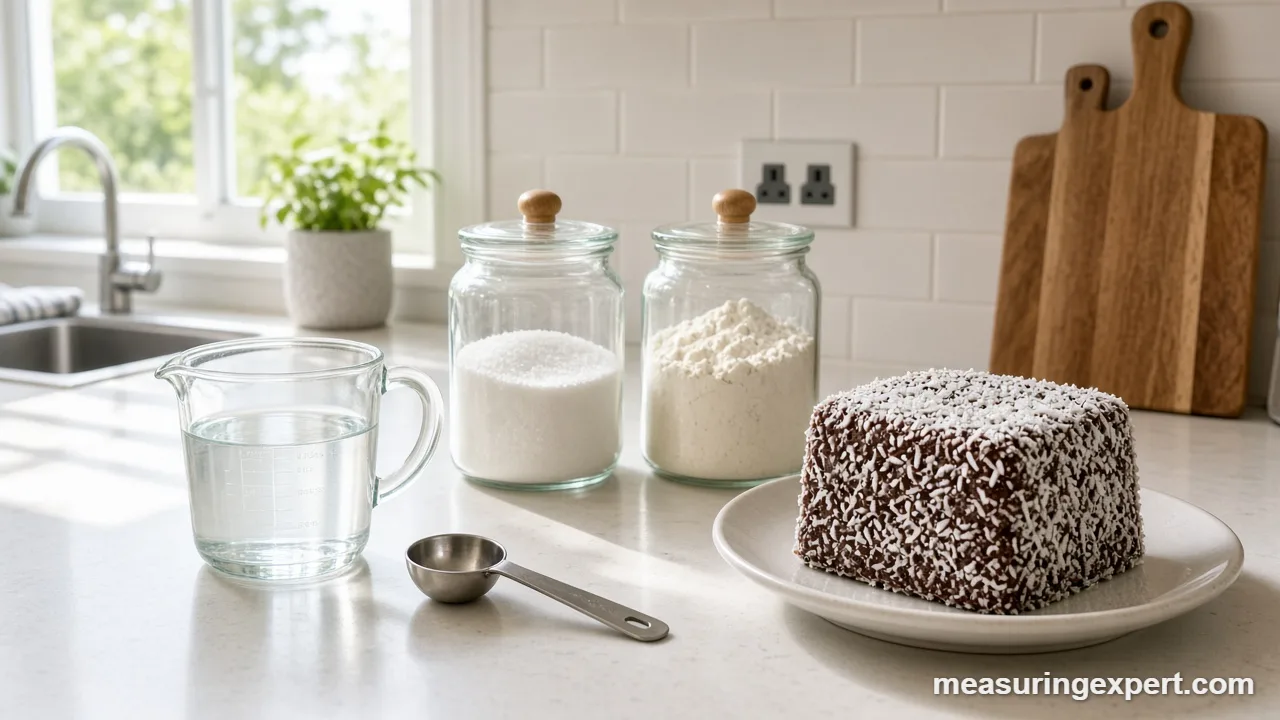
Australian recipes use a 250 mL metric cup, a 20 mL tablespoon (4 teaspoons), grams for dry ingredients and Celsius ovens. To cook them in the US, therefore, use about 1 cup plus 1 tablespoon for each Australian cup, 1 tablespoon plus 1 teaspoon for each Australian tablespoon, a kitchen scale for grams, and convert the oven setting to Fahrenheit.
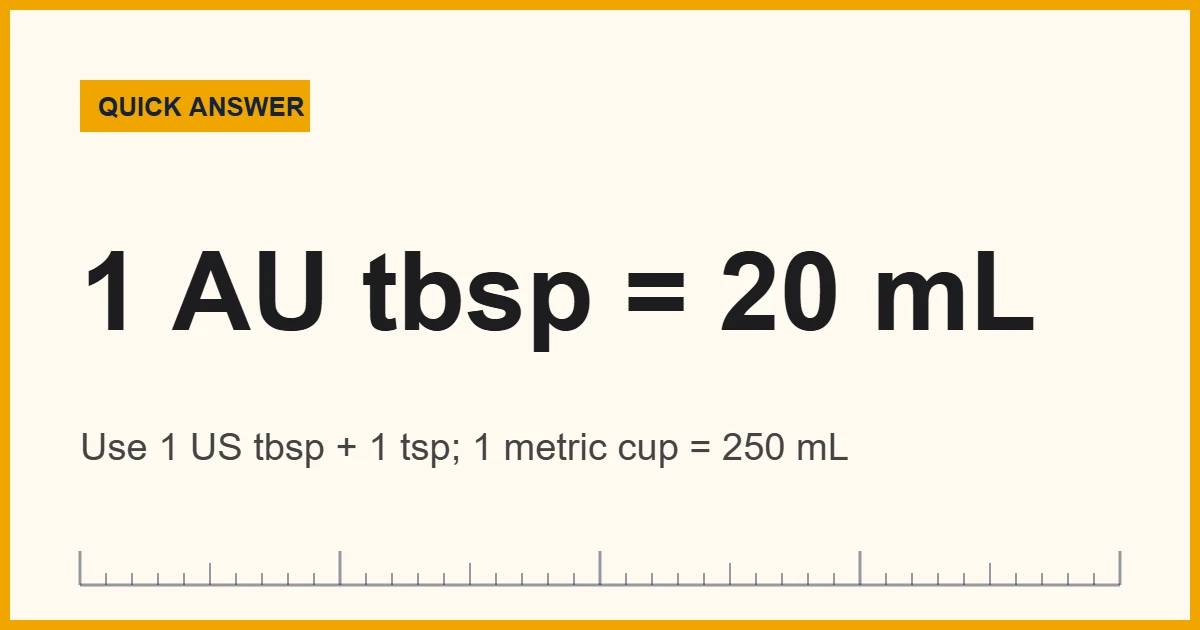
Convert Australian Spoons and Cups to US Measures
First, enter the amount from your recipe and choose the Australian unit. The converter then shows US cups, tablespoons, teaspoons, fluid ounces and milliliters, using the exact US definitions.
Australia went metric in the 1970s, so its cookbooks look familiar but measure differently. For instance, the cup is a round 250 mL, the tablespoon is 20 mL, and butter, flour and sugar usually appear in grams. US recipes, by contrast, use a 236.59 mL cup, a 14.79 mL tablespoon and Fahrenheit ovens.
Overall, most of these gaps are small. However, one of them is not: the Australian tablespoon holds about 35 percent more than a US tablespoon. For example, if you measure the baking powder or salt in Australian recipes with American spoons, you add roughly a quarter less than the author intended.
In fact, the standard sizes come from public sources. For example, the Australian Dietary Guidelines, summarized by Nutrition Australia’s standard serves page, describe a cup of milk as 250 mL. Meanwhile, the US National Institute of Standards and Technology lists the American kitchen equivalents in its metric kitchen table.
Australian Recipes vs US Recipes: The Units Side by Side
First of all, look at this table. Moreover, it separates the four units that cause almost every conversion mistake, and it also shows where the UK fits in.
| Unit | Australia | US customary | UK and most metric countries |
|---|---|---|---|
| Teaspoon | 5 mL | 4.93 mL | 5 mL |
| Tablespoon | 20 mL (4 tsp) | 14.79 mL (3 tsp) | 15 mL (3 tsp) |
| Cup | 250 mL | 236.59 mL | 250 mL (where cups are used) |
| Oven temperature | Celsius, often fan-forced | Fahrenheit | Celsius or gas mark |
In short, the teaspoon barely changes, the cup changes a little, and the tablespoon changes a lot. Meanwhile, US nutrition labels round these to 5 mL, 15 mL and 240 mL. Also, for the UK side of things, including pints and gas marks, see our guide to US vs UK cooking measurements.
Australian Recipes in Cups: Conversion Chart
A metric cup is 250 mL, so it holds about 1.057 US cups. As a result, one Australian cup equals one US cup plus about 1 tablespoon. For most savory dishes, then, you can simply use US cups. For cakes and breads, however, use the chart or, better, a scale.
| Australian (metric) cup | Milliliters | Practical US measure |
|---|---|---|
| 1/4 cup | 62.5 mL | 1/4 cup + 1/4 tbsp |
| 1/3 cup | 83.3 mL | 1/3 cup + 1 tsp |
| 1/2 cup | 125 mL | 1/2 cup + 1/2 tbsp |
| 2/3 cup | 166.7 mL | 2/3 cup + 2 tsp |
| 3/4 cup | 187.5 mL | 3/4 cup + 2 tsp |
| 1 cup | 250 mL | 1 cup + 1 tbsp |
| 2 cups | 500 mL | 2 cups + 2 tbsp |
Printable note: for convenience, save or print this chart and tape it inside a cupboard door. Also, if your liquid measuring cup has a milliliter scale, skip the math and pour to the mL line instead.
The 20 mL Tablespoon in Australian Recipes
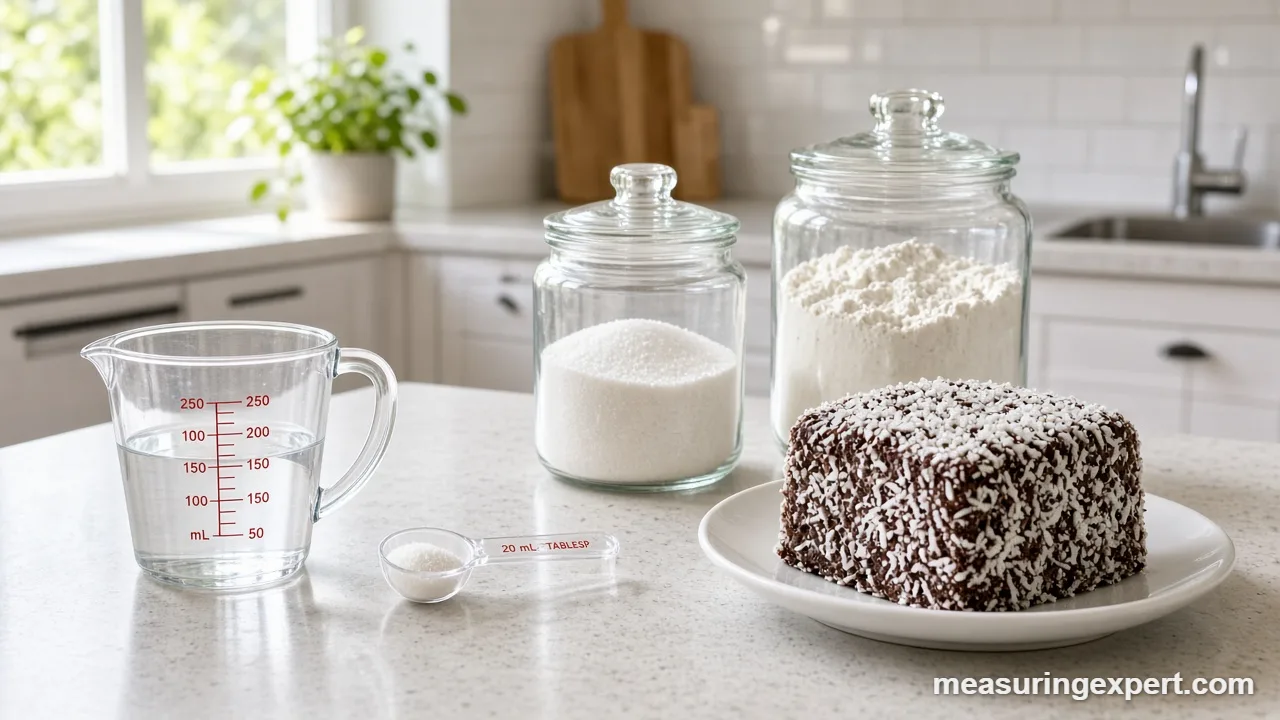
Above all, this is the conversion that matters most. Specifically, an Australian tablespoon is 20 mL, which equals 4 teaspoons. A US tablespoon, on the other hand, holds 3 teaspoons, or 14.79 mL. So each Australian tablespoon equals about 1.35 US tablespoons.
| Australian tablespoons | Milliliters | Practical US measure |
|---|---|---|
| 1/2 tbsp | 10 mL | 2 tsp |
| 1 tbsp | 20 mL | 1 tbsp + 1 tsp |
| 2 tbsp | 40 mL | 2 tbsp + 2 tsp |
| 3 tbsp | 60 mL | 1/4 cup |
| 4 tbsp | 80 mL | 1/3 cup |
Teaspoons, by comparison, are simpler. Australian and US teaspoons are both about 5 mL, so you can use them one for one.
Recommended Tools for Converting Australian Recipes
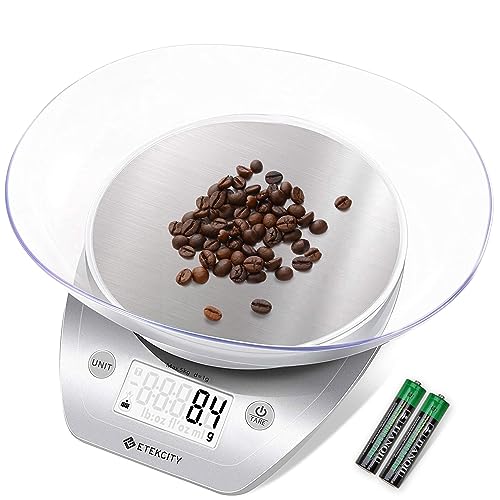
Overall, two tools remove nearly all the guesswork. First, a digital scale lets you follow gram amounts exactly. Next, a liquid measuring cup with a milliliter scale handles the 250 mL cup directly. In addition, a set of measuring spoons and an oven thermometer cover the rest.


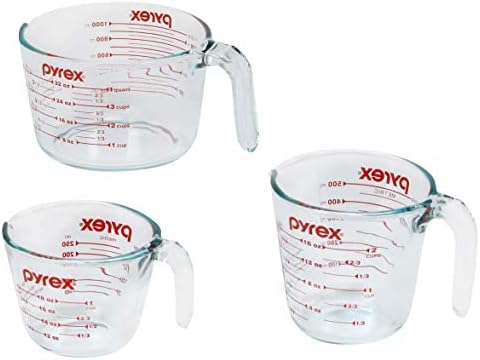
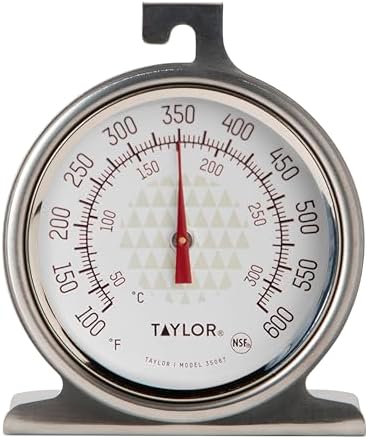
As an Amazon Associate, Measuring Expert earns from qualifying purchases.
Grams in Australian Recipes: Weigh, Do Not Guess
Australian bakers weigh most dry ingredients, so recipes often list “200 g plain flour” or “125 g butter”. Therefore, the easiest fix is to weigh them too. After all, a kitchen scale costs less than a failed cake, and you avoid the error of turning grams into cups.
| Grams | Ounces (weight) | Common use |
|---|---|---|
| 100 g | 3.53 oz | Chocolate block |
| 125 g | 4.41 oz | Half a block of butter |
| 200 g | 7.05 oz | Flour or sugar |
| 250 g | 8.82 oz | Australian butter block |
| 500 g | 17.64 oz | Pasta or mince |
| 1 kg | 35.27 oz | Roasts, flour bags |
Butter, in particular, is a common sticking point. Australian butter comes in 250 g blocks, while a US stick weighs 4 oz, or 113.4 g. Consequently, a 250 g block equals about 2 1/4 sticks, and 125 g equals about 1 stick plus 1 tablespoon. Also, ounces here mean weight ounces (28.35 g), not fluid ounces. Similarly, 500 g is about 1.1 lb, and 1 kg is about 2.2 lb.
Oven Temperatures in Australian Recipes
Likewise, Australian ovens run in Celsius, and many recipes give a fan-forced setting as well as a conventional one. To convert, first multiply the Celsius figure by 9, divide by 5, then add 32. For example, 180 C x 9 / 5 + 32 = 356 F, which most US cooks round to 350 F.
| Celsius | Fahrenheit (usual US setting) |
|---|---|
| 150 C | 302 F (300 F) |
| 160 C | 320 F (325 F) |
| 180 C | 356 F (350 F) |
| 190 C | 374 F (375 F) |
| 200 C | 392 F (400 F) |
| 220 C | 428 F (425 F) |
| 230 C | 446 F (450 F) |
In other words, fan-forced means convection. Therefore, if the recipe gives only a fan-forced temperature and your oven has no fan, a common rule of thumb is to add about 20 C (roughly 35 F) and check for doneness early. Similarly, if it gives only a conventional temperature and you use convection, lower the dial by the same amount. In addition, our Fahrenheit to Celsius baking chart covers every common oven setting.
Australian Recipes and Their Ingredient Names
Even so, with the numbers right, the shopping list can still trip you up. Australian recipes use British-style names for many staples, so here is what to buy in a US store.
| Australian name | What to buy in the US |
|---|---|
| Caster sugar | Superfine sugar (or briefly blend granulated sugar) |
| Icing sugar mixture | Powdered (confectioners’) sugar; both contain a little starch |
| Plain flour | All-purpose flour |
| Self-raising flour | Self-rising flour (contains salt) or 1 cup flour plus 2 tsp baking powder |
| Cornflour | Cornstarch, not cornmeal |
| Bicarbonate of soda (bicarb) | Baking soda |
| Thickened cream | Heavy cream (the Australian version contains a little gelatin or gum) |
| Golden syrup | Imported golden syrup, or milder light corn syrup |
| Desiccated coconut | Unsweetened finely shredded coconut |
| Mince, capsicum, coriander, rocket, spring onion | Ground meat, bell pepper, cilantro, arugula, green onion |
Eggs also differ slightly. Many Australian cookbooks assume an egg of about 59 g, whereas US large eggs must weigh at least 24 oz per dozen under USDA grades, or about 57 g each. In practice, that gap only matters in recipes with many eggs.
How to Convert Australian Recipes Step by Step
- Check where the recipe comes from. In particular, look for “metric cup”, “20 mL tablespoon”, Celsius or fan-forced to confirm it is Australian.
- Weigh anything listed in grams. Then put the bowl on a scale, tare it, and add each ingredient to the gram amount.
- Turn each Australian tablespoon into 1 tbsp plus 1 tsp. For larger amounts, also use the converter above.
- Add about 1 tablespoon per cup. Alternatively, pour liquids to the mL line, since 1 metric cup is 250 mL.
- Translate ingredient names. Then swap caster sugar, plain flour, cornflour and the rest using the table above.
- Convert the oven setting. Next, use the Celsius chart, and adjust for fan-forced versus conventional baking.
- Write the US amounts on the recipe. Next time, you can cook straight from your own notes.
Do and Don’t With Australian Recipes
Do
- Weigh flour, sugar and butter in grams.
- Also add an extra teaspoon to every tablespoon.
- Similarly, read whether the oven temperature is fan-forced.
- Then check your spoon size before baking.
- Finally, keep the original ratios when you scale a recipe.
Don’t
- Treat a 20 mL tablespoon as a US tablespoon.
- Convert grams of flour to cups unless you must, because scoops vary.
- Confuse weight ounces with fluid ounces, because they measure different things.
- Use US self-rising flour without cutting the salt, since it already contains some.
- Assume icing sugar and granulated sugar swap evenly, because their textures differ.
Honest Limits of Converting Australian Recipes
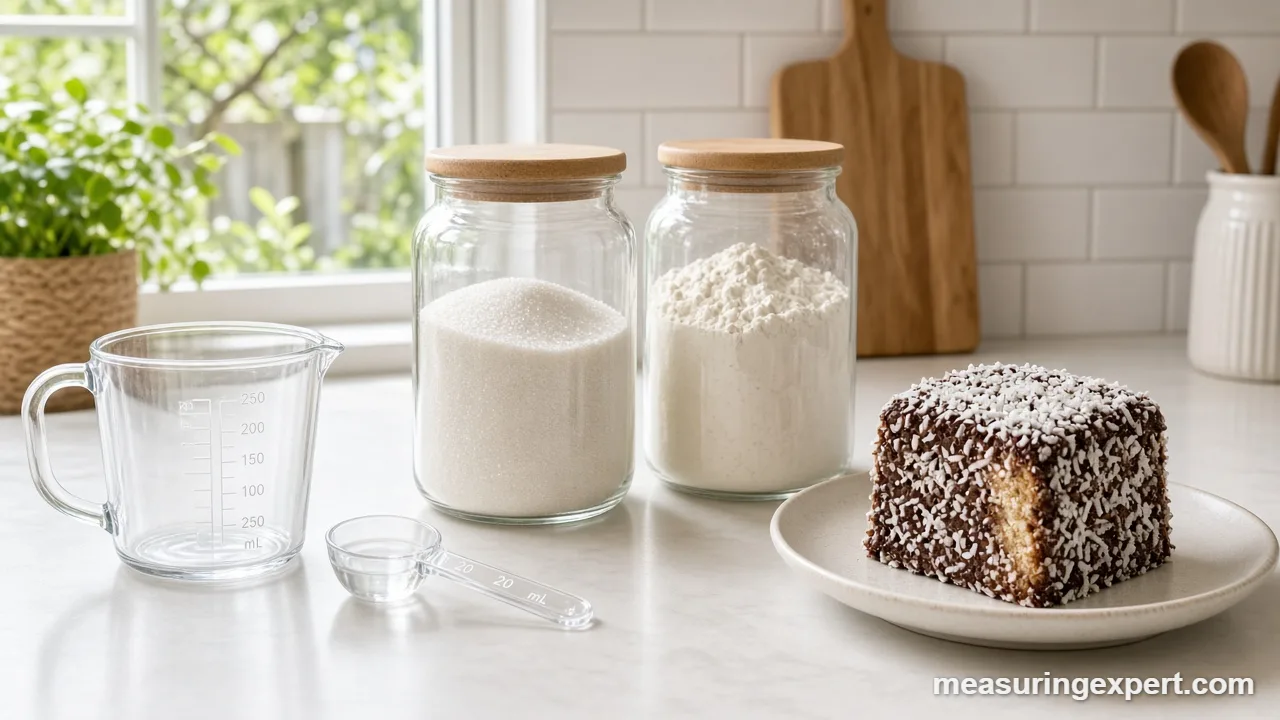
Of course, no conversion is perfect. For one thing, the gram-to-cup step depends on density: a cup of flour weighs very different amounts depending on how you scoop it, so any chart is an average. Moreover, measuring spoons and cups have small manufacturing tolerances. Therefore, the milliliter figures on this page describe the definitions, not what every spoon in your drawer holds. Finally, ingredients themselves differ between countries, from flour protein to cream fat, so a converted recipe can behave a little differently. In short, weigh what you can, convert the rest, and expect to tweak a recipe once.
When Accuracy Really Matters
For soups, stews and salads, of course, rounding is harmless. Still, a few situations need care:
- Leaveners and salt. Baking powder, bicarb and salt in Australian tablespoons need the full extra teaspoon, because a shortfall changes rise and taste.
- Yeast breads and pastry. Weigh flour and liquid, since small errors change dough texture.
- Sugar work and candy. Temperatures matter to the degree, so use a thermometer instead of a rounded oven chart.
- Medicine. Never use kitchen spoons, Australian or American, for medicine. Instead, use the dosing device that comes with it.
Frequently Asked Questions
Are Australian recipes and US recipes measured the same way?
No. Australian recipes use a 250 mL cup, a 20 mL tablespoon, grams and Celsius. In contrast, US recipes use a 236.59 mL cup, a 14.79 mL tablespoon, ounces and Fahrenheit.
How many mL is 1 tablespoon in Australia?
An Australian tablespoon is 20 mL, or 4 teaspoons. A US tablespoon is about 14.79 mL, so use 1 US tablespoon plus 1 teaspoon.
What is 1 US cup in Australian cups?
One US cup is 236.59 mL, which is about 0.95 of a 250 mL Australian cup.
How do I convert an Australian cup to US cups?
Simply multiply by 1.057. In practice, then, use 1 US cup plus 1 tablespoon for every Australian cup, or pour to the 250 mL line.
Do Australian recipes use the same teaspoon as US recipes?
Yes, close enough, because both teaspoons are about 5 mL. As a result, you can swap them one for one.
What is caster sugar in the US?
Caster sugar is superfine sugar. You can also pulse granulated sugar in a blender for a few seconds.
What is plain flour in Australian recipes?
Plain flour is all-purpose flour. Self-raising flour is similar to US self-rising flour, but the US version usually contains salt.
Is 180 C the same as 350 F?
Almost. 180 C is exactly 356 F, and most US recipes round it to 350 F. In practice, that small gap rarely changes the result.
What does fan-forced mean in Australian recipes?
Fan-forced means a convection oven. Without a fan, therefore, cooks commonly raise the temperature by about 20 C (roughly 35 F) and check for doneness early.
How much is 125 g of butter in sticks?
125 g of butter is about 4.4 oz, or 1 US stick plus about 1 tablespoon.
Bottom Line on Australian Recipes
To sum up, Australian recipes differ from US ones in four places: the 250 mL cup, the 20 mL tablespoon, grams and Celsius ovens. In practice, add a teaspoon to every tablespoon, add about a tablespoon to every cup, weigh the grams, and convert the oven setting. Then translate the ingredient names, and the recipe will work in an American kitchen.