

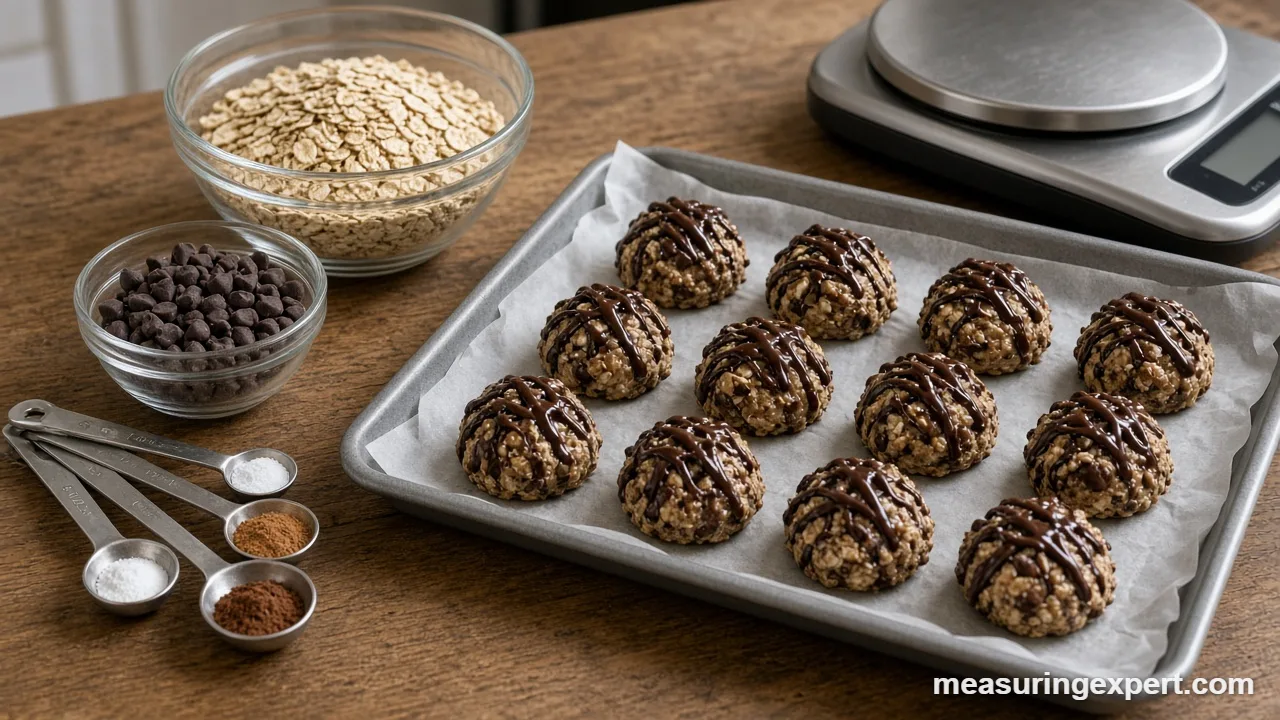
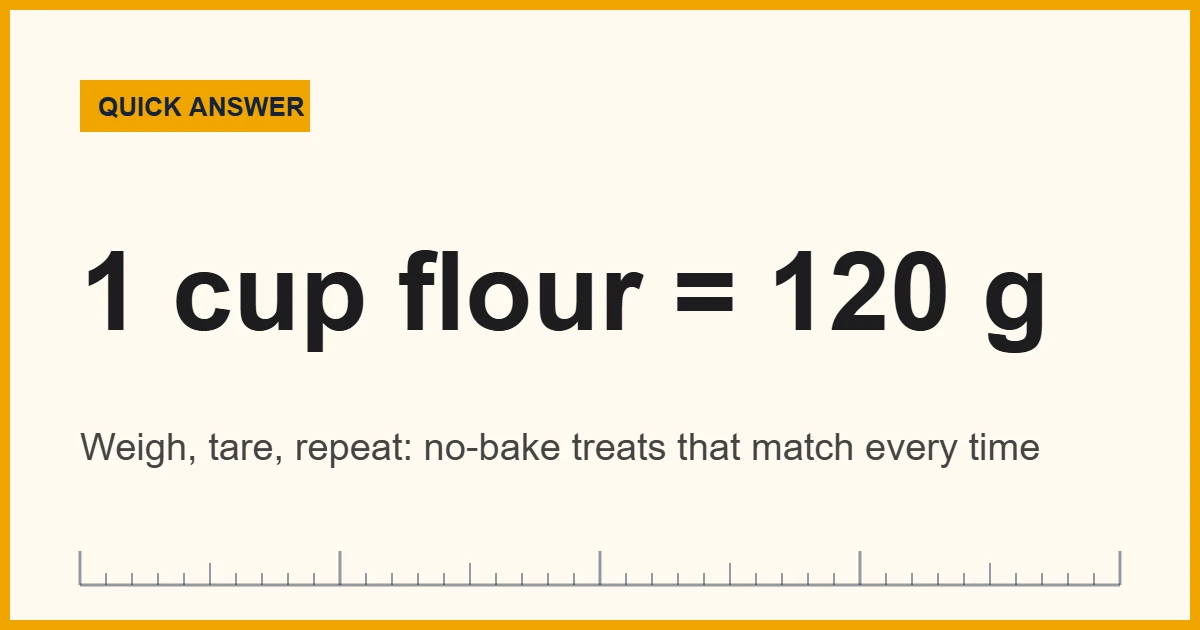
To measure ingredients for fun desserts, weigh them on a kitchen scale instead of scooping cups. One cup of all-purpose flour weighs about 120 g (4 1/4 oz), and one cup of granulated sugar weighs about 198 g (7 oz). Weighing keeps kid-friendly no-bake treats the same every time.
Convert Ounces and Grams for Fun Desserts
Package labels use ounces, while many recipes use grams. Enter an amount below to switch between them, so you can follow either style when you make fun desserts.
Cooking with kids is mostly about easy wins. A bowl of melted marshmallow, a tray of cookie crumbs and a few rolled balls of oats all count as fun desserts, and none of them needs an oven. However, the same recipe can come out gooey one day and rock hard the next. The reason is usually the measuring, not the cooking.
Cups hold a volume, and the weight of that volume changes with how you fill the cup. In contrast, grams never change. Therefore, a scale is the simplest way to make fun desserts that taste the same each time. Overall, this guide gives you weights and ratios for five simple treats, a scaling chart for crowds, and a short safety section for young helpers.
For bigger events, see our guides to birthday party treat measurements and to measuring ingredients for a buffet.
Ingredient Weights for Fun Desserts Per Cup
The King Arthur Baking Company publishes an ingredient weight chart that bakers use as a reference. Also, the table below draws on it. Because brands and packing differ, treat each value as a good starting point rather than a law.
| Ingredient (1 cup) | Grams | Ounces |
|---|---|---|
| All-purpose flour | 120 g | 4 1/4 oz |
| Granulated sugar | 198 g | 7 oz |
| Brown sugar, packed | 213 g | 7 1/2 oz |
| Confectioners’ sugar | 113 g | 4 oz |
| Heavy cream | 227 g | 8 oz |
| Milk | 227 g | 8 oz |
| Rolled oats | 113 g | 4 oz |
| Graham cracker crumbs | 100 g | 3 1/2 oz |
| Cookie crumbs | 85 g | 3 oz |
| Mini chocolate chips | 177 g | 6 1/4 oz |
| Mini marshmallows | 43 g | 1 1/2 oz |
Smaller amounts follow the same chart. For example, 8 tablespoons (1/2 cup) of butter weigh 113 g, one tablespoon of honey weighs 21 g, and 1/2 cup of peanut butter weighs 135 g. If you want to know how an ounce of weight differs from a fluid ounce, read how much an ounce is.
Recommended Tools for Fun Desserts
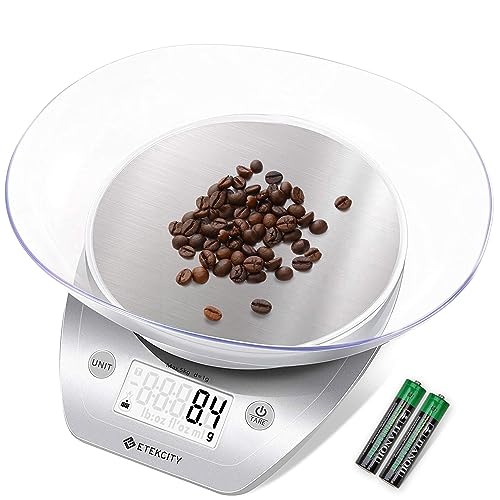
In fact, you need very little gear. First, a digital scale with a tare button lets you add each ingredient to one bowl and reset to zero in between. Next, a set of measuring cups and spoons covers small amounts such as vanilla or salt. Finally, a flat leveler helps when a recipe only gives cups.

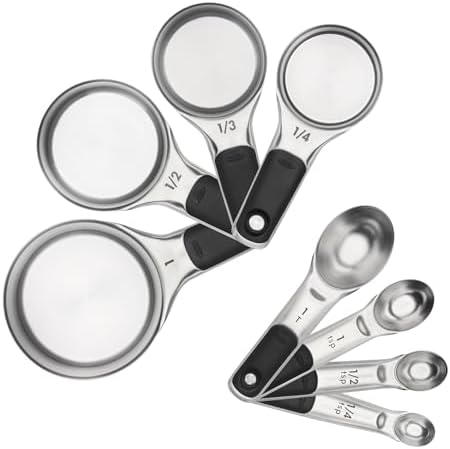


As an Amazon Associate, Measuring Expert earns from qualifying purchases.
Ratios for Five Easy Fun Desserts
These are common starting ratios for simple treats, converted to weights with the chart above. Each one skips the oven, so an adult only needs to handle melting or chopping. Finally, adjust to taste after your first batch.
| Treat | Weights | Makes |
|---|---|---|
| Crisped rice cereal bars | 42 g butter (3 tbsp), 283 g marshmallows (10 oz), 6 cups cereal | 12 servings |
| Graham cracker crust | 150 g crumbs (1 1/2 cups), 85 g butter (6 tbsp), 50 g sugar (1/4 cup) | one 9-inch pie plate |
| Chocolate truffles | 200 g chocolate, 100 g heavy cream (about 7 tbsp) | about 20 truffles |
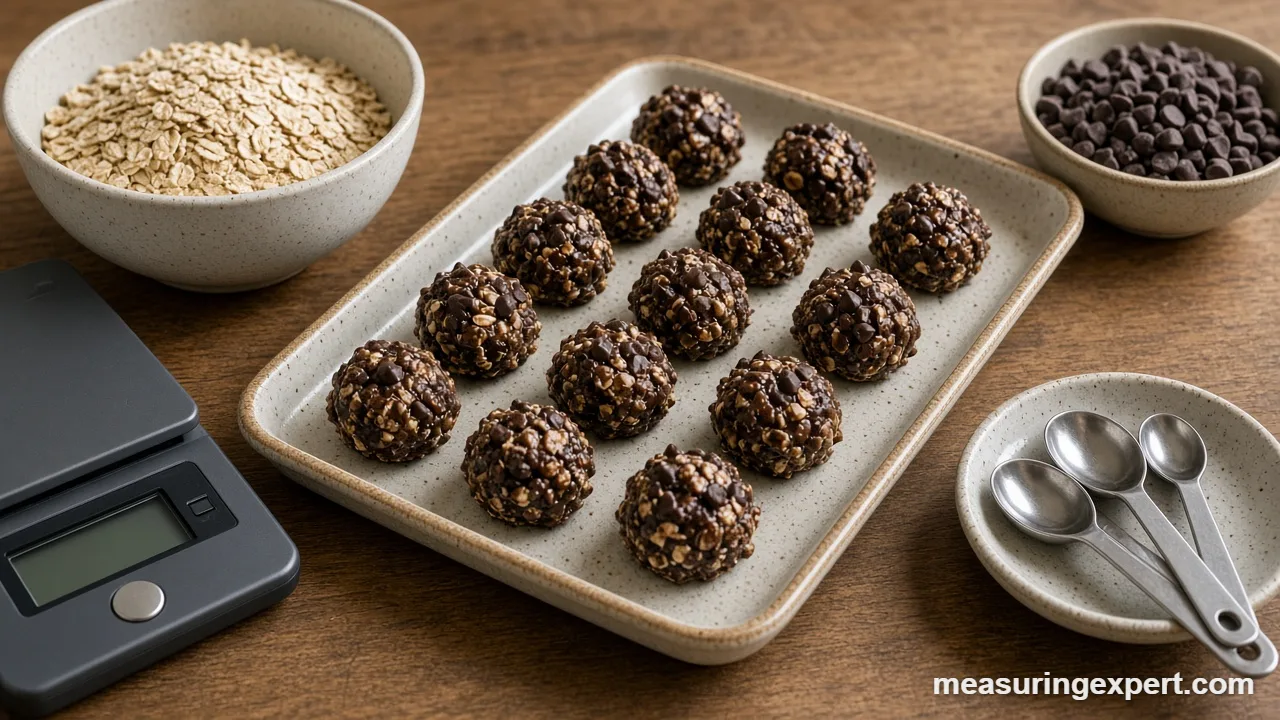
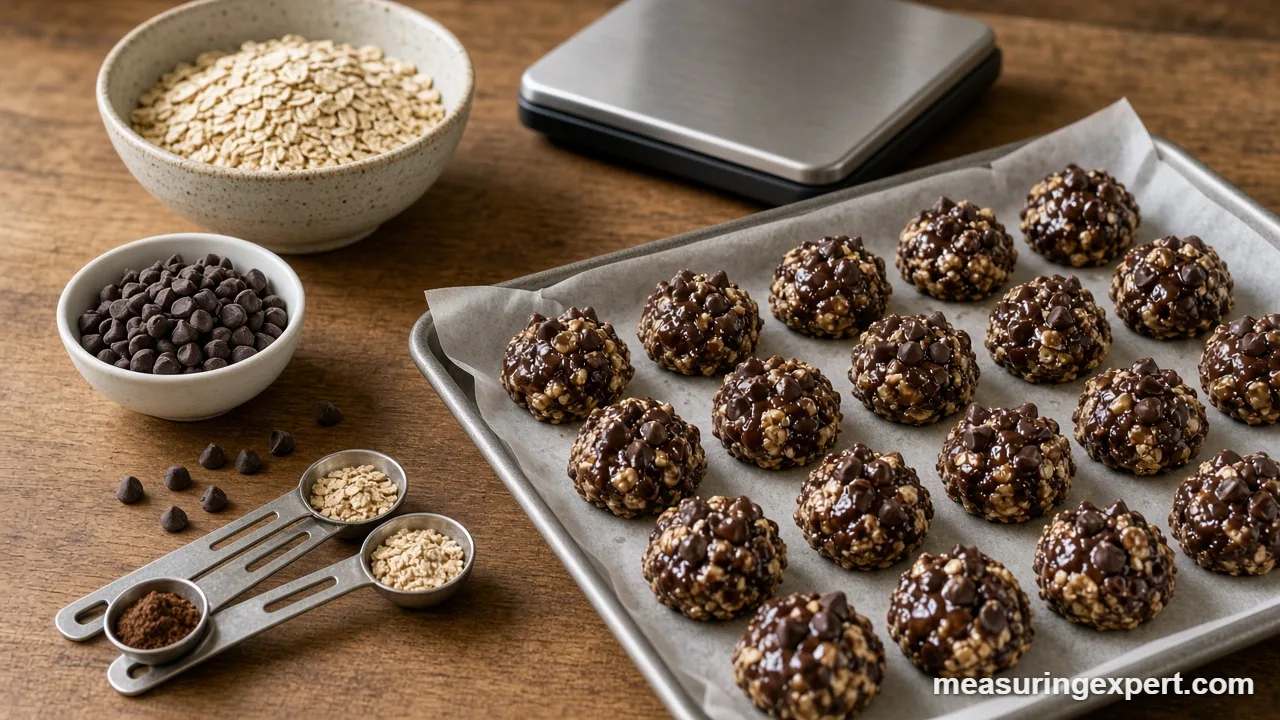
| Peanut butter oat bites | 113 g oats, 135 g peanut butter, 63 g honey, 88 g mini chips | 16 bites of 25 g |
| Whipped cream topping | 227 g cold heavy cream (1 cup) | about 2 cups |
The cereal bar line follows the original Kellogg’s recipe, which calls for 3 tablespoons of butter, a 10 oz package of marshmallows and 6 cups of cereal. In short, the marshmallow-to-butter ratio is close to 7 to 1 by weight.
For truffles, the ratio is 2 parts chocolate to 1 part cream by weight. A 1 to 1 mix gives a pourable glaze instead. Consequently, you can change the texture of a chocolate treat by changing the scale reading rather than guessing at cups.
In addition, the oat bites make a handy weight check. The four ingredients total about 400 g, so 16 bites of 25 g each use everything. For example, weigh a few bites as you roll them, and the whole tray will look uniform.
Scale Fun Desserts Up or Down
Doubling a recipe is easy when the numbers sit in a table. Start with the cereal bars, since classroom parties and playdates often need more than 12 servings.
| Batch | Butter | Marshmallows | Cereal | Servings |
|---|---|---|---|---|
| x1 | 3 tbsp (42 g) | 10 oz (283 g) | 6 cups | 12 |
| x2 | 6 tbsp (85 g) | 20 oz (567 g) | 12 cups | 24 |
| x4 | 12 tbsp (170 g) | 40 oz (1,134 g) | 24 cups | 48 |
Also, large batches need a large pot and a big spoon, so melt in stages if your pot is small. If a recipe uses milliliters instead, the converter in our guide to how much 30 mL is helps you move between spoons, ounces and mL.
How to Weigh Ingredients for Fun Desserts
- Set up the scale. Place it on a flat, dry counter and set the unit to grams.
- Add the bowl and tare. Press the tare button so the display reads zero with the empty bowl on top.
- Pour the first ingredient. Add it slowly until the display matches the number in the recipe.
- Tare again. Reset to zero before adding the next ingredient to the same bowl.
- Weigh sticky items last. Honey and peanut butter cling to the container, so weigh them directly into the bowl.
- Portion by weight. Divide the total by the number of treats, then weigh each ball or bar.
Where Kids Can Help With Fun Desserts
Measuring is a good job for young cooks, because the scale shows a number to match. For example, children can read the display, press the tare button and count scoops. Meanwhile, an adult handles the hot or sharp steps.
Good jobs for kids
- Match the scale display to the recipe number.
- Press crumbs into a pan with the back of a spoon.
- Roll chilled mixture into equal balls.
- Add toppings such as sprinkles or crushed cookies.
- Wash their hands and wipe the counter afterward.
Jobs for adults
- Melt butter, marshmallows or chocolate.
- Heat cream for truffles.
- Cut bars and chop nuts.
- Check labels for allergens.
- Handle the microwave and stove.
Common Mistakes With Fun Desserts
- Scooping flour or crumbs straight from the bag. The cup packs down and holds extra, so the treat turns out dry or dense.
- Using a liquid cup for dry goods. Because you cannot level the top, error creeps in.
- Mixing up fluid ounces and weight ounces. A cup of cream weighs 8 oz, but a cup of flour does not.
- Skipping the tare. Otherwise, the bowl weight ends up in your recipe.
- Overheating chocolate. Scorched chocolate turns grainy, so heat it gently and stir.
- Pressing a cereal bar too hard. A firmly packed bar turns tough, so press lightly with greased hands.
Food Safety for Fun Desserts
Some no-bake ideas call for raw cookie dough, but raw flour is not safe to eat. The Centers for Disease Control and Prevention (CDC) explains that germs such as E. coli and Salmonella are killed only by baking or cooking. The CDC also advises that children should not play with or eat dough made with raw flour. Similarly, raw eggs carry a risk.
Allergies deserve a plan too. Peanut butter, nuts, wheat and dairy are common triggers, so read every label before a party. In addition, ask parents first when other children will eat the treats. A seed butter can replace peanut butter in the oat bites, but check that the jar is allergen-safe.
Honest Limits of Dessert Weights
In short, every weight on this page is an average. Flour packs differently by brand, and marshmallows vary in size and moisture. For instance, a cup of mini marshmallows depends heavily on how loosely they sit in the cup. Weighing the whole bag, as the 10 oz package in the cereal bar recipe does, avoids that problem. Kitchen scales also have small errors, particularly near the bottom of their range. Because of this, very tiny amounts such as 2 g of salt are better handled with measuring spoons.
Frequently Asked Questions
How do you measure ingredients for fun desserts?
Weigh them on a digital scale in grams whenever the recipe gives weights. If it only lists cups, spoon the ingredient in lightly and level the top with a straight edge.
How many grams are in a cup of flour?
One cup of all-purpose flour weighs about 120 g, or 4 1/4 oz, according to the King Arthur chart. Your own cup may differ depending on how you fill it.
How many grams are in a cup of sugar?
One cup of granulated sugar weighs about 198 g (7 oz). A cup of packed brown sugar weighs about 213 g, and a cup of confectioners’ sugar about 113 g.
What is the easiest no-bake dessert for kids?
Crisped rice cereal bars are a classic choice. The original recipe uses 3 tablespoons of butter, a 10 oz package of marshmallows and 6 cups of cereal.
What is the ratio of chocolate to cream for truffles?
Use 2 parts chocolate to 1 part cream by weight for a firm truffle. A 1 to 1 mix makes a softer ganache or glaze.
Why do my fun desserts come out different every time?
Cup measures change with packing and scooping. Weighing removes that variation, so the same recipe gives the same result.
How many tablespoons are in a stick of butter?
One US stick has 8 tablespoons, which equals 1/2 cup and weighs about 113 g.
Can kids eat raw cookie dough?
No. The CDC says raw flour and raw eggs can carry germs, so dough should be baked. Use a store-bought dough labeled safe to eat raw if you want that taste.
How do I double a recipe for fun desserts?
Multiply every weight by two, then check that your pot and pan are big enough. The scaling table above shows the cereal bar recipe at x1, x2 and x4.
Do I need a scale to make fun desserts?
No, but a scale makes results more consistent. Measuring cups and spoons still work well for forgiving recipes such as parfaits and toppings.
Fun Desserts: The Bottom Line
To sum up, a scale turns fun desserts into repeatable recipes. Use the per-cup chart, start with the five ratios, and scale up with the table when a crowd arrives.
Finally, keep the safety basics in mind: bake any dough that contains flour, check allergens and let adults handle the heat. For party-sized plans, our guides to birthday party treats and buffet measuring pick up where this page stops.