

The best time to measure resting heart rate is in the morning, after a good night’s sleep and before you get out of bed or drink coffee. First, lie still for a few minutes. Then count your pulse for 30 seconds and double it. For most adults, a normal result is 60 to 100 beats per minute.
Turn a Short Count Into Your Resting Heart Rate
Heart rate is always given per minute, but few people count for a full minute. Instead, most count for 15 or 30 seconds and scale up. Enter your counting window below to see it as a fraction of a minute. Then divide your beat count by that number. For example, 15 seconds is 0.25 minute, so 18 beats / 0.25 = 72 beats per minute.
Why Timing Matters for Resting Heart Rate
Your heart rate changes all day long. It rises when you climb stairs, when you feel nervous, and after a strong coffee. So a number taken at a random moment tells you very little. Resting heart rate, by contrast, is the rate your heart needs to keep blood moving when you are calm and not active. That makes it a useful baseline, but only if you take it under the same conditions each time.
In short: timing matters more than technique. The American Heart Association (AHA) suggests checking it in the morning, after sleep and before your first cup of coffee, in its guide to target heart rates. In addition, the Mayo Clinic describes the simple 15-second and 30-second counting shortcuts that most people use at home.
This guide covers why the morning works best, how to take your pulse step by step, and which counting window to pick. After that, it explains what can skew a reading and how wearables compare with counting by hand. It is general information about a measurement, so it does not replace advice from your own doctor.
Key Takeaways
- Measure in the morning, before you get out of bed and before caffeine.
- Rest quietly for at least a few minutes before you start counting.
- Count for 30 seconds and multiply by 2, or count a full 60 seconds.
- Most adults fall between 60 and 100 beats per minute at rest.
- Very fit athletes can sit around 40 to 60 beats per minute.
- Track the trend over several days rather than one single number.
- A watch or chest strap is handy, yet a careful hand count is still valid.
Recommended Tools for Tracking Resting Heart Rate
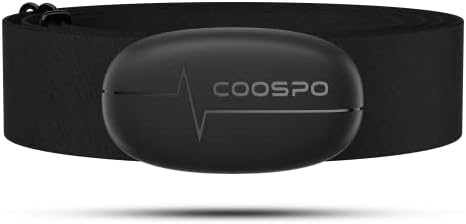
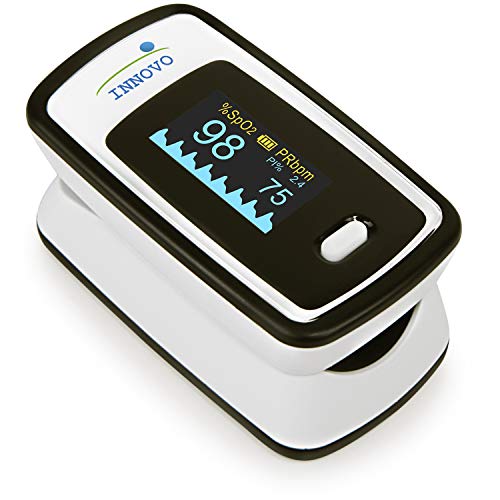
You do not need any gear to count your pulse. Even so, a device makes daily tracking easier. A chest strap reads the heart’s electrical signal, so it is usually the steadier option. A fingertip pulse oximeter, meanwhile, shows pulse rate and blood oxygen in a few seconds. Pick one that fits your routine, and keep using the same one so your numbers stay comparable.




As an Amazon Associate, Measuring Expert earns from qualifying purchases.
Why Morning Is the Best Time to Check Resting Heart Rate
The goal is to catch your heart at its most settled, awake state. Overnight, you have not exercised, eaten a big meal or had caffeine. As a result, the usual daytime triggers are absent when you first wake up. The AHA puts it plainly: check it in the morning after a good night’s sleep, before you get out of bed or grab that first coffee.
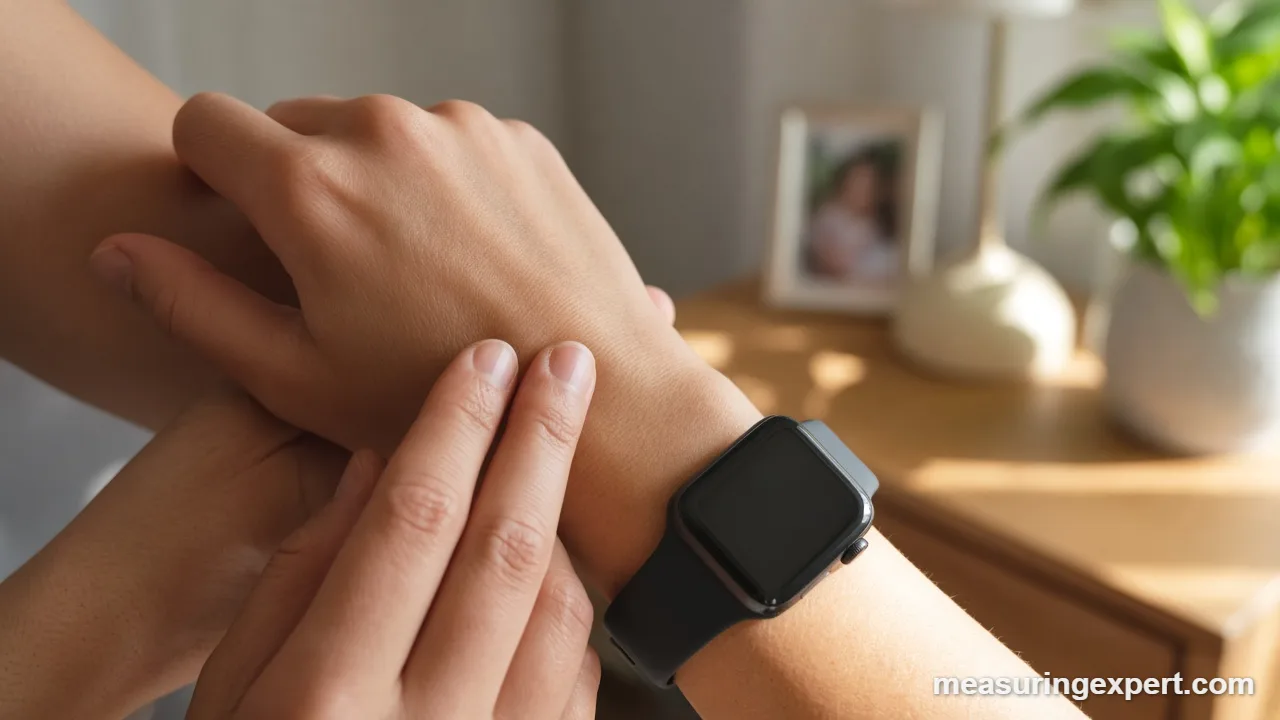
Getting up matters too. When you stand, your heart briefly beats faster to keep blood flowing to your brain. Therefore, a reading taken in bed is lower and more repeatable than one taken after a walk to the kitchen. Similarly, a full bladder, a loud alarm or checking your phone can nudge the number up. So set the alarm a few minutes early, stay lying down, and breathe normally for a minute or two before you count.
What if mornings do not work for you? Then choose another calm moment and stick with it. For example, some people measure after sitting quietly for 10 minutes in the evening. MedlinePlus, the consumer health site of the US National Library of Medicine, notes that you should rest for at least 10 minutes to get a true resting value. The key is consistency: same time, same position, same method.
How to Measure Resting Heart Rate by Hand
Use this method with nothing more than a clock or phone timer. It works at the wrist or the neck. The wrist is easier for most people.
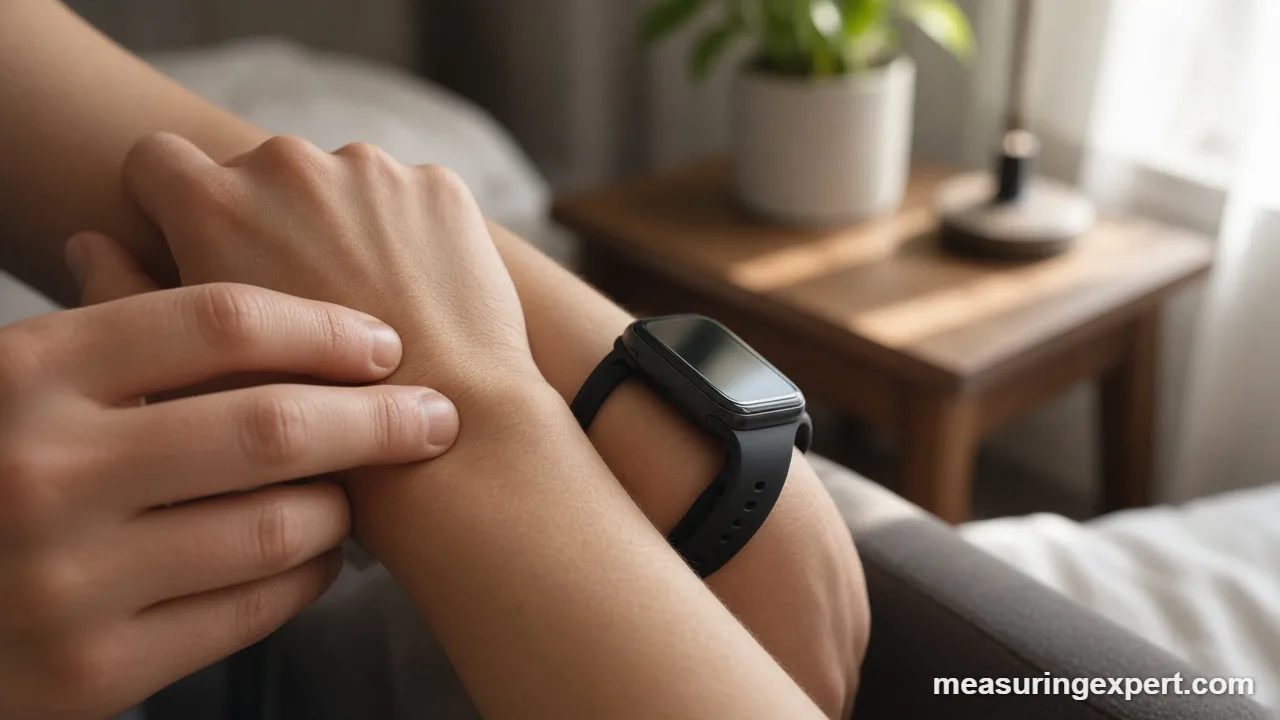
- Stay lying down. Wake up, stay in bed, and rest quietly for a few minutes.
- Find the radial pulse. Turn one palm up and place the index and middle fingers of your other hand on the inside of the wrist, just below the base of the thumb.
- Press lightly. Use flat fingertips and gentle pressure until you feel a steady beat. Avoid your thumb, because it has a pulse of its own.
- Start a timer. Watch a clock or phone and count each beat for 30 seconds.
- Do the math. Multiply your count by 2, or use the converter above for other windows.
- Write it down. Note the date, time, position and result, and repeat on the next few mornings.
Can’t find it at the wrist? Next, try the side of your neck, next to the windpipe. However, press on one side only. MedlinePlus warns that pressing both sides at once can slow blood flow to the head and may cause fainting.
15, 30 or 60 Seconds: Which Count Is Best?
Every window gives the same unit, beats per minute. The difference is how much a single missed beat costs you. Because the count is multiplied, any error is multiplied too.
| Window | Multiply by | Error from one missed beat | Best for |
|---|---|---|---|
| 10 seconds | 6 | 6 bpm | Quick checks during exercise |
| 15 seconds | 4 | 4 bpm | A fast morning check |
| 30 seconds | 2 | 2 bpm | Daily tracking (good balance) |
| 60 seconds | 1 | 1 bpm | The most careful reading; irregular rhythms |
The AHA and MedlinePlus both describe counting for a full 60 seconds. Meanwhile, Mayo Clinic’s heart rate guide also allows 15 seconds times 4 or 30 seconds times 2. In practice, 30 seconds is a sensible daily choice. If the beat feels uneven, though, count the full minute.
What Can Throw Off a Reading
Many everyday things raise or lower your pulse for a while. Knowing them helps you spot a reading that does not fit your pattern.
| Factor | Usual effect | What to do |
|---|---|---|
| Caffeine or nicotine | Can raise it | Measure before your first coffee or cigarette |
| Recent exercise | Raises it for a while | Wait until you have fully recovered |
| Stress, excitement, a jarring alarm | Raises it | Lie still and breathe normally first |
| Standing up | Raises it briefly | Measure lying down or always in the same position |
| Heat and humidity | Can raise it | Note unusual room or weather conditions |
| Poor sleep, illness, fever | Often raises it | Log it, and read the trend instead of one day |
| Some medications | Can raise or lower it | Ask your doctor or pharmacist what to expect |
What a Normal Resting Heart Rate Looks Like
For adults, the AHA, Mayo Clinic and MedlinePlus all give the same general range: 60 to 100 beats per minute. Children, however, run faster, and trained athletes often run slower. The table below uses the ranges from MedlinePlus.
| Group | Typical resting range |
|---|---|
| Newborns (0 to 1 month) | 70 to 190 bpm |
| Infants (1 to 11 months) | 80 to 160 bpm |
| Children 1 to 2 years | 80 to 130 bpm |
| Children 3 to 4 years | 80 to 120 bpm |
| Children 5 to 6 years | 75 to 115 bpm |
| Children 7 to 9 years | 70 to 110 bpm |
| Children 10 and older and adults | 60 to 100 bpm |
| Well-trained athletes | 40 to 60 bpm |
A range is not a target, though. Your own normal sits somewhere inside it, and a lasting change from your usual number can say more than where you fall on the chart. For that reason, many people log readings for a week before deciding what their baseline is. For more on how health numbers like bpm and mmHg are written, see our guide to medical units of measurement.
Wearables vs Counting by Hand
Smartwatches and fitness bands now estimate resting heart rate automatically, often from data collected while you sleep. That is convenient. Still, different devices use different methods, so their numbers are not always interchangeable.
| Method | How it reads your pulse | Strengths | Watch out for |
|---|---|---|---|
| Counting by hand | You feel the artery and count beats | Free, no battery, easy to repeat | Miscounts; short windows multiply errors |
| Chest strap | Electrical signal from the heart | Usually the steadiest consumer option | Needs skin contact and a snug fit |
| Smartwatch or band | Light sensor on the wrist (optical) | Automatic overnight tracking | Loose fit, movement and tattoos can affect it |
| Fingertip pulse oximeter | Light passed through the fingertip | Quick spot check plus oxygen level | Cold hands and nail polish can affect it |
| Home blood pressure cuff | Pressure pulses in the cuff | Gives pulse along with blood pressure | One reading per cuff cycle |
A watch’s “resting heart rate” figure is often calculated over the night or the whole day. So it can differ from your morning hand count by a few beats. Neither is wrong; they simply measure different windows. If you already own a cuff, our blood pressure monitor guide explains how those readings work. Likewise, our guide to measuring oxygen saturation covers fingertip oximeters in more detail.
Do and Don’t for Accurate Pulse Readings
Do
- Measure at the same time each morning.
- Rest quietly for a few minutes before counting.
- Use your index and middle fingers.
- Count a full minute if the beat feels uneven.
- Log several days and look at the average.
Don’t
- Check right after coffee, a workout or an argument.
- Press both sides of your neck at once.
- Count with your thumb, which has its own pulse.
- Compare a watch number directly with a hand count.
- Panic over a single high or low reading.
Honest Limits of Home Readings
A home pulse check is a useful habit, but it has limits. First, counting by hand depends on your attention; it is easy to lose one or two beats, especially in a 10- or 15-second window. Second, consumer wearables are not medical devices in the same sense as clinical equipment, and their readings can drift with fit and movement. Third, a pulse count tells you how fast the heart beats, not whether the rhythm is regular or why the rate is what it is. In short, use your number to notice patterns over time. Diagnosis is a job for a healthcare professional.
When to Talk to a Doctor
Mayo Clinic suggests talking with a healthcare professional if your resting rate is regularly above 100 beats per minute. The same applies if you are not a trained athlete and your rate is often below 60, especially with fainting, dizziness or shortness of breath. Also, the AHA recommends telling your doctor if you notice your heart beating slower or faster than usual. Bring your log to the appointment, because a week of morning readings is far more useful than a single number you remember.
Resting Heart Rate FAQs
What is the best time to measure resting heart rate?
The best time is in the morning after a good night’s sleep, before you get out of bed and before coffee. That is when daily triggers such as activity, food and caffeine are least likely to affect it.
Should I measure resting heart rate sitting or lying down?
Lying down in bed right after waking gives the most repeatable baseline. If you prefer sitting, that is fine too, but always use the same position so your readings stay comparable.
How long should I rest before checking my pulse?
Rest quietly for at least a few minutes. MedlinePlus says you should have been resting for at least 10 minutes to measure a true resting heart rate.
How many seconds should I count my pulse for?
Count for 30 seconds and multiply by 2 for a good daily reading. Counting a full 60 seconds is the most careful option, while 15 seconds times 4 is quicker but less precise.
What is a normal resting heart rate for adults?
For most adults, a normal resting heart rate is 60 to 100 beats per minute, according to the AHA, Mayo Clinic and MedlinePlus. Well-trained athletes may be closer to 40 to 60.
Is a resting heart rate below 60 bad?
Not always. Fit people and athletes often have lower rates. Mayo Clinic suggests talking to a healthcare professional if you are not an athlete and your rate is often below 60, especially with dizziness or fainting.
Why is my heart rate higher in the afternoon?
Activity, meals, caffeine, stress and standing all push heart rate up during the day. That is why a midday number is usually higher than one taken in bed after waking.
Is my smartwatch resting heart rate accurate?
It is usually close enough for spotting trends, but fit and movement affect optical sensors. Many watches also calculate the figure overnight, so it can differ from a morning hand count by a few beats.
Does coffee affect resting heart rate readings?
Caffeine can raise heart rate, which is why the AHA suggests checking before your first cup. If you have already had coffee, measure another time and note it in your log.
How often should I check my resting heart rate?
For a baseline, check it on several mornings in a row and average the results. After that, a few checks a week are enough for most people unless a doctor advises otherwise.
The Bottom Line
To sum up, the best time to measure your resting heart rate is right after you wake up, still lying in bed, before coffee or activity. Rest for a few minutes, place two fingers on your wrist, count for 30 seconds and double it. For most adults, a result between 60 and 100 beats per minute falls in the normal range.
Finally, remember that one number means little on its own. Measure the same way on several mornings, keep a simple log, and watch for changes from your own usual value. If your readings are regularly high or low, or you notice symptoms, share your log with your doctor.