

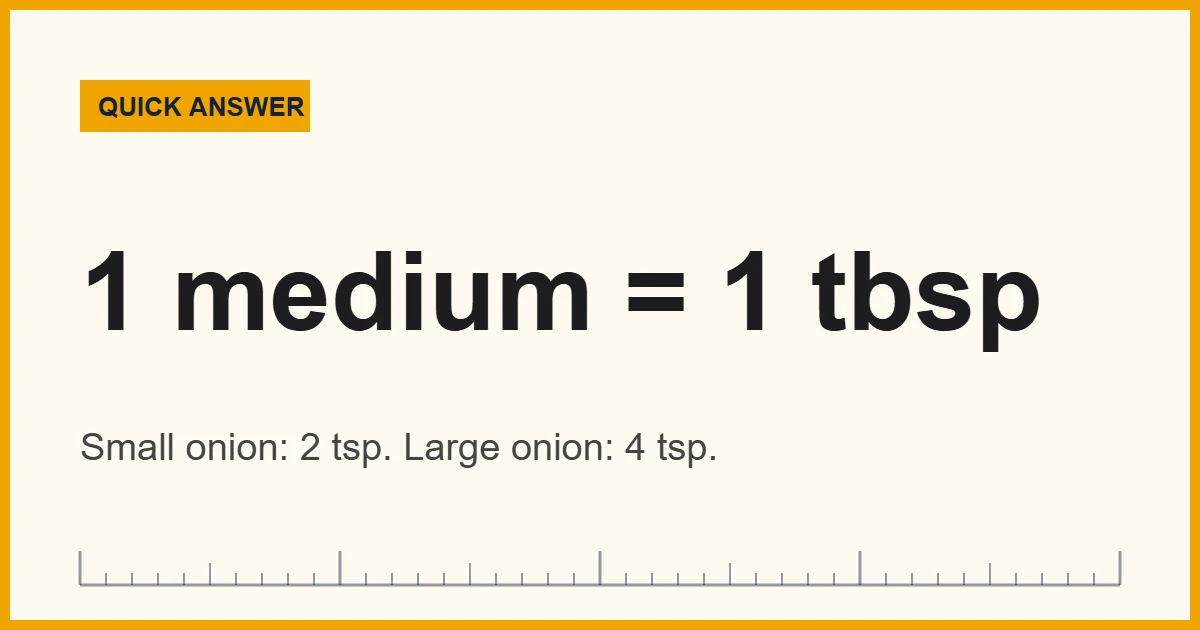
Onion powder replaces fresh onion at about 1 tablespoon (roughly 7 g) for one medium onion, which is the standard swap in university extension substitution charts. So use about 2 teaspoons for a small onion and 4 teaspoons (1 tablespoon plus 1 teaspoon) for a large one. Because the powder can taste stronger, start lower and adjust.
Onion Powder to Fresh Onion Converter
The tool below converts spoon measurements, so you can scale the swap up or down. For example, enter 1.5 if a recipe needs one and a half medium onions, and it shows the matching teaspoons and milliliters. It works on volume only, so it does not know about onions; think of it as “tablespoons of powder” in and every other spoon out.
Fresh onions bring sweetness, moisture and bite to a dish. Sometimes, however, the bag in the pantry is empty, or you want the flavor without chunks. That is when a jar of dehydrated onion comes in handy. It is simply onion with almost all the water removed and then ground fine, so a small spoonful carries the taste of a much bigger vegetable.
The swap most home cooks use comes from extension services. For instance, the New Mexico State University guide In a Pinch Ingredient Substitution lists 1 tablespoon of onion powder as a stand-in for 1 medium chopped onion. Similarly, the Mississippi State University Extension equivalents chart gives the same ratio. Below, you will find a chart by onion size, the weight math behind it, and the cases where the swap falls short.
Onion Powder Conversion Chart by Onion Size
The figures below scale the extension ratio (1 tablespoon for a 110 g medium onion) by the USDA FoodData Central weights for raw onions. As a result, every row keeps the same powder-to-onion proportion. Then round to the nearest spoon you own.
| Fresh onion | Typical raw weight | Powder to use | Milliliters (US spoons) |
|---|---|---|---|
| 1 tbsp chopped | 10 g (0.35 oz) | 1/4 tsp | 1.23 mL |
| 1/4 cup chopped | 40 g (1.4 oz) | 1 tsp | 4.93 mL |
| 1/4 medium onion | 28 g (1 oz) | 3/4 tsp | 3.70 mL |
| 1/2 medium onion | 55 g (1.9 oz) | 1 1/2 tsp | 7.39 mL |
| 1/2 cup chopped | 80 g (2.8 oz) | 2 1/4 tsp | 11.09 mL |
| 1 small onion | 70 g (2.5 oz) | 2 tsp | 9.86 mL |
| 1 medium onion (2 1/2 in wide) | 110 g (3.9 oz) | 1 tbsp (3 tsp) | 14.79 mL |
| 1 cup chopped | 160 g (5.6 oz) | 1 1/2 tbsp (4 1/2 tsp) | 22.18 mL |
| 1 large onion (3 in wide) | 150 g (5.3 oz) | 4 tsp (1 tbsp + 1 tsp) | 19.72 mL |
| 2 medium onions | 220 g (7.8 oz) | 2 tbsp | 29.57 mL |
For convenience, print this chart and tape it inside a spice cabinet. Also, if you need to turn those tablespoons into teaspoons for other spices, our guide on how to convert tablespoons to teaspoons walks through it.
Recommended Tools for Measuring Spices
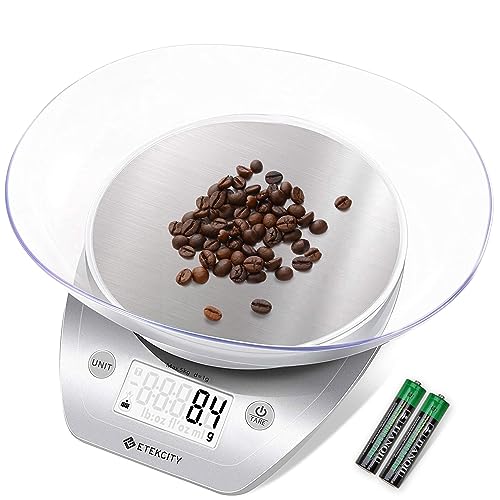
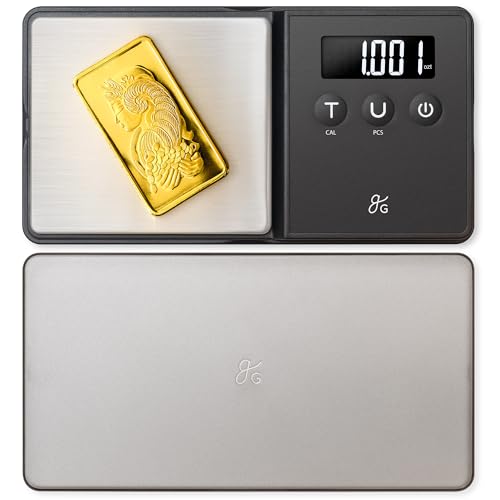
A swap is only as good as the spoon. First, choose measuring spoons with narrow heads that fit into spice jars and engraved sizes that will not rub off. Next, a kitchen scale lets you weigh onions before you substitute, which removes the guesswork about “medium”. Finally, a small pocket scale reads to 0.01 g, so it can weigh a teaspoon of spice directly.


As an Amazon Associate, Measuring Expert earns from qualifying purchases.
Why 1 Tablespoon? The Weight Math Behind the Swap
First of all, raw onion is mostly water. According to USDA FoodData Central, raw onion holds about 89.1 g of water per 100 g, while the dried spice holds only about 5.4 g. In addition, USDA lists a level teaspoon of the powder at about 2.4 g and a tablespoon at about 6.9 g.
Now do the math for a 110 g medium onion. First, its dry solids weigh about 12 g (11 percent of 110 g). Next, at 5.4 percent moisture, that becomes roughly 12.7 g of powder. Finally, 12.7 g divided by 2.4 g per teaspoon is about 5.3 teaspoons, or close to 1 3/4 tablespoons.
So why do the charts say 1 tablespoon? Mostly because the swap is about taste, not mass. For one thing, a fine powder spreads through every bite, and it carries no extra water to dilute it. Therefore most cooks find that a full dry-matter match tastes too strong. In short, 1 tablespoon is a sensible middle ground, and the full 1 3/4 tablespoons is the ceiling for dishes where onion should dominate.
| Onion size | Raw weight | Dry solids | Powder at full match | Chart starting point |
|---|---|---|---|---|
| Small | 70 g | 7.6 g | 3.4 tsp (8.1 g) | 2 tsp |
| Medium | 110 g | 12.0 g | 5.3 tsp (12.7 g) | 3 tsp |
| Large | 150 g | 16.4 g | 7.2 tsp (17.3 g) | 4 tsp |
For more on small weights like these, see how much 1 gram is in spoons.
Onion Powder vs Minced Onion, Granulated Onion and Onion Salt
In fact, several dried onion products share the shelf, and they do not swap one for one. For example, grabbing onion salt instead of plain powder adds a lot of sodium.
| Product | What it is | How to swap it for 1 medium onion |
|---|---|---|
| Onion powder | Dehydrated onion ground to a fine dust | About 1 tbsp |
| Granulated onion | Dehydrated onion ground coarser, like sand | About 1 tbsp, maybe a little more; it tastes slightly milder per spoon |
| Instant (dried) minced onion | Small dried flakes | About 1 1/2 tbsp; extension charts list 1 tbsp for a small onion |
| Onion salt | Mostly salt with some onion powder mixed in | Not a good swap; if you use it, cut the salt in the recipe and check the label |
| Fresh chopped onion | About 89 percent water | About 2/3 cup chopped (110 g) |
How to Swap in Onion Powder Step by Step
- Size up the onion the recipe wants. Small is about 70 g, medium 110 g, and large 150 g; a kitchen scale settles it.
- Read the starting amount from the chart. Pick 2 teaspoons, 1 tablespoon or 4 teaspoons, or enter a multiple in the converter above.
- Measure level spoonfuls. Dip the spoon, then sweep a knife across the rim so the top is flat.
- Bloom it in fat or liquid. Stir it into warm oil, butter or broth early in cooking so it dissolves and loses its raw, dusty edge.
- Replace some moisture if needed. In sauces and soups, add a splash of water or stock, since a fresh onion would have released liquid.
- Taste after a few minutes and adjust. Add more in 1/4 teaspoon steps; you cannot take it back out.
Do and Don’t
Do
- Start at the low end and taste.
- Stir the powder into fat or liquid early.
- Store the jar sealed, away from heat and steam.
- Weigh onions when a recipe gives grams.
- Check the label for added salt or anti-caking agents.
Don’t
- Swap onion salt for plain powder without cutting the salt.
- Shake the jar over a steaming pot; moisture makes it cake.
- Expect crunch or caramelized texture from a powder.
- Pack the spoon; level it instead.
- Assume flakes and powder measure the same.
Where the Swap Works and Where It Fails
Dehydrated onion shines anywhere the onion should disappear into the background. For example, soups, stews, chili, gravies, meatloaf, burgers, dips, salad dressings and dry rubs all take it well. Likewise, it is handy for smooth sauces where you would otherwise strain out chopped pieces. For a full pot, our guide on measuring ingredients for winter soups and stews covers the rest of the batch.
On the other hand, powder cannot copy texture. For instance, French onion soup, caramelized onions, fajitas, salsa and pickled onions depend on the vegetable itself. Also, a fresh onion browned in oil builds sweet, roasted flavors that a spoonful of powder will not match. In those dishes, use fresh onion or skip the recipe for now.
Honest Limits of Any Onion Swap
In truth, no conversion is exact here. First, “medium” is a loose size; supermarket onions often weigh well over 150 g. Second, onion varieties differ: sweet onions taste milder than yellow storage onions, while red onions sit in between. Third, brands grind and dry differently, and powder loses aroma as it ages. As a result, an old jar may need half again as much. Finally, spoon volume is not the same as weight, because a heaped or packed spoon holds more. For these reasons, the chart gives starting points, and your taste buds make the final call.
When Accuracy Really Matters
For most home cooking, a little more or less is harmless. Still, a few situations call for care:
- Low-sodium diets. Plain powder has little sodium, while onion salt is mostly salt; read labels.
- Food allergies or intolerances. After all, dried onion is still onion. Anyone who must avoid onion should avoid every form of it.
- Scaling recipes for a crowd. Because errors multiply, weigh both the onions you are replacing and the powder.
- Home canning. Follow a tested recipe exactly instead of improvising swaps, since changing ingredients can affect safety.
Onion Powder FAQs
How much onion powder equals one onion?
About 1 tablespoon replaces one medium onion of roughly 110 g. Use about 2 teaspoons for a small onion and 4 teaspoons for a large one.
How much onion powder equals half an onion?
Use about 1 1/2 teaspoons for half of a medium onion, and about 3/4 teaspoon for a quarter.
Is onion powder stronger than fresh onion?
Spoon for spoon, yes. It is concentrated because almost all the water is gone, so a tablespoon stands in for a whole medium onion.
How much powder replaces 1 cup of chopped onion?
About 1 1/2 tablespoons, or 4 1/2 teaspoons. One cup of chopped onion weighs about 160 g, a bit more than one medium onion.
Can I use onion powder instead of minced dried onion?
Yes. Use about two thirds as much powder as the flakes the recipe lists, since powder packs more onion into each spoon.
How many grams is a tablespoon of onion powder?
USDA lists about 6.9 g per level tablespoon and about 2.4 g per teaspoon. However, brands vary slightly with grind and packing.
Can I use onion salt instead?
Only if you cut the other salt in the recipe. Onion salt is mostly salt, so a full onion’s worth would oversalt most dishes.
When should I add the powder to a dish?
Add it early, into warm oil, butter or broth, so it dissolves and mellows. For dips and dressings, let them rest 15 minutes before tasting.
Does onion powder go bad?
It rarely spoils when it stays dry, but it fades over time. If it smells weak or has formed a hard cake, replace it or use more.
Is the onion powder swap the same for garlic?
No. Garlic powder follows a different ratio; a common guide is about 1/8 teaspoon per clove. Check a garlic chart instead.
The Bottom Line
To sum up, use about 1 tablespoon of onion powder for one medium onion, 2 teaspoons for a small one and 4 teaspoons for a large one. The weight math allows up to about 1 3/4 tablespoons, so there is room to add more if you want a bold onion flavor.
Meanwhile, keep fresh onions for dishes that need texture or browning. For everything else, bloom the powder in fat or liquid, taste, and adjust in small steps.