

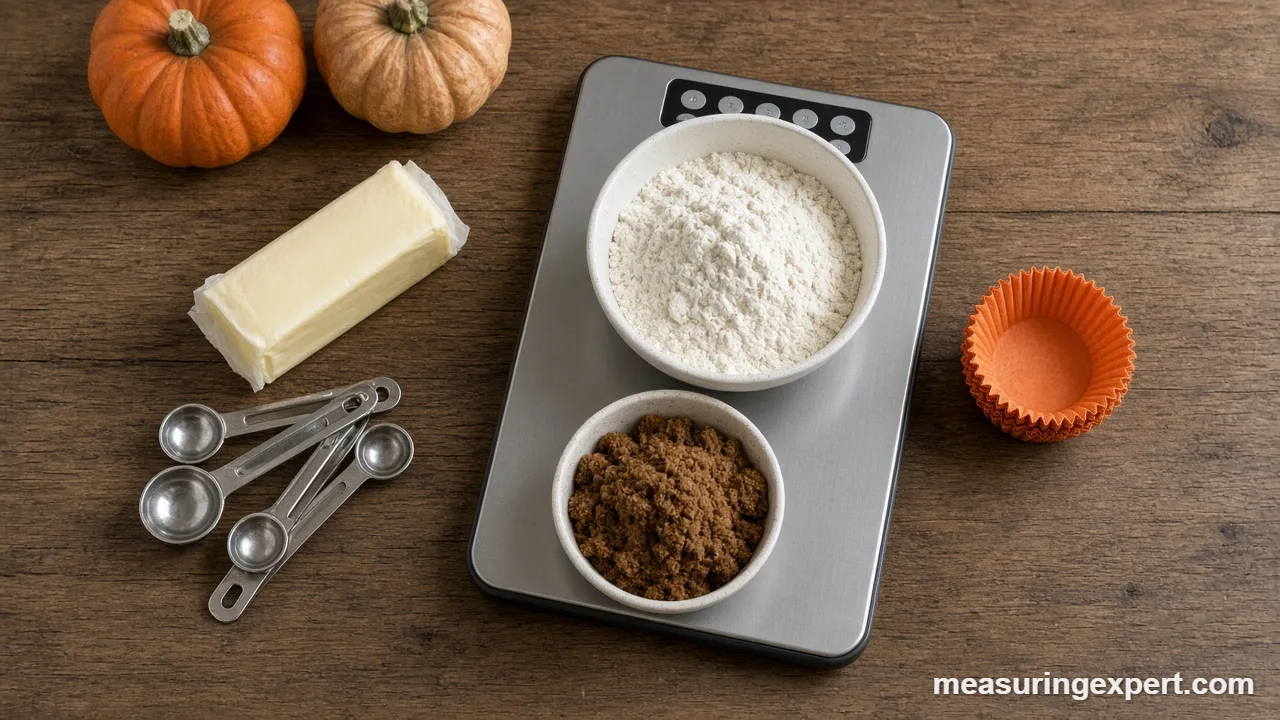
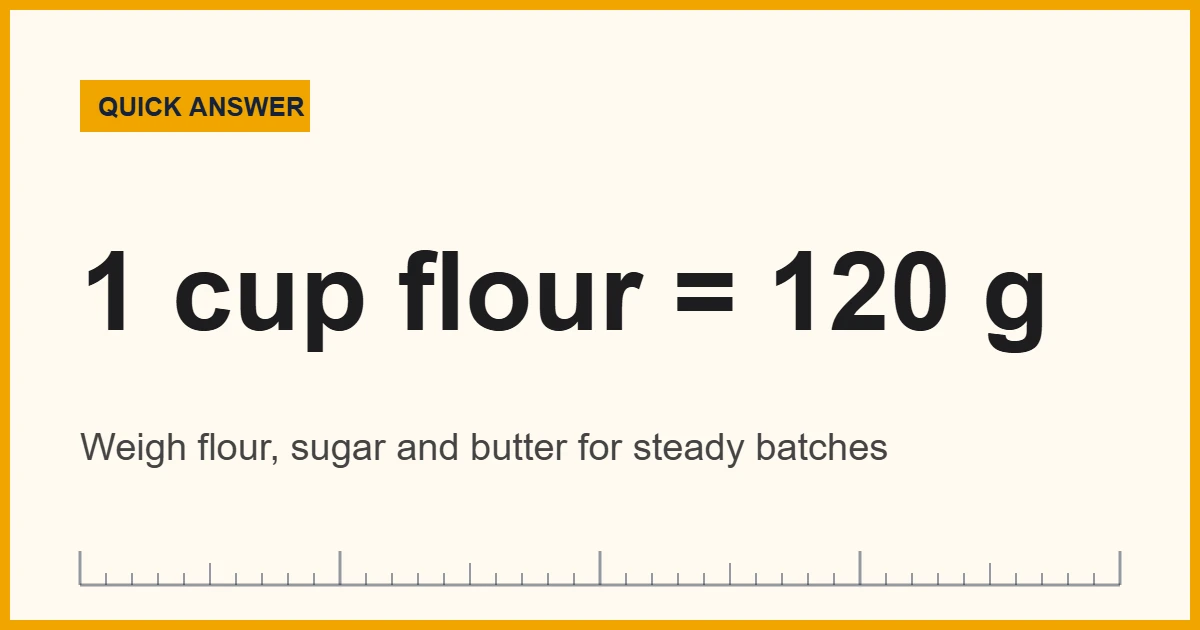
Halloween treats turn out best when you weigh the main ingredients. One cup of all-purpose flour is about 120 g (4 1/4 oz), one cup of granulated sugar is 198 g (7 oz), and one cup of butter is 227 g (8 oz). If you only have cups, spoon the flour in and level it.
Convert Ounces and Grams for Halloween Treats
Type an amount in ounces to see grams, pounds and kilograms. For example, the default of 4.25 oz is one cup of flour.
Most failed batches of Halloween treats do not fail because of the recipe. Instead, they fail because a cup of flour is not always the same amount of flour. As a result, cookies spread, cupcakes turn dry, and fudge never sets. However, a scale fixes most of that, and a few good habits with cups and spoons fix the rest.
This guide shows how to measure ingredients for Halloween treats with cups, spoons and a scale. In addition, it covers sticky syrups, food coloring, candy decorations and the temperature checks that caramel needs. For example, for weights we use the King Arthur Baking ingredient weight chart. Likewise, for spoon and cup sizes we use the NIST metric kitchen table.
First comes a weight chart for the ingredients that show up most often. After that, you will find the tools, the scaling math, and the common mistakes.
Ingredient Weight Chart for Halloween Treats
Use this chart when a recipe lists cups and you want grams. In addition, the ounce values come straight from the same source. Brands differ a little, so treat the numbers as solid averages.
| Ingredient | Amount | Ounces | Grams |
|---|---|---|---|
| All-purpose flour | 1 cup | 4 1/4 | 120 |
| Granulated sugar | 1 cup | 7 | 198 |
| Brown sugar, packed | 1 cup | 7 1/2 | 213 |
| Confectioners’ sugar, unsifted | 1 cup | 4 | 113 |
| Butter | 1 cup (16 tbsp) | 8 | 227 |
| Butter | 1/2 cup (8 tbsp) | 4 | 113 |
| Milk | 1 cup | 8 | 227 |
| Vegetable oil | 1 cup | 7 | 198 |
| Pumpkin puree | 1 cup | 8 | 227 |
| Corn syrup | 1 cup | 11 | 312 |
| Honey | 1 tablespoon | 3/4 | 21 |
| Molasses | 1/4 cup | 3 | 85 |
| Rolled oats | 1 cup | 4 | 113 |
| Chocolate chips | 1 cup | 6 | 170 |
Source: the King Arthur Baking ingredient weight chart. The chocolate chip figure is for one brand of bittersweet chips, so milk chocolate or mini chips will differ. For the 1 lb powdered sugar bag, 453.6 g divided by 113 g gives about 4 cups.
Recommended Tools for Measuring Halloween Treats
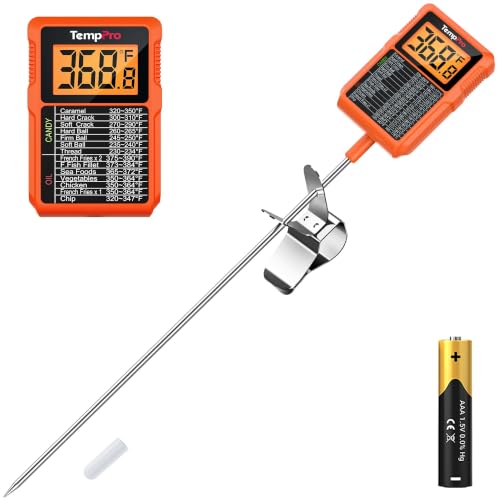
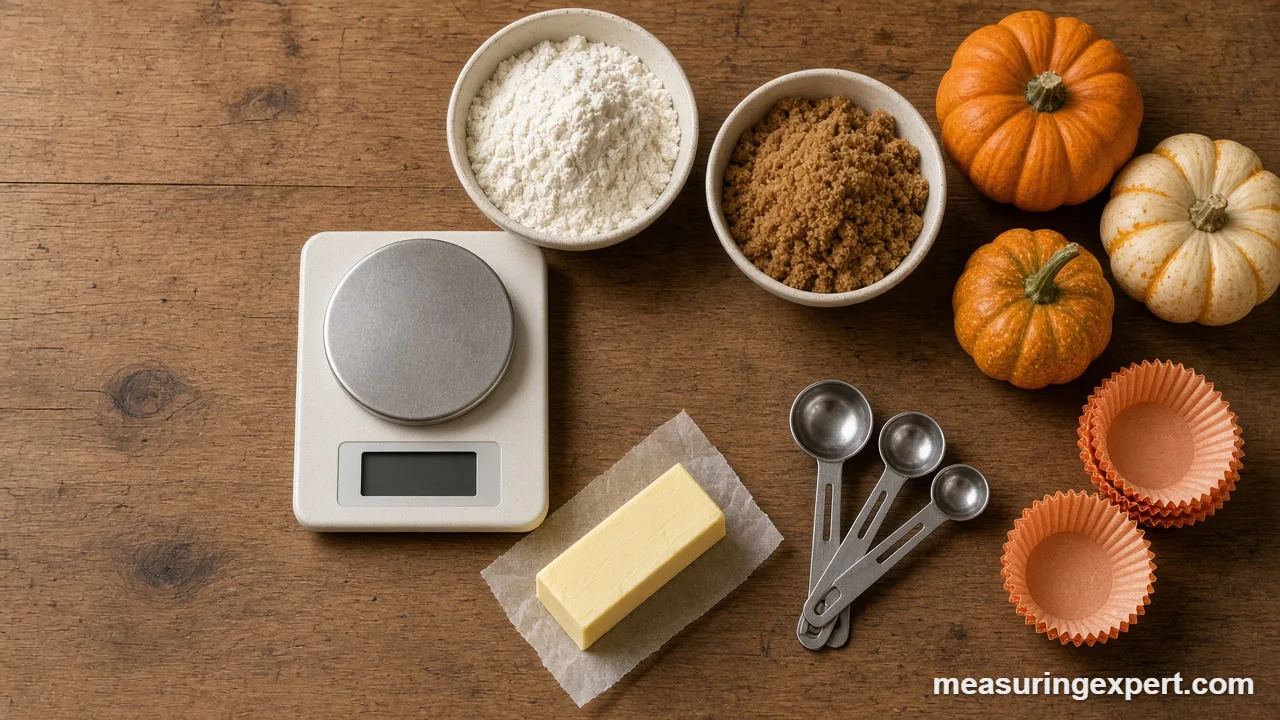
You do not need much. First, a digital scale with a tare button does the most work, because you can add each ingredient to one bowl. Next, a set of measuring spoons covers baking soda, spices and extracts. Finally, a clear liquid cup and a candy thermometer handle syrups and caramel.


As an Amazon Associate, Measuring Expert earns from qualifying purchases.
Key Takeaways
- Weigh flour, sugar and butter whenever you can; King Arthur lists 120 g for a cup of all-purpose flour.
- If you must use cups, spoon the flour in and level it. Do not scoop with the cup.
- Brown sugar is the one dry ingredient you pack into the cup.
- Level spoons for baking soda and baking powder, because small errors show up fast.
- Pull caramel for apples at the temperature the recipe names, and check your thermometer first.
- Scale by weight, and scale spices and leaveners with extra care.
How to Measure Ingredients for Halloween Treats, Step by Step
- Read the whole recipe first. Note which amounts are in cups, which are in grams, and which ingredients are sticky.
- Set a bowl on the scale and tare it. Press the tare button so the display reads zero.
- Weigh dry ingredients one at a time. Tare again after each one, so every number on the display is a single ingredient.
- Use cups only for what the recipe lists in cups. Fluff the flour, spoon it into the cup, and sweep the top flat with a knife.
- Measure small amounts with spoons. Level baking soda, baking powder, salt and spices with the back of a knife.
- Measure liquids in a clear cup at eye level. Set the cup on the counter, then read the line from the side.
- Add decorations last. Count candy eyes and sprinkles after the batter is done, so you do not run short.
Measuring Dry Ingredients for Halloween Treats
Flour packs down in the bag. Therefore, a cup that you scoop straight from the bag holds more flour than a cup that you spoon in. King Arthur bases its 120 g figure on a cup that is fluffed, spooned and leveled. Too much flour, as a result, makes cookies dry and cakes dense.
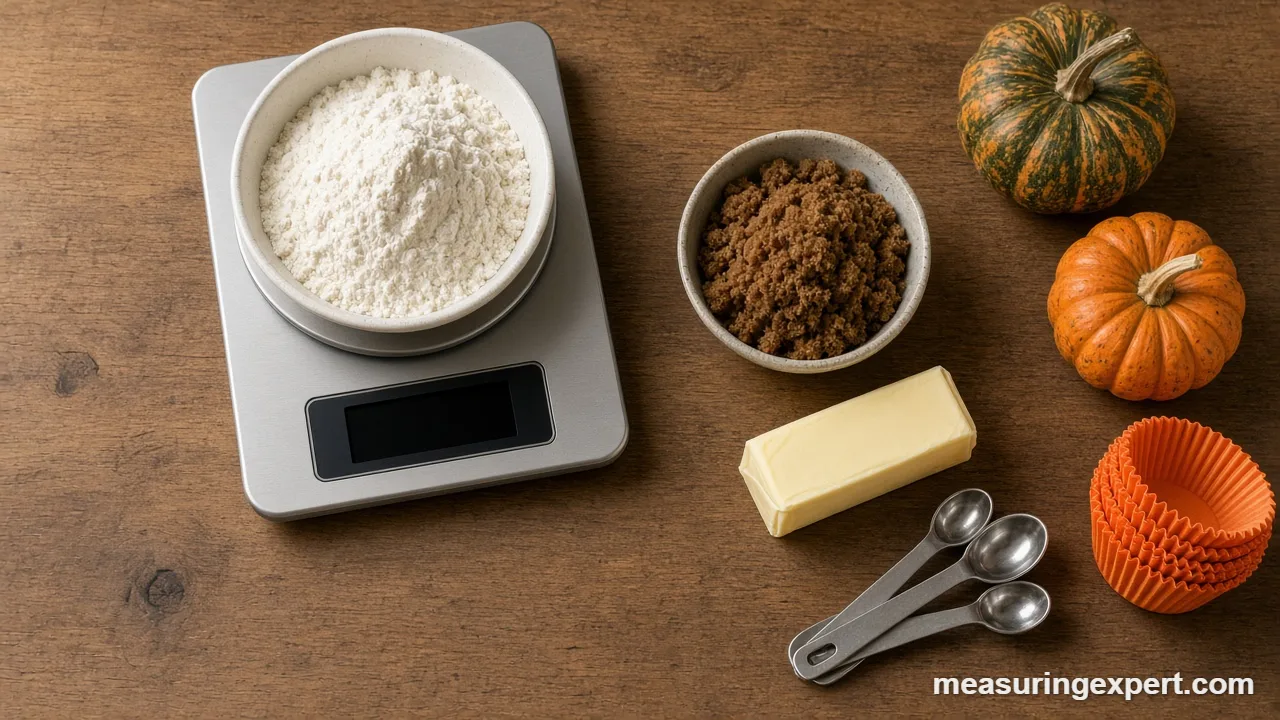
Granulated sugar behaves better because its crystals do not pack. Brown sugar, however, is the exception. Its moisture makes it clump, so recipes ask you to press it into the cup until it holds its shape. A packed cup weighs about 213 g.
Powdered sugar needs one extra step. Because it clumps, sift it or whisk it before you measure, then spoon it into the cup. One cup of unsifted powdered sugar is about 113 g. Similarly, cocoa works the same way. The King Arthur chart lists 42 g for half a cup of one cocoa blend, but cocoa brands differ, so weigh it when the recipe gives grams.
Measuring Sticky and Liquid Ingredients
Water, milk and juice go in a clear liquid cup with a spout. Read the line at eye level, because looking from above makes the liquid look lower than it is. In short, a liquid cup and a dry cup are not interchangeable. The dry cup is filled to the rim and has no room to pour.
Honey, corn syrup and molasses cling to everything. In this case, a light coat of oil or non-stick spray on the cup or spoon helps the syrup slide out. Even better, weigh the syrup straight into the pot. A tablespoon of honey is about 21 g, and 1/4 cup of molasses is about 85 g, per the King Arthur chart. When you weigh, nothing is left behind on the cup.
Pumpkin puree is another staple of Halloween treats. One cup is about 227 g, the same as a cup of milk. Check the can, though. For instance, pumpkin pie filling is a different product with added sugar and spice, so never swap it in by volume.
Food Coloring and Candy Decorations for Halloween Treats
Food coloring is measured in drops, and the drop size depends on the bottle. As a result, a recipe that says “10 drops” is only a starting point. So add a little, mix, and look at the color before you add more. Gel colors are more concentrated than liquid colors, so start with less of them.
Candy eyes, sprinkles and mini candies are better counted or weighed than scooped. Count the eyes you need for the whole batch before you start. Then compare that number with the package, so you know if you need more. For sprinkles, a small cup works fine, but a scale gives you the same amount each time.
Candy and Caramel Temperatures for Halloween Treats
Caramel apples, toffee and fudge depend on temperature as much as on weight. ThermoWorks lists soft-ball at 235 to 240 F (113 to 116 C) and firm-ball at 245 to 250 F (118 to 121 C). For caramel apples, its recipe takes the pot off the heat at 246 F (119 C).
Altitude matters too. In fact, the same article says to subtract 1 F for every 500 feet above sea level. See the ThermoWorks caramel apple guide for the full method.
Check your thermometer before you trust it. For example, water boils at 212 F (100 C) at sea level, so a thermometer that reads far from that in a pot of boiling water is off by that much. Therefore, adjust your target by the same amount, or replace the thermometer.
Scaling Halloween Treats Up or Down
A party often needs two or three times a normal batch. Therefore, scale by weight whenever you can. The table below uses a sample cookie dough with 2 1/4 cups of flour (270 g), 1 cup of butter (227 g), 1 teaspoon of baking soda and 2 eggs.
| Batch size | Flour | Butter | Baking soda | Eggs |
|---|---|---|---|---|
| Half | 135 g (1 1/8 cups) | 113 g (1/2 cup) | 1/2 tsp | 1 |
| Normal | 270 g (2 1/4 cups) | 227 g (1 cup) | 1 tsp | 2 |
| Double | 540 g (4 1/2 cups) | 454 g (2 cups) | 2 tsp | 4 |
| Triple | 810 g (6 3/4 cups) | 681 g (3 cups) | 1 tbsp | 6 |
Spoon conversions help here. One cup is 16 tablespoons, so 1/4 cup is 4 tablespoons and 1/3 cup is 5 tablespoons plus 1 teaspoon. NIST rounds a cup to 240 mL and a tablespoon to 15 mL in its metric kitchen table. For other spoon sizes, see how much 30 mL is in spoons and ounces.
Scaling down works the same way, but halving small amounts is harder. Half of 1/4 teaspoon is 1/8 teaspoon, and a pinch is a guess. Instead, you can mix the full amount of a spice blend and use half. Also, bigger batches can bake longer, so watch the first tray closely rather than trusting the original time.
Common Mistakes With Halloween Treats Measurements
- Scooping flour with the cup. The cup packs the flour, so the batter ends up dry.
- Mixing up fluid ounces and ounces. Fluid ounces measure volume, while ounces measure weight. Our guide to how much an ounce is explains the difference.
- Using a liquid cup for flour. You cannot level it, so the amount is a guess.
- Swapping pumpkin puree and pie filling. Pie filling adds sugar and spice, which changes the whole recipe.
- Heaping the baking soda. Too much leaves a bitter taste and can make cakes sink.
- Trusting an unchecked thermometer. A few degrees off can turn caramel soft or brittle.
No measuring cup? In that case, use a different tool and keep the math simple. Our measuring cup substitute guide shows how, and the kitchen scale guide covers weighing in more detail.
Do and Don’t for Halloween Treats
Do
- Weigh flour, sugar and butter when the recipe gives grams.
- Fluff and spoon flour, then level it.
- Pack brown sugar into the cup.
- Count decorations before you start.
- Check your thermometer in boiling water.
Don’t
- Scoop flour straight from the bag.
- Use a liquid cup for dry ingredients.
- Pour in all the food coloring at once.
- Swap pie filling for puree.
- Leave children alone near hot sugar.
Honest Limits of Cup and Spoon Measuring
Every weight on this page is an average. Also, brands differ, humidity changes flour, and different people fill a cup differently. For instance, the chocolate chip figure applies to one brand of bittersweet chips. In short, a gram figure from a chart is a good starting point, not a guarantee. Therefore, if a recipe gives its own gram weights, follow those first.
When Accuracy Really Matters
For cookie dough with chocolate chips, a slightly generous cup rarely ruins anything. However, three cases need more care. First, leaveners such as baking soda and powder affect rise and taste. Second, sugar syrups for caramel and fudge depend on exact temperatures. Finally, food allergies call for careful labels, not guesses. Because of that, recipes for babies, toddlers and people with allergies deserve extra care.
Frequently Asked Questions
How do you measure ingredients for Halloween treats?
Weigh flour, sugar and butter on a digital scale when you can. Otherwise, spoon flour into a dry cup and level it, pack brown sugar, and read liquids at eye level.
How much does a cup of flour weigh for Halloween treats?
A cup of all-purpose flour is about 120 g, or 4 1/4 oz, when you fluff, spoon and level it. A scooped cup can hold more.
How do you measure brown sugar?
Press it firmly into a dry measuring cup until it is level. A packed cup weighs about 213 g.
How much powdered sugar is in a pound?
A 1 lb bag holds about 4 cups of unsifted powdered sugar, since one cup weighs about 113 g and a pound is 453.6 g.
How do you measure honey or corn syrup for Halloween treats?
Coat the cup or spoon with a little oil, or weigh the syrup straight into the pot. A tablespoon of honey is about 21 g.
How many tablespoons are in a cup?
There are 16 tablespoons in a US cup. That means 1/4 cup is 4 tablespoons, and 1/3 cup is 5 tablespoons plus 1 teaspoon.
Can you double a recipe for Halloween treats?
Yes. Double every ingredient by weight, and double spoon amounts too. Watch the first tray, because bigger batches can bake differently.
How much food coloring should you use?
Start with a few drops of liquid or a small dab of gel. Mix well, then add more until you reach the color you want.
What temperature do caramel apples need?
ThermoWorks takes its caramel apple recipe off the heat at 246 F (119 C). Subtract 1 F for every 500 feet above sea level.
Do I need a scale for Halloween treats?
No, but a scale gives more consistent results than cups. If you have no scale, use dry cups, spoon the flour in, and level every measure.
Halloween Treats: The Bottom Line
To sum up, weight beats volume for flour, sugar and butter. A cup of flour is about 120 g, a cup of sugar is 198 g, and a cup of butter is 227 g. Therefore, a scale and a good set of spoons make Halloween treats more consistent from batch to batch.
Finally, use the converter above for ounce-to-gram math, and use the thermometer for anything that involves hot sugar. Check each label for allergens before you serve.