

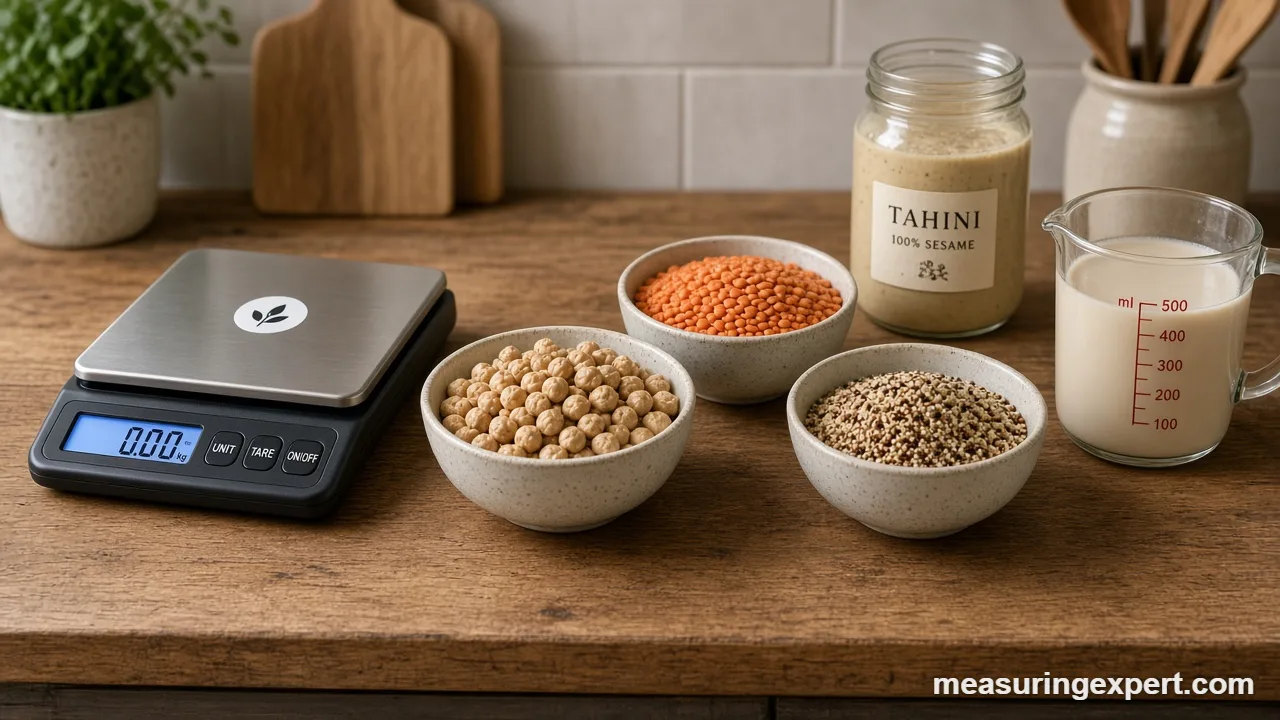
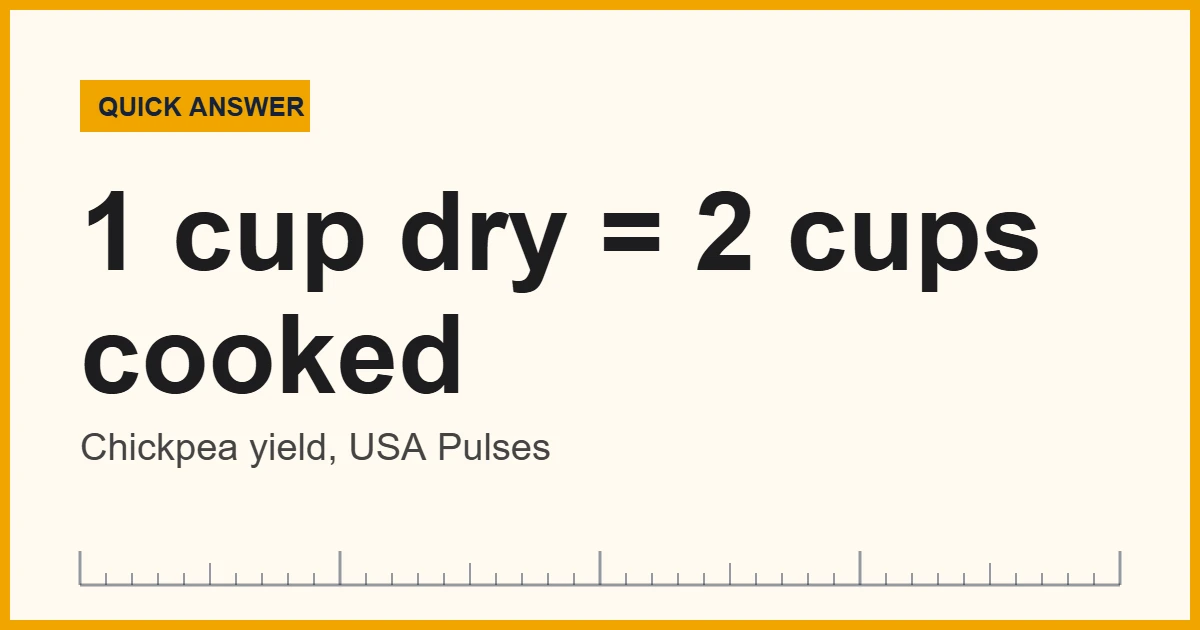
Plant-based cooking measurements are simplest by weight. Weigh grains, nuts, flours and nut butters in grams, and use cooked yields for legumes: 1 cup of dry chickpeas makes about 2 cups cooked, and 1 pound of dry beans makes 5 to 6 cups. Swap plant milks 1:1 by volume.
Plant-Based Cooking Measurements Converter for Cups and Spoons
First, enter an amount of oil, plant milk or broth and pick its unit. The converter then shows the same volume in cups, tablespoons, teaspoons and milliliters, so you can scale a recipe up or down. However, for solid ingredients such as oats or beans, use the weight tables further down instead, because cups of solids vary.
In general, recipes built on vegetables, grains and legumes behave differently from recipes built on meat and dairy. For example, a cup of dry lentils and a cup of cooked lentils hold very different amounts of food. As a result, plant-based cooking measurements need two checks: which form of the ingredient the recipe means, and whether it is listed by volume or by weight.
This guide stays on savory, everyday cooking. First come weights for common pantry staples. Next come dry-to-cooked yields for legumes, then plant milk swaps, tools, and a step-by-step method. However, for cakes, cookies and egg replacers, see our guide to vegan baking measurements. Similarly, for brothy dishes, soup and stew measurements covers pot size and portions.
Plant-Based Cooking Measurements at a Glance
- Weigh dense, variable ingredients such as nut butter, flour, seeds and oats; a cup of each can differ widely in grams.
- 1 cup of dry chickpeas yields about 2 cups cooked; 1 cup of dry lentils yields 2 to 2 1/2 cups.
- 1 pound of dry beans yields about 5 to 6 cups cooked, and a 15 1/2 oz can holds about 1 2/3 cups.
- Most plant milks swap 1:1 by volume; choose unsweetened for savory dishes.
- Write down which form a recipe means: dry, soaked, cooked or canned.
Plant-Based Cooking Measurements by Weight: Pantry Staples
To start, King Arthur Baking publishes a large ingredient weight chart that lists grams per cup for hundreds of foods. For this reason, the table below pulls out the plant-based staples that come up most in savory cooking. In addition, the per-tablespoon column is simply the per-cup weight divided by 16, rounded to one decimal.
| Ingredient | Grams per US cup | Ounces per cup | Grams per tablespoon |
|---|---|---|---|
| Rolled oats (King Arthur) | 113 g | 4 oz | 7.1 g |
| Quinoa, uncooked, whole | 177 g | 6 1/4 oz | 11.1 g |
| Quinoa, cooked | 184 g | 6 1/2 oz | 11.5 g |
| Brown rice, cooked | 170 g | 6 oz | 10.6 g |
| Chickpea flour | 85 g | 3 oz | 5.3 g |
| Whole cashews | 113 g | 4 oz | 7.1 g |
| Peanut butter | 270 g | 9 1/2 oz | 16.9 g |
| Tahini | 256 g | 9 oz | 16.0 g |
| Chia seeds | 148 g | 5 1/3 oz | 9.3 g |
| Vegetable oil | 198 g | 7 oz | 12.4 g |
| Maple syrup | 312 g | 11 oz | 19.5 g |
| Canned coconut milk, well shaken | 241 g | 8 1/2 oz | 15.1 g |
The peanut butter, tahini and chia rows come from King Arthur’s half-cup and quarter-cup entries, which are scaled here to one full cup. For example, the numbers sit far apart: a cup of chickpea flour weighs 85 g, while a cup of peanut butter weighs 270 g. Therefore, swapping one for the other by volume would change a recipe completely. If you need a refresher on the ounce itself, see how much an ounce is.
Dry to Cooked: Legume Yields for Plant-Based Cooking Measurements
Legumes are where plant-based cooking measurements go wrong most often. For instance, a recipe that lists “2 cups chickpeas” could mean dry, cooked or canned. USA Pulses, the trade group for US pulse growers, gives stovetop ratios per 1 cup of dry pulse. The table below combines those figures with extension guidance from North Dakota State University and the University of Idaho.
| Per 1 cup dry | Water | Simmer time | Cooked yield | Soak first? |
|---|---|---|---|---|
| Chickpeas | 2 to 3 cups | 1 1/2 to 2 hours | about 2 cups | Yes, 8 to 24 hours or quick soak |
| Lentils (most types) | 2 to 2 1/2 cups | 15 to 40 minutes | 2 to 2 1/2 cups | No |
| Split red lentils | 2 1/2 cups | 5 to 10 minutes | about 2 cups | No |
| Split peas | 2 cups | 30 to 40 minutes | about 2 cups | No |
| Dry beans (general) | 2 cups | 1 to 2 hours | about 2 cups | Yes, 6 to 8 hours or quick soak |
However, the sources disagree slightly on water and lentil yield, which is why the table shows ranges. Cooking time also depends on how old the beans are and how hard your water is. For bulk planning, the University of Idaho brochure says 1 pound of dry beans yields about 5 to 6 cups cooked. It also says one 15 1/2 oz can equals about 1 2/3 cups of cooked beans.
Plant-Based Cooking Measurements for Bulk Beans: Pounds and Cans
In addition, putting that into metric helps with bigger batches. One pound is 453.6 g, and 5 to 6 cups is roughly 1.2 to 1.4 L of cooked beans. Likewise, a 15 1/2 oz can weighs about 439 g with its liquid, but the beans alone are closer to 1 2/3 cups (about 394 mL).
Recommended Tools for Plant-Based Cooking Measurements
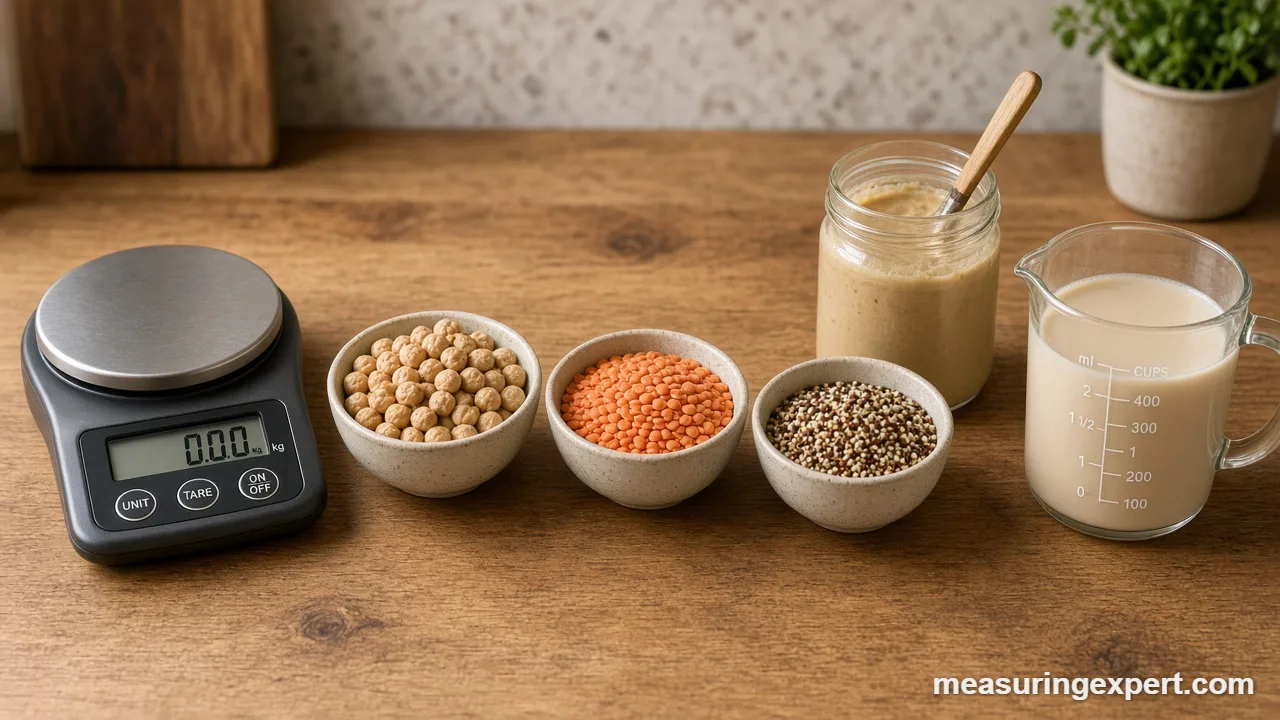
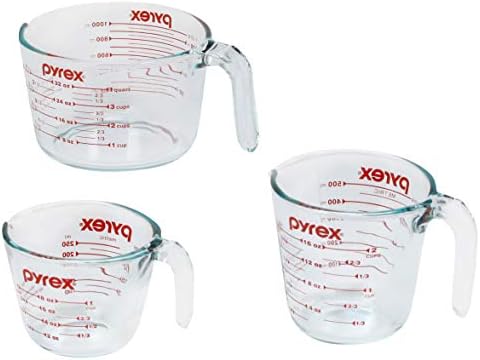
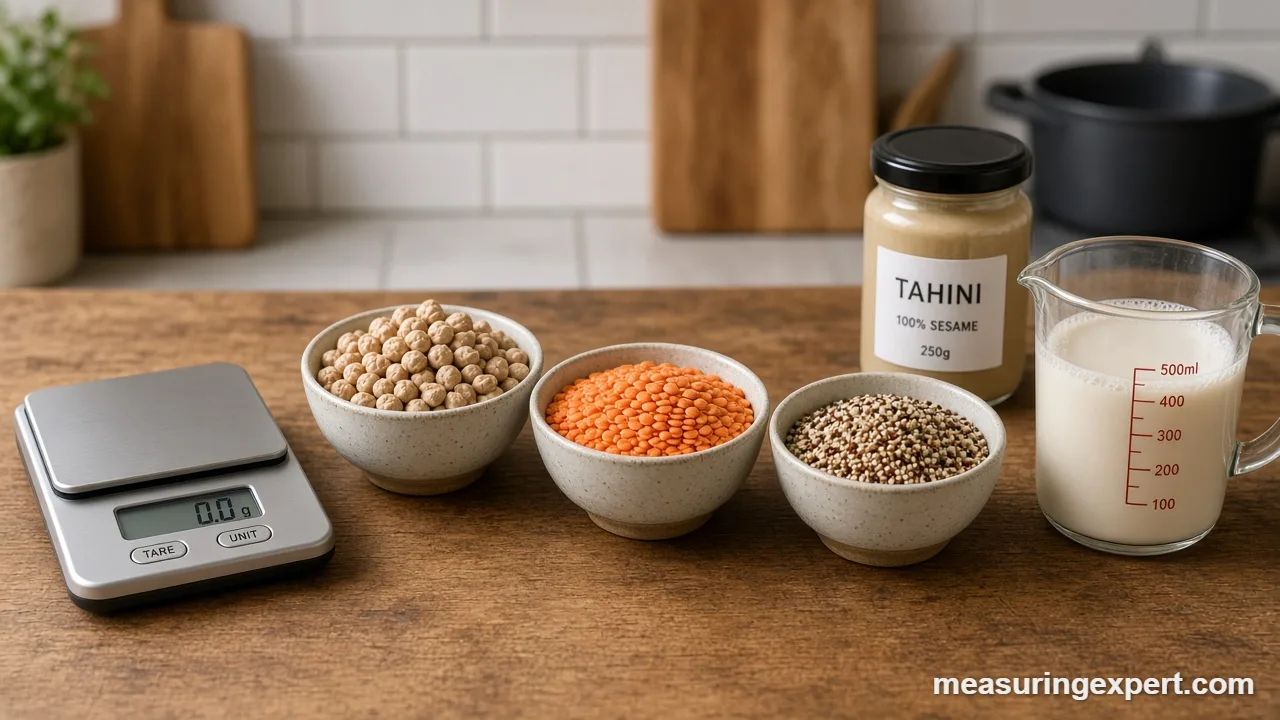
First, a small digital scale solves most of the problems above, because it handles dry grains, nut butters and canned goods in one bowl with the tare button. In addition, a set of sturdy measuring spoons and nesting cups covers oils, spices and plant milks. For liquids, a clear glass measuring cup with a spout is easier to read at eye level.



As an Amazon Associate, Measuring Expert earns from qualifying purchases.
Plant Milk Swaps in Plant-Based Cooking Measurements
In savory cooking, plant milks usually replace dairy milk one for one by volume. One US cup is 236.6 mL, while nutrition labels round a cup to 240 mL, so the difference is too small to matter in a soup or sauce. Consequently, the main decisions are about flavor and thickness, not quantity.
| Situation | What to measure | Why |
|---|---|---|
| Creamy soups and sauces | Same volume as the dairy milk, unsweetened | Sweetened versions add sugar and a vanilla note that clash with savory dishes. |
| Curries and stews | Canned coconut milk, 241 g per cup | King Arthur lists a well-shaken cup at 241 g, so weigh it if the can has separated. |
| Mashed potatoes and gratins | Start with 3/4 of the milk called for, then add | Plant milks differ in thickness, so add the last quarter slowly. |
| Batters for fritters | Same volume, then adjust by tablespoon | Thinner milks need a little extra flour; thicker ones need a splash more liquid. |
First, shake cartons before measuring. Otherwise, settled solids can make the first cup thinner than the last. Also remember that the weight of a cup of plant milk varies by brand, so a scale reading is only a guide.
How to Scale a Plant-Based Recipe Step by Step
- Identify the form of each ingredient. Mark dry, soaked, cooked or canned next to every legume and grain.
- Convert to grams where possible. Next, use the weight table above for flours, nuts, seeds and nut butters.
- Weigh into one bowl. Then place the bowl on the scale, press tare, and add each ingredient in turn.
- Scale by one factor. Then multiply every quantity by the same number, for example 1.5 for a half-size increase.
- Measure liquids last. Finally, use the converter above for oils and milks, and read the measuring cup at eye level.
- Season in stages. Add about two thirds of the salt and spices, taste, and then adjust, since scaled recipes rarely need a perfectly scaled amount of seasoning.
- Write down what worked. Record the final weights so the next batch is consistent.
Common Plant-Based Cooking Measurements Mistakes
Do
- Check whether a legume amount is dry, cooked or canned.
- Drain and rinse canned beans before measuring cups.
- Weigh nut butters instead of scooping them.
- Shake coconut milk cans and plant milk cartons.
- Soak large beans, but skip soaking for lentils and split peas.
Don’t
- Swap peanut butter for flour by volume.
- Salt beans at the start of cooking.
- Assume all lentils cook in the same time.
- Pack grains into a cup unless told to.
- Scale spices exactly when doubling a big batch.
Storing Cooked Legumes and Grains
Also, measuring cooked legumes in portions makes meal prep easier. The University of Idaho says cooked beans keep up to 5 days in the refrigerator, and up to 3 months in a conventional freezer. Therefore, freeze beans in 1 2/3 cup portions to match one 15 1/2 oz can.
Honest Limits of Cup and Weight Conversions
In short, every figure here is an average. For one thing, cooked yields depend on the variety, the age of the legume, the soak and the water. Likewise, weights per cup depend on how the ingredient is filled and on the brand. For example, King Arthur lists its own rolled oats at 113 g per cup and old-fashioned or quick-cooking oats at 89 g. So treat these numbers as a reliable starting point, and then adjust by taste, texture and your own scale.
When to Ask a Dietitian
However, these weights help with cooking, not with nutrition planning. If you follow a plant-based diet for a medical reason, or need exact protein, sodium or calorie targets, talk with a registered dietitian. Nutrient content differs by brand, so use the package label for your own numbers.
Frequently Asked Questions
What are the best plant-based cooking measurements to start with?
First, start with a digital scale and the tare button. Weigh nut butters, flours, oats and seeds in grams, and measure oils and plant milks by volume in cups, tablespoons or milliliters.
How many cups of cooked chickpeas come from 1 cup dry?
One cup of dry chickpeas yields about 2 cups cooked, according to USA Pulses. Soak them first, then simmer for roughly 1 1/2 to 2 hours.
How many cups of cooked beans are in 1 pound of dry beans?
One pound of dry beans yields about 5 to 6 cups cooked, according to the University of Idaho. In other words, that equals about 1.2 to 1.4 liters.
How much is one can of beans in cups?
A 15 1/2 oz can holds about 1 2/3 cups of cooked beans, according to the University of Idaho. Also, drain and rinse before measuring.
Do lentils need soaking?
No. Lentils and split peas cook without soaking, so rinse them and simmer. Most lentils take 15 to 40 minutes, and split red lentils take 5 to 10.
Can I swap plant milk for dairy milk 1:1?
In most savory recipes, yes. For that reason, use the same volume, choose an unsweetened version, and add the last quarter slowly in sauces and mashed dishes.
How many grams are in a cup of cooked quinoa?
King Arthur lists 1 cup of cooked quinoa at about 184 g (6 1/2 oz). In comparison, uncooked whole quinoa is about 177 g per cup.
How many grams is a tablespoon of peanut butter?
About 17 g, based on King Arthur’s figure of 135 g per half cup. Likewise, a cup is about 270 g.
Why do plant-based cooking measurements differ between websites?
First, brands, packing methods and cooking times differ. Sources also round differently, which is why legume yields appear as ranges such as 2 to 2 1/2 cups per cup of dry lentils.
Should I weigh dry beans or cooked beans?
In either case, weigh whichever form the recipe lists. If the recipe says cooked, weigh after cooking and draining. Otherwise, if it says dry, weigh before soaking.
Plant-Based Cooking Measurements: The Bottom Line
To sum up, weigh the dense ingredients, convert legumes with the dry-to-cooked yields above, and swap plant milks by volume. As a result, your savory dishes will come out the same from one batch to the next.
Finally, keep a scale on the counter, label each legume as dry, cooked or canned, and use the converter at the top for oils and milks. For desserts, continue with the vegan baking guide linked above.