

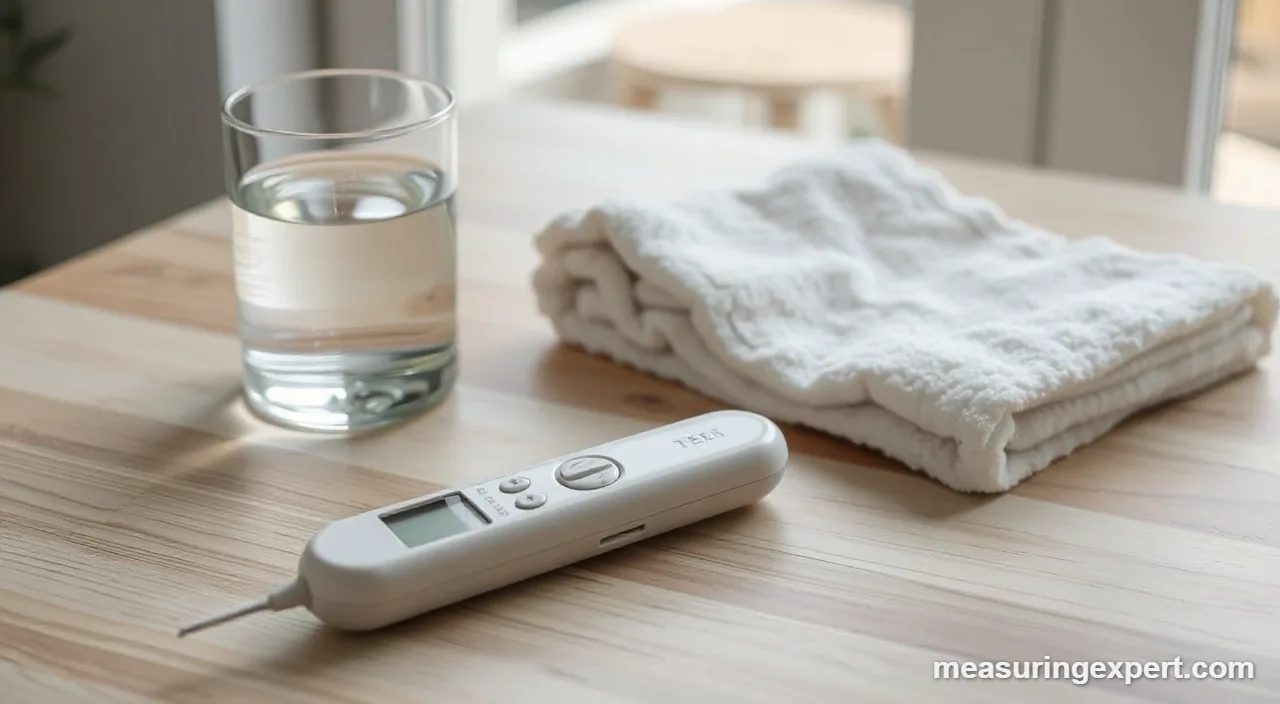
Normal body temperature averages about 98.6 F (37 C), with a healthy range of roughly 97 F to 99 F (36.1 C to 37.2 C). Oral readings run 97.6 to 99.6 F for ages 11 to 65 and a little lower for adults over 65. A fever is a reading above 100.4 F (38 C).
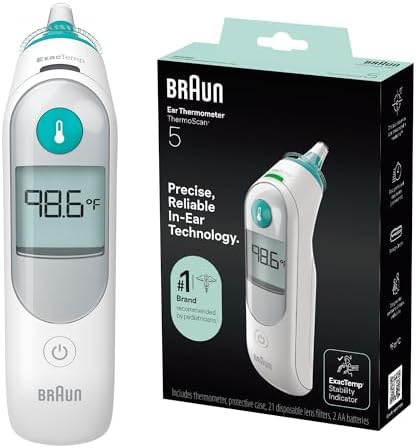


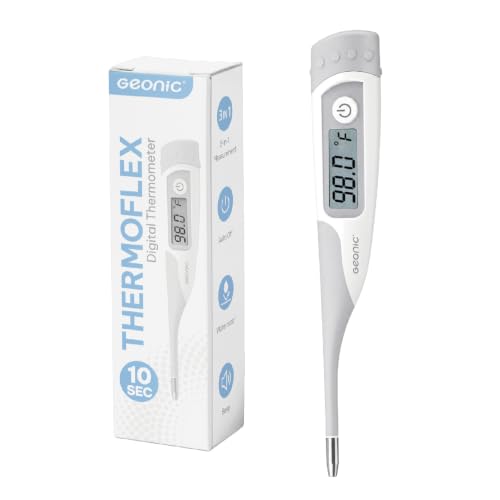
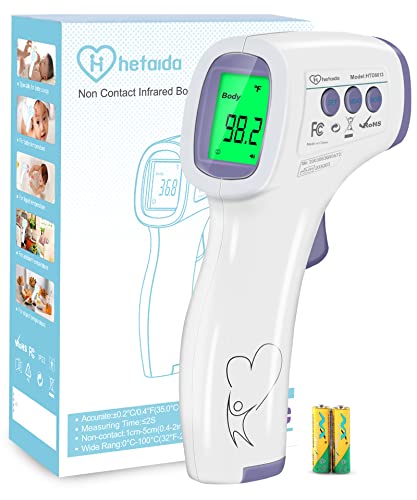
Black Friday week: get the picks above delivered fast with Prime
As an Amazon Associate, Measuring Expert earns from qualifying purchases.
Body Temperature Converter: Fahrenheit to Celsius
Enter a reading in degrees Fahrenheit to see Celsius and Kelvin. The box starts at the commonly cited average of 98.6 F.
“What is normal?” sounds like a one-number question, but body temperature is not a fixed number. It changes with age, activity, the time of day, and even how you take the reading.
The 98.6 F (37 C) figure everyone remembers is an average. According to MedlinePlus, studies show a normal range from 97 F (36.1 C) to 99 F (37.2 C), and a temperature over 100.4 F (38 C) most often means a fever caused by infection or illness.
This page gives a chart of normal ranges by age, explains what counts as a fever, compares the common ways to take a temperature, and shows how to convert Fahrenheit to Celsius. It is general education, not medical advice. If you or a child in your care seems unwell, contact a doctor.
- Body Temperature Converter: Fahrenheit to Celsius
- Normal Body Temperature by Age
- What Counts as a Fever and When Low Is a Concern
- Oral, Forehead, Ear, and Underarm Readings Compared
- Why Your Number Changes During the Day
- How to Take an Accurate Oral Temperature
- How to Convert Fahrenheit to Celsius
- Do and Do Not When Checking a Temperature
- When to Call a Doctor
- Honest Limits of These Ranges
- FAQs
Normal Body Temperature by Age
The ranges below are oral readings reported by Cleveland Clinic. They are guides, not rules, and a reading slightly outside a range is not automatically a problem.
| Age group | Normal range (F) | Normal range (C) |
|---|---|---|
| Birth to 10 years | 95.9 to 99.5 | 35.5 to 37.5 |
| 11 to 65 years | 97.6 to 99.6 | 36.4 to 37.6 |
| Over 65 years | 96.4 to 98.5 | 35.8 to 36.9 |
Notice that older adults run a little cooler. A reading that looks normal on this chart can still matter if the person usually runs lower, so compare with their own baseline when you can.
What Counts as a Fever and When Low Is a Concern
A temperature above 100.4 F (38 C) is generally considered a fever. Children can run fevers that climb to 103 F, 104 F, or even 105 F, and those need quick medical advice.
A fever that lingers for more than two days, or a child's fever that does not come down with fever reducers, also deserves a call to the doctor.
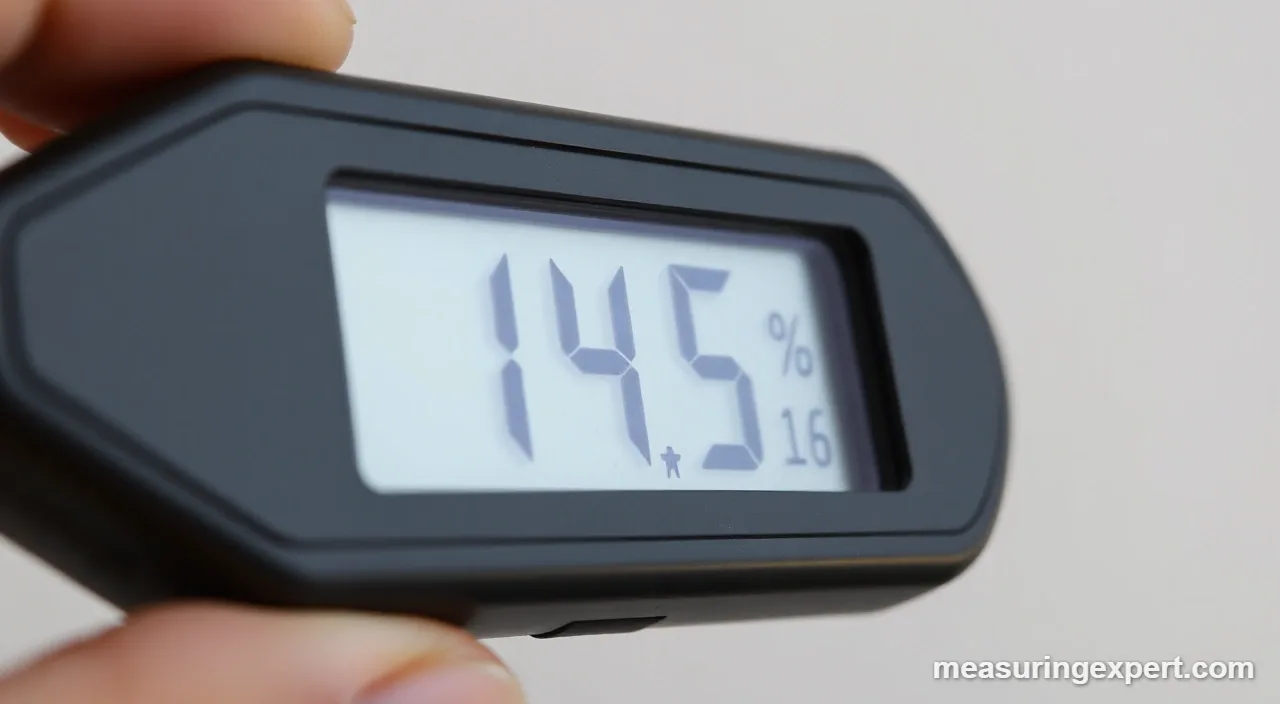
Oral, Forehead, Ear, and Underarm Readings Compared
| Method | What to expect | Good for |
|---|---|---|
| Under the tongue (oral) | Usually reads a bit higher than forehead or underarm; more accurate than external methods | Older children and adults who can hold the probe still |
| Forehead | Quick and easy, but less accurate | Quick checks, sleeping children |
| Underarm | Easy, but less accurate | Screening when other methods are not practical |
| Ear | Fast with a correct fit; follow the maker’s instructions closely | Quick home checks when the probe fits well |
The key point is consistency. Use the same method and the same thermometer when you compare readings over several hours, and note which one you used. Ask your pediatrician which method suits a baby or toddler.
Why Your Number Changes During the Day
Temperature is not constant. MedlinePlus notes that normal temperature varies with the person, age, activity, and time of day, and that in adults it is lowest in the early morning. Exercise, a warm room, or a hot drink just before you measure can push a reading up.
That is why a single reading of 99.2 F in the afternoon after a walk tells you much less than a reading taken at rest, a few times, under the same conditions.
How to Take an Accurate Oral Temperature
- Read the instructions that came with your thermometer.
- Wait until after eating, drinking, or exercising so the reading is not skewed.
- Place the tip under the tongue toward the back of the mouth and close your lips.
- Hold still until the thermometer signals it is done.
- Write down the number with the time and the method used.
How to Convert Fahrenheit to Celsius
Subtract 32 from the Fahrenheit reading, then multiply by 5/9. For example, 98.6 F minus 32 is 66.6; multiplied by 5/9 that equals 37.0 C. To go from Celsius to Fahrenheit, multiply by 9/5 and add 32. Kelvin is Celsius plus 273.15, which matters in science but rarely in a home setting. For more conversions, see our guide to converting units by hand.
Do and Do Not When Checking a Temperature
Do
- Use a clean thermometer made for the method you choose.
- Take readings at rest.
- Record the number, time, and method.
- Call a doctor for fever in a young infant.
Do not
- Compare an oral reading with a forehead reading as if they were identical.
- Panic over a single reading a few tenths off.
- Ignore symptoms because the number looks normal.
- Use a thermometer in a way the maker does not recommend.
When to Call a Doctor
Contact a doctor or pediatrician for any fever in an infant younger than 3 months, a fever that lasts more than two days, a child's fever that does not respond to fever reducers, or persistent low-grade or high-grade fevers. Call emergency services if you suspect hypothermia. This page is general information, not a diagnosis, and it cannot replace professional medical advice.
Honest Limits of These Ranges
Ranges differ between sources, thermometers, and people. A healthy person may sit slightly above or below the typical range all the time. The ranges above come from a single clinic source for oral readings, while MedlinePlus gives a broader general range, so treat both as guides. Consumer thermometers also vary in accuracy, so check the manufacturer's instructions.
The thermometers above are based on manufacturer specs and buyer reports; we have not tested them. Read each listing before you buy, and ask a pharmacist or doctor if you are unsure which type suits your household. For more thermometer options, see our best thermometer guide.
FAQs
What is normal body temperature?
About 98.6 F (37 C) on average, with a healthy range of roughly 97 F to 99 F (36.1 C to 37.2 C).
What is normal body temperature for adults over 65?
Cleveland Clinic lists oral readings of 96.4 F to 98.5 F (35.8 C to 36.9 C) for people over 65.
What is normal body temperature for children?
Cleveland Clinic lists oral readings of 95.9 F to 99.5 F (35.5 C to 37.5 C) from birth to 10 years.
What temperature is a fever?
A reading above 100.4 F (38 C) is generally considered a fever.
Is 99 degrees a fever?
No. It falls within the commonly cited normal range, though you should consider how you feel and talk to a doctor if you are worried.
Is 97 degrees normal?
Yes, it can be. The range given by MedlinePlus starts at 97 F (36.1 C).
Does body temperature change during the day?
Yes. In adults it is lowest in the early morning, and activity or a warm environment can raise it.
Which type of thermometer is most accurate?
Oral readings are generally more accurate than forehead or underarm readings. Follow the manufacturer instructions for any thermometer.
When should I call a doctor about a temperature?
For any fever in an infant under 3 months, a fever lasting more than two days, or a child fever that does not come down with fever reducers.
How do I convert Fahrenheit to Celsius?
Subtract 32 and multiply by 5/9. For example, 98.6 F is 37 C.
The Short Version
Normal body temperature is about 98.6 F (37 C), with a range of roughly 97 F to 99 F that shifts a little with age and time of day. A fever starts above 100.4 F (38 C).
Use the same thermometer and method when you compare readings, and call a doctor for any fever in a young infant or a fever that does not go away. Use the converter above to switch between Fahrenheit and Celsius.
Listen to a free audiobook while you cook, work or wait