

There are 35.274 ounces in a kilo. In fact, 1 kilogram equals exactly 1,000 grams, and one avoirdupois ounce is exactly 28.349523125 g, so 1 kg = 35.27396 oz, or 2 lb 3.27 oz. For gold and silver, however, the troy ounce applies: 1 kg = 32.1507 troy ounces.
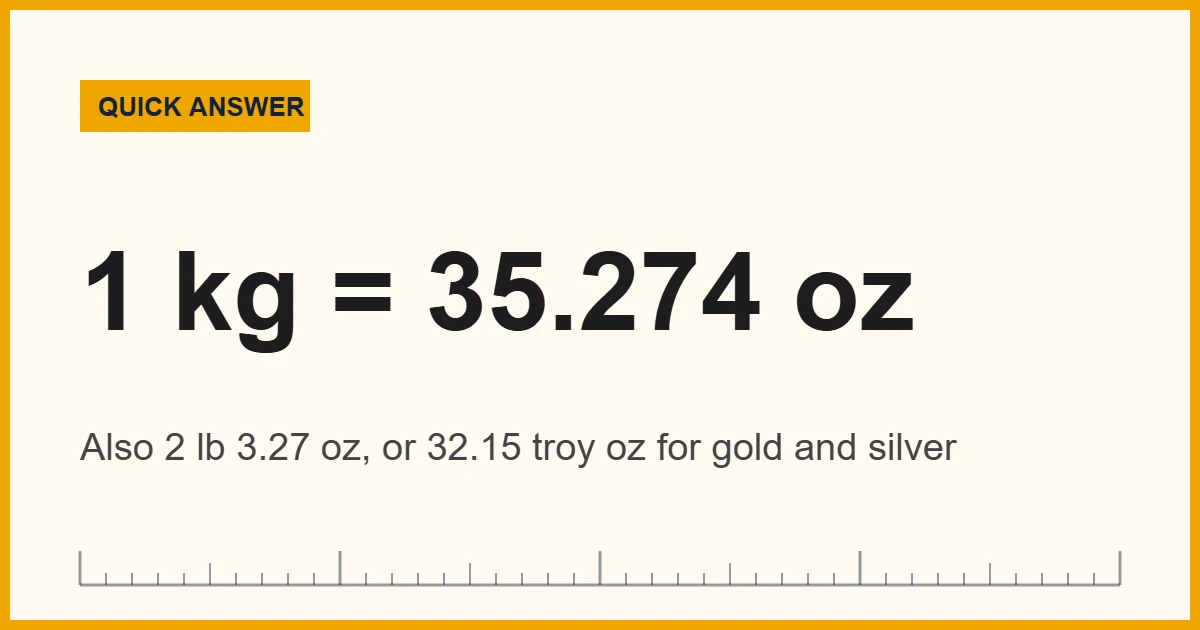
Convert Kilos to Ounces and Pounds
First, enter any weight in kilograms below. The converter then shows ounces, pounds and grams, using the exact NIST definitions. You can also switch the starting unit to ounces or pounds to go the other way.
To begin with, a kilo is simply the everyday name for a kilogram, the SI base unit of mass. For example, you meet it on bags of flour, airline baggage limits, gym plates and bulk coffee. The ounce, on the other hand, is the small US customary unit on food labels and kitchen scales. So whenever a European recipe, a package from abroad or a shipping form gives a weight in kilos, you need a quick, reliable conversion.
Above all, the number never changes. Since 2019, the kilogram rests on a fixed value of the Planck constant, as the International Bureau of Weights and Measures (BIPM) explains. Meanwhile, the US pound has been exactly 0.45359237 kg since 1959, and the ounce is one sixteenth of that pound. As a result, the conversion is exact arithmetic, not an estimate.
Ounces in a Kilo: Quick Conversion Chart
Specifically, this chart covers the weights people convert most often. First find your kilos on the left; then read across for avoirdupois ounces, troy ounces and pounds. Also, all values come from the exact definitions, rounded to two decimals.
| Kilograms | Ounces (oz) | Troy ounces (ozt) | Pounds (lb) |
|---|---|---|---|
| 0.1 kg (100 g) | 3.53 | 3.22 | 0.22 |
| 0.25 kg (250 g) | 8.82 | 8.04 | 0.55 |
| 0.5 kg (500 g) | 17.64 | 16.08 | 1.10 |
| 0.75 kg | 26.46 | 24.11 | 1.65 |
| 1 kg | 35.27 | 32.15 | 2.20 |
| 1.5 kg | 52.91 | 48.23 | 3.31 |
| 2 kg | 70.55 | 64.30 | 4.41 |
| 2.5 kg | 88.18 | 80.38 | 5.51 |
| 3 kg | 105.82 | 96.45 | 6.61 |
| 5 kg | 176.37 | 160.75 | 11.02 |
| 10 kg | 352.74 | 321.51 | 22.05 |
| 20 kg | 705.48 | 643.01 | 44.09 |
| 25 kg | 881.85 | 803.77 | 55.12 |
| 50 kg | 1,763.70 | 1,607.54 | 110.23 |
Printable tip: save or print this chart and tape it inside a kitchen cabinet. In addition, for smaller amounts in grams, our guide to converting ounces to grams for cooking has a gram-level chart.
How Many Pounds and Ounces in a Kilo?
However, most US scales and recipes do not show 35.27 oz. Instead, they show pounds plus leftover ounces. To get that format, therefore, divide the total ounces by 16. Then the whole number gives the pounds, and the remainder gives the ounces.
| Kilograms | Pounds + ounces | Decimal pounds |
|---|---|---|
| 0.5 kg | 1 lb 1.64 oz | 1.102 lb |
| 1 kg | 2 lb 3.27 oz | 2.205 lb |
| 1.5 kg | 3 lb 4.91 oz | 3.307 lb |
| 2 kg | 4 lb 6.55 oz | 4.409 lb |
| 2.5 kg | 5 lb 8.18 oz | 5.512 lb |
| 3 kg | 6 lb 9.82 oz | 6.614 lb |
| 5 kg | 11 lb 0.37 oz | 11.023 lb |
| 10 kg | 22 lb 0.74 oz | 22.046 lb |
| 23 kg (common bag limit) | 50 lb 11.30 oz | 50.706 lb |
For example, a 2.5 kg chicken weighs 88.18 oz. Dividing by 16 gives 5 with 8.18 left over, so the bird weighs 5 lb 8.18 oz. Similarly, a 23 kg checked bag is a little over 50 lb, which is why airlines treat the two limits as the same.
How Many Troy Ounces in a Kilo of Gold?
Precious metals, however, use a different ounce. In particular, a troy ounce weighs exactly 31.1034768 g, about 10 percent more than a regular ounce. Because of that, there are fewer troy ounces in a kilo: 32.1507 ozt. A standard 1 kg gold or silver bar therefore holds 32.15 troy ounces of metal.
The old post on this page also gave a dollar value for a kilo of gold. We removed it, because gold prices change every minute. Instead, multiply 32.1507 by the current spot price per troy ounce from your dealer.
| People confuse | Grams per ounce | Ounces in a kilo | Used for |
|---|---|---|---|
| Avoirdupois ounce (oz) | 28.349523125 g | 35.274 | Food, mail, body weight, everyday goods |
| Troy ounce (ozt) | 31.1034768 g | 32.151 | Gold, silver, platinum, bullion |
| US fluid ounce (fl oz) | 29.5735 mL (volume) | about 33.8 for 1 kg of water | Liquids by volume |
| UK fluid ounce | 28.4131 mL (volume) | about 35.2 for 1 kg of water | Liquids in older British recipes |
Why There Are 35.274 Ounces in a Kilo
In fact, the figure comes from two exact definitions. First, the international pound equals 453.59237 g. Next, one ounce is 1/16 of that pound, which makes it 28.349523125 g. Finally, divide 1,000 g by 28.349523125 g, and you get 35.27396195 ounces.
The NIST Guide to the SI lists these factors in its mass conversion table, including 0.02834952 kg per avoirdupois ounce and 0.03110348 kg per troy ounce. In other words, the only rounding you ever do is for display.
- Kilos to ounces: multiply by 35.274.
- Ounces to kilos: divide by 35.274, or multiply by 0.02835.
- Kilos to pounds: multiply by 2.20462.
- Grams to ounces: divide by 28.35.
The old version of this article also claimed that scientists use a “kilogram” of 1,000,000 grams. That is simply wrong, because there is only one kilogram, and it always equals 1,000 grams, in the lab and in the kitchen alike.
Is a Kilo the Same as a Kilogram?
Yes. In other words, “kilo” is short for kilogram, and both mean exactly 1,000 grams. The prefix kilo means one thousand, so a kilometer is 1,000 meters and a kilogram is 1,000 grams. Strictly speaking, however, the kilogram measures mass, while a scale reads the pull of gravity on that mass. On Earth, though, a bathroom or kitchen scale converts that pull straight back to kilograms, so in daily life the two ideas line up.
Recommended Scales for Weighing Kilos and Ounces
In general, a digital scale with a unit button does the conversion for you. For kitchen use, in particular, look for a capacity of at least 5 kg (11 lb), a tare button and a readout in both grams and ounces. For coins and small bullion, by contrast, a pocket scale with 0.01 g resolution and a troy ounce mode makes more sense.

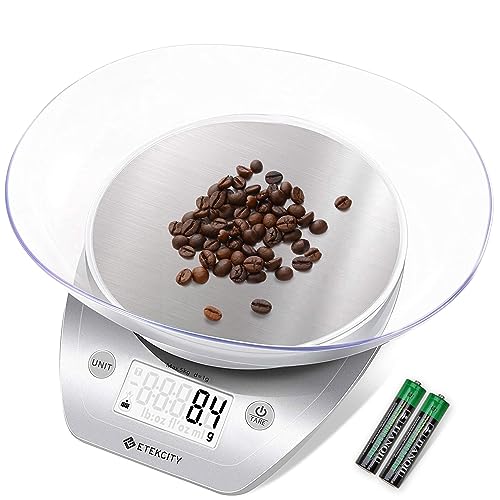

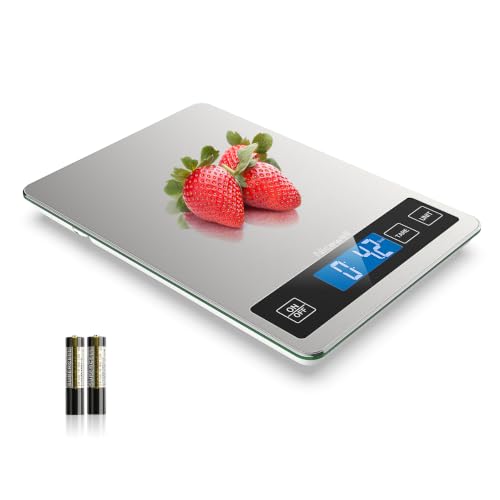

As an Amazon Associate, Measuring Expert earns from qualifying purchases.
How to Convert Kilos to Ounces by Hand
- Write down the weight in kilograms. If you start with grams, divide by 1,000 first.
- Multiply by 35.274. As a result, this gives the total avoirdupois ounces. For gold or silver, multiply by 32.1507 instead.
- Divide the ounces by 16 for pounds. Then keep the whole number as pounds.
- Find the leftover ounces. Next, multiply the whole pounds by 16 and subtract that from the total ounces.
- Round only at the end. In general, two decimals is plenty for cooking and shipping.
- Check with the converter above. Then enter the same kilos and compare your answer.
For instance, here is a worked example for 1.5 kg. To begin, 1.5 x 35.274 = 52.91 oz. Then 52.91 / 16 = 3.31, so there are 3 whole pounds. Lastly, 52.91 – 48 = 4.91 oz, which gives 3 lb 4.91 oz.
Ounces in a Kilo: Do and Don’t
Do
- Use 35.274 for food, parcels and body weight.
- For metals, however, switch to 32.1507.
- Tare the bowl before you weigh an ingredient.
- Keep extra decimals until the final step.
- Also check whether a label means weight or fluid ounces.
Don’t
- Assume a fluid ounce weighs one ounce.
- Round 2.2046 to 2 when the weight is large.
- Trust a toy scale for postage or bullion.
- Mix pounds-plus-ounces with decimal pounds.
- Rely on a stale gold price from an old article.
Honest Limits of Kilo-to-Ounce Numbers
The conversion factor is exact; your scale, however, is not. For example, a typical kitchen scale reads in 1 g or 0.1 oz steps, so it can only show a kilo as 35.3 oz, not 35.27396. Also, cheap scales drift with low batteries and uneven counters. In short, the math is perfect, while the measurement carries the usual small errors.
Volume, moreover, brings its own problem. Many people want a kilo of flour or sugar in cups or fluid ounces. Since a cup of flour weighs far less than a cup of water, though, no single volume answer exists. For baking, therefore, weigh in grams whenever a recipe gives them. Our guide to converting American recipes to metric also explains how.
When an Exact Kilo-to-Ounce Value Matters
- Shipping and postage. Carriers round up to the next ounce or pound, so even 0.1 oz can push a parcel into a higher price band.
- Precious metals. A kilo bar sells by the troy ounce, so always use 32.1507.
- Baby and medical weights. For instance, clinics often record weight in kilograms. For any dose or growth question, rely on your doctor’s figures rather than home conversions.
Ounces in a Kilo: Frequently Asked Questions
How many ounces in a kilo exactly?
There are 35.27396195 avoirdupois ounces in one kilogram. For most uses, 35.274 or simply 35.27 is accurate enough.
How many troy ounces are in a kilo?
One kilogram equals 32.1507 troy ounces, because a troy ounce weighs 31.1034768 g. For this reason, gold and silver bars use that figure.
What is 1 kg in pounds and ounces?
One kilogram is 2 lb 3.27 oz, which is the same as 2.20462 pounds in decimal form.
How many ounces in a kilo of water?
By weight, a kilo of water is 35.274 oz, like any other kilo. By volume, however, it fills about 1 liter, or roughly 33.8 US fluid ounces at room temperature.
How many ounces in half a kilo?
Half a kilo, or 500 g, equals 17.64 ounces, which is 1 lb 1.64 oz.
Is a kilo the same as a kilogram?
Yes. Kilo is the everyday short form of kilogram, and both equal exactly 1,000 grams.
How do I convert ounces back to kilos?
Divide the ounces by 35.274, or multiply them by 0.0283495. For example, 16 oz equals 0.4536 kg.
How many grams are in an ounce?
One avoirdupois ounce is exactly 28.349523125 g, usually rounded to 28.35 g. In comparison, a troy ounce is 31.1035 g.
Why do some sites say 35.2 ounces in a kilo?
Those sites round the figure for simplicity. However, the exact value is 35.27396, so 35.3 is the better one-decimal answer.
How many ounces are in a pound?
There are 16 avoirdupois ounces in a pound. Indeed, that fact comes from the definition of the ounce, not from cups or pints.
The Bottom Line
To sum up, a kilo holds 35.274 regular ounces, or 2 lb 3.27 oz, because the ounce is exactly 28.349523125 g. For gold and silver, use the troy figure of 32.1507 ounces instead.
Finally, keep the chart handy for common weights, and use the converter at the top of this page for anything unusual. Also, if a recipe or label mentions fluid ounces, remember that it describes volume, not weight.