

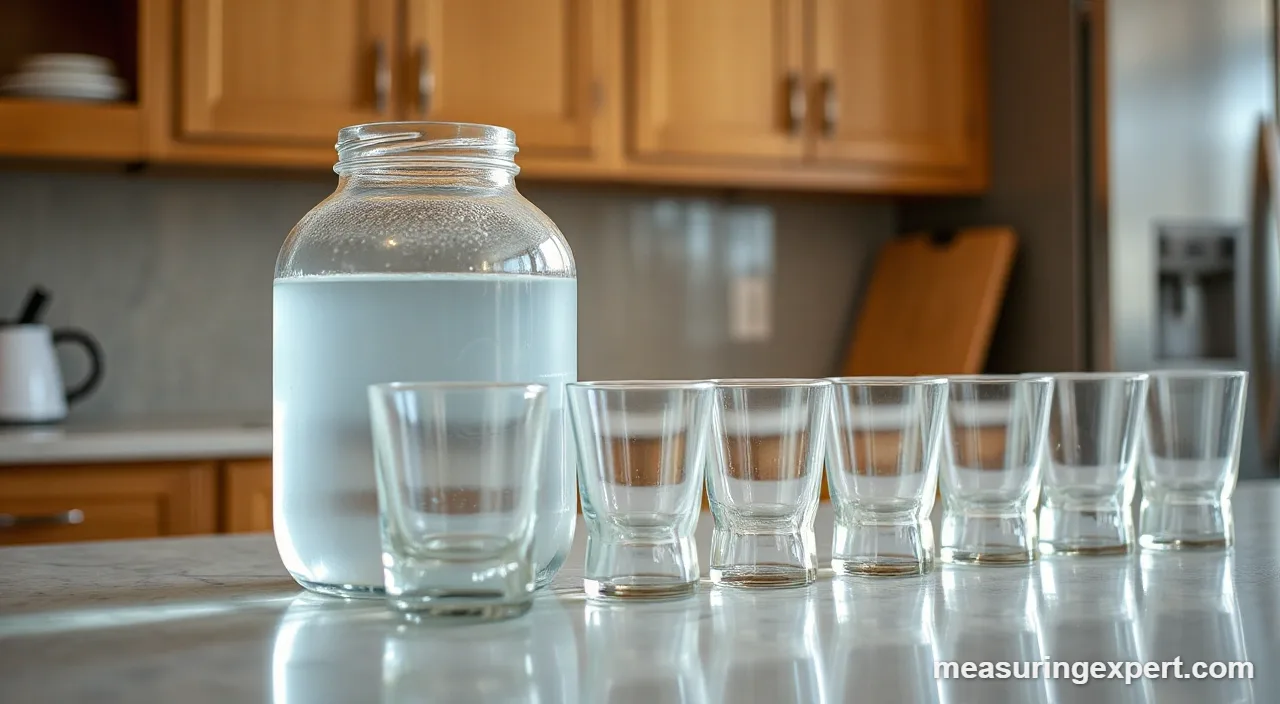
There are 16 cups in a US gallon. That is because a US gallon is exactly 128 US fluid ounces and a US cup is 8 fluid ounces (NIST Handbook 133). In metric, a gallon holds 3.785 liters, so 16 US cups equal 3,785 mL. Other countries use bigger or smaller cups, which changes the count.


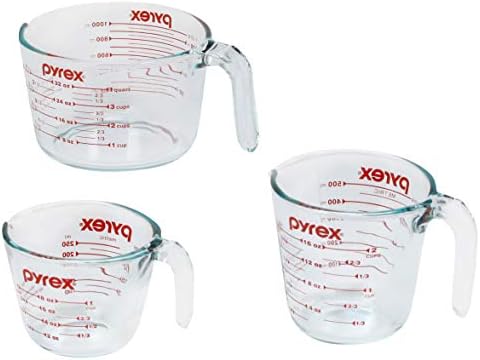
Buying from this list? Get it fast, and catch Black Friday deals, with Prime
As an Amazon Associate, Measuring Expert earns from qualifying purchases.
Gallons to Cups Converter
Enter any number of US gallons (the box starts at one) to see the matching US cups, quarts, pints, fluid ounces and liters. Everything is calculated from the exact US definitions.
Most recipes that call for a gallon of something, whether it is a pot of chili for a crowd, sweet tea for a picnic or brine for a turkey, hand you the volume in gallons and then leave you holding a one-cup measure. The sums are easy once you know the answer: 16 cups, filled one by one.
The reason the number is so tidy is that the US customary liquid system doubles at every step. Two cups make a pint, two pints make a quart, and four quarts make a gallon, so a gallon is 2 x 2 x 4 = 16 cups. NIST lists the gallon as 128 US fluid ounces exactly and the cup as 8 fluid ounces, which agrees with the arithmetic.
What changes the answer is which cup you mean. A metric cup, a nutrition-label cup and a UK cup are all slightly different from the US one, and a recipe from another country can quietly shift your total. The tables below separate them.
- Gallons to Cups Converter
- Cups in a Gallon Chart
- Which Cup Is in Your Recipe?
- Imperial Gallon vs US Gallon
- How Much a Gallon of Water Weighs
- How to Measure a Gallon With a One-Cup Measure
- Measuring Tools for Large Volumes
- Scaling a Recipe to a Gallon
- Do and Don’t
- Honest Limits
- When the Exact Count Matters
- FAQs
Cups in a Gallon Chart
This chart covers the US liquid measures from a pint up to a five-gallon bucket. The cups column is exact, and the milliliter column is rounded to the nearest whole number.
| US liquid measure | Cups | Fluid ounces | Milliliters |
|---|---|---|---|
| 1 pint | 2 cups | 16 fl oz | 473 mL |
| 1 quart | 4 cups | 32 fl oz | 946 mL |
| 1/2 gallon | 8 cups | 64 fl oz | 1,893 mL |
| 1 gallon | 16 cups | 128 fl oz | 3,785 mL |
| 1 1/2 gallons | 24 cups | 192 fl oz | 5,678 mL |
| 2 gallons | 32 cups | 256 fl oz | 7,571 mL |
| 5 gallons | 80 cups | 640 fl oz | 18,927 mL |
If a recipe uses ounces rather than cups, the cups to ounces guide shows how liquid and dry measures differ.
Which Cup Is in Your Recipe?
The count of 16 is for the US customary cup. Other places define the cup differently, and some recipes use a rounded label cup. Divide the gallon (3,785.4 mL) by the cup size you are using to get the count.
| Kind of cup | Size | Cups in a US gallon (3,785.4 mL) |
|---|---|---|
| US customary cup | 236.59 mL (8 fl oz) | 16.0 |
| US nutrition-label cup | 240 mL | 15.8 |
| Metric cup | 250 mL | 15.1 |
| Canadian cup | 227.3 mL | 16.7 |
| Imperial (UK) cup, 10 imperial fl oz | 284.13 mL | 13.3 |
Imperial Gallon vs US Gallon
The imperial gallon is larger than the US gallon: 4.546 liters against 3.785. In US cups, an imperial gallon is 19.2 cups, and in imperial cups of 10 imperial fluid ounces it is exactly 16. If an older British recipe asks for a gallon, scale it up by about 20 percent for American cups.
How Much a Gallon of Water Weighs
A gallon of water at room temperature weighs about 8.3 pounds, or roughly 3.78 kilograms, because 1 mL of water is close to 1 gram. That figure matters when you carry a full pot: 16 cups of water is more than 8 pounds before you add the pot itself. Milk, juice and syrups are heavier, as the guide to the weight of a gallon of milk explains.
How to Measure a Gallon With a One-Cup Measure
- Choose a container that holds at least one gallon, like a large pot, bucket or pitcher.
- Fill your cup to the rim and level it with a straight edge if you are measuring something thick, or read the line at eye level for water.
- Pour it in and keep count with tally marks or by moving a coin each time.
- Stop at 16 cups. If you use a 2-cup or 4-cup jug, stop at 8 or 4 fills.
- For a quick check, a one-gallon milk jug holds the same volume and can serve as a reference.
Measuring Tools for Large Volumes
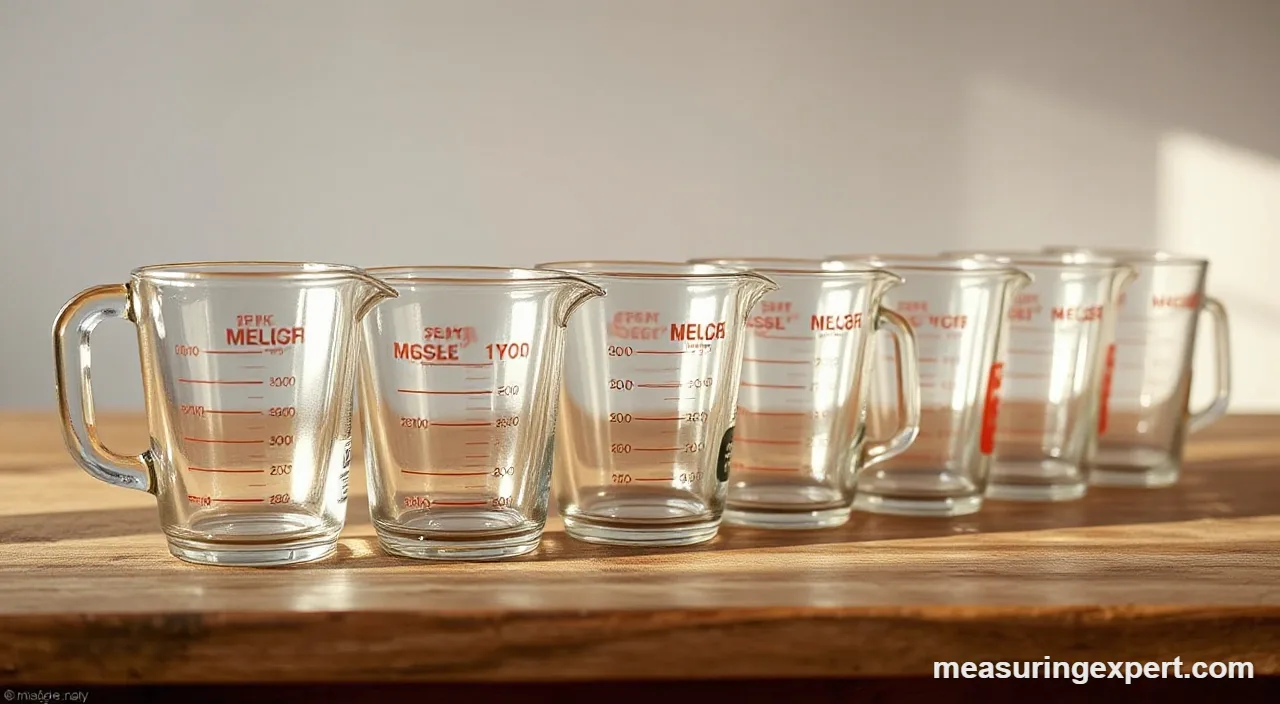
A 4-cup glass or plastic measuring jug is the workhorse for gallon-sized jobs. Look for markings that are molded in rather than printed, an angled or clear scale so you can read it from above, and a spout that pours cleanly. The tools near the top of this page are good matches. If you often batch drinks or soups, a marked bucket or a pitcher with a gallon line saves a lot of counting.
Scaling a Recipe to a Gallon
| Servings of 1 cup each | Gallons needed |
|---|---|
| 8 servings | 1/2 gallon |
| 16 servings | 1 gallon |
| 24 servings | 1 1/2 gallons |
| 32 servings | 2 gallons |
| 64 servings | 4 gallons |
Keep in mind that adding solid ingredients raises the final volume. A pot filled with 16 cups of liquid will not hold 16 cups of liquid plus the vegetables, so measure the finished volume after cooking if the count matters.
Do and Don’t
Do
- Check which country a recipe comes from.
- Use a marked jug for repeated fills.
- Round the gallon to 3.8 liters when you buy metric containers.
- Write the total on the container once you have measured it.
Don’t
- Assume a coffee mug is one cup.
- Mix cup sizes in the same recipe.
- Trust unmarked bottles as gallon measures.
- Fill a pot to the brim; leave room for stirring and boiling.
Honest Limits
Cup measures made at home vary. A typical measuring cup can be off by a few percent, so 16 fills can add up to a slightly different gallon. Printed gallon marks on jugs and buckets are also approximate, and a bucket sold as a gallon may hold a little more or less. For cooking, that is fine. For preserving, brining or anything with a salt ratio, weigh the salt and use a marked measure for the water.
When the Exact Count Matters
Canning brines, pickling solutions, aquariums and plant feeds depend on proportions, so a gallon measured loosely changes the strength. Follow the guide for the recipe or product you are using and measure with a marked container. Never use a kitchen cup to measure a medicine dose. Use the dosing device that comes with the medicine, and ask a pharmacist or doctor if you are unsure. Source for the unit definitions: the NIST Handbook 133 appendix.
FAQs
How many cups are in a gallon?
There are 16 US cups in a US gallon. A gallon is 128 US fluid ounces and each cup is 8 fluid ounces.
How many cups are in a half gallon?
A half gallon is 8 US cups, which equals 64 fluid ounces or 2 quarts.
How many cups are in a gallon of water?
Still 16 US cups. A gallon of water weighs about 8.3 pounds (3.78 kg) at room temperature.
How many cups are in an imperial gallon?
About 19.2 US cups, or 16 imperial cups of 10 imperial fluid ounces each. The imperial gallon is 4.546 liters.
How many 8-ounce glasses make a gallon?
Sixteen, since each glass is 8 fluid ounces and a gallon is 128.
How many metric cups are in a gallon?
About 15.1 metric cups of 250 mL, because a US gallon is 3,785.4 mL.
How many quarts and pints are in a gallon?
A gallon is 4 quarts or 8 pints in the US system.
How many cups of milk are in a gallon jug?
Sixteen US cups, the same as any other liquid, although milk weighs a little more than water.
How many cups of sugar or flour fit in a gallon?
That depends on how the ingredient packs. A gallon container holds 16 cups of anything by volume, but the weight differs by ingredient.
Is it safe to use a drinking cup as a measure?
Not for exact amounts. Drinking cups vary widely, so use a marked measuring cup, and use the dosing device that comes with any medicine.
In short
A US gallon holds 16 cups, 4 quarts, 8 pints and 128 fluid ounces. Use that count with US customary cups, and divide 3,785 mL by your own cup size if your recipe uses another kind.
For related conversions, see the half gallon ounce guide, which covers the US and imperial difference in more detail.
Prime for Young Adults: a longer free trial and a lower price after it