

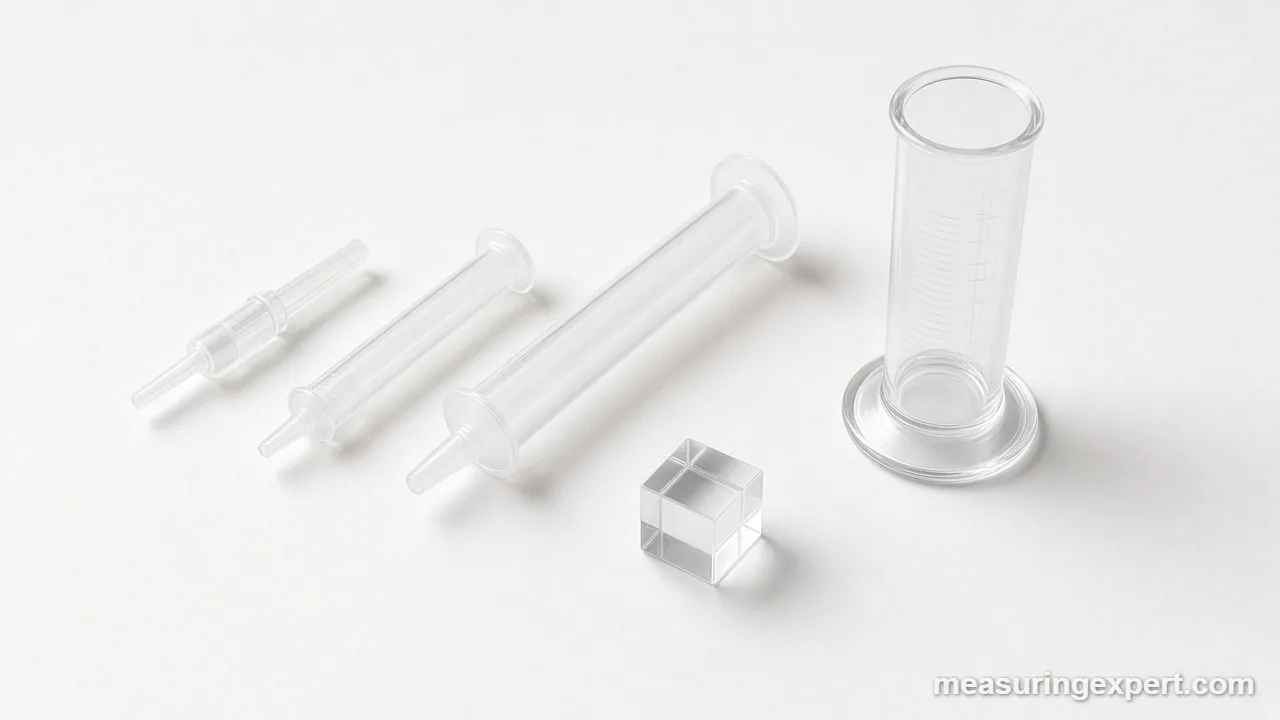
In measurement, cc stands for cubic centimeter, a unit of volume. One cc is the space inside a cube 1 centimeter on each side, and it equals exactly 1 milliliter (mL). So 5 cc is 5 mL, about 1 US teaspoon, and 1,000 cc is 1 liter, about 33.8 US fluid ounces.
Convert cc to mL, Teaspoons and Ounces
To start, enter any number of cubic centimeters below. The converter then shows the same volume in milliliters, US teaspoons, US tablespoons and US fluid ounces, using the exact NIST definitions.
You will run into cc in three places: on older syringes and medicine labels, on motorcycle and car engine specs, and in some recipes from Japan. Each time, though, it means the same thing. In fact, it is simply a volume written as length times width times height, with every side in centimeters.
Also, the link to milliliters is a definition, not a rounding. The US National Institute of Standards and Technology (NIST) explains on its SI units of volume page that the milliliter is a special name for the cubic centimeter. In other words, 1 cm3 and 1 mL are two labels for one amount. Likewise, 1,000 cubic centimeters make 1 cubic decimeter, which is 1 liter.
So why do two names exist? In short, the answer is history. Medicine and engineering adopted “cc” long ago, while the modern metric system (SI) prefers mL for liquids and cm3 in science. Today, however, hospitals are moving away from the old label for a safety reason that we explain below.
cc Conversion Chart
First, the chart covers the amounts people search for most. Because 1 cm3 equals 1 mL, the first column shows both labels together. Meanwhile, the spoon and ounce columns use US customary units, rounded to two or three decimals.
| Cubic centimeters and mL | US teaspoons | US fluid ounces |
|---|---|---|
| 1 cm3 = 1 mL | 0.20 tsp | 0.034 fl oz |
| 2.5 cm3 = 2.5 mL | 0.51 tsp | 0.085 fl oz |
| 5 cm3 = 5 mL | 1.01 tsp | 0.169 fl oz |
| 10 cm3 = 10 mL | 2.03 tsp | 0.338 fl oz |
| 15 cm3 = 15 mL | 3.04 tsp | 0.507 fl oz |
| 20 cm3 = 20 mL | 4.06 tsp | 0.676 fl oz |
| 30 cm3 = 30 mL | 6.09 tsp | 1.014 fl oz |
| 60 cm3 = 60 mL | 12.17 tsp | 2.029 fl oz |
| 100 cm3 = 100 mL | 20.29 tsp | 3.381 fl oz |
| 250 cm3 = 250 mL | 50.72 tsp | 8.454 fl oz |
| 1,000 cm3 = 1,000 mL | 202.88 tsp | 33.814 fl oz |
Printable tip: first save or print this chart and tape it inside a cabinet door. For a closer look at one common amount, see how much 10 mL is in spoons and ounces, or what 30 mL looks like.
Recommended Tools Marked in mL
If you want to measure a few cc of liquid, then a spoon is the wrong tool. Instead, pick something with printed mL lines. For example, oral syringes give the finest control for small doses. Meanwhile, graduated cups and a mini measuring glass handle larger amounts for cooking or mixing.
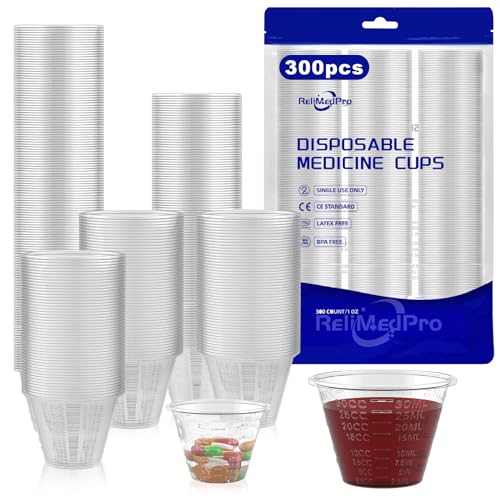
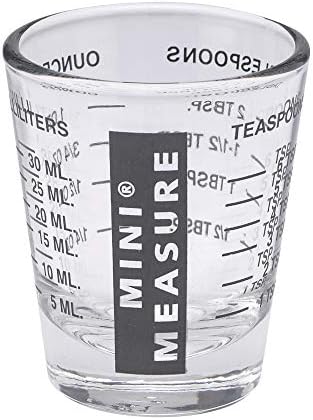
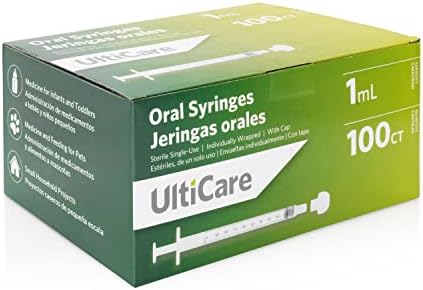


As an Amazon Associate, Measuring Expert earns from qualifying purchases.
These picks rest on manufacturer specs and buyer reports, not our own testing. For prescription medicine, however, still use the device your pharmacy hands you.
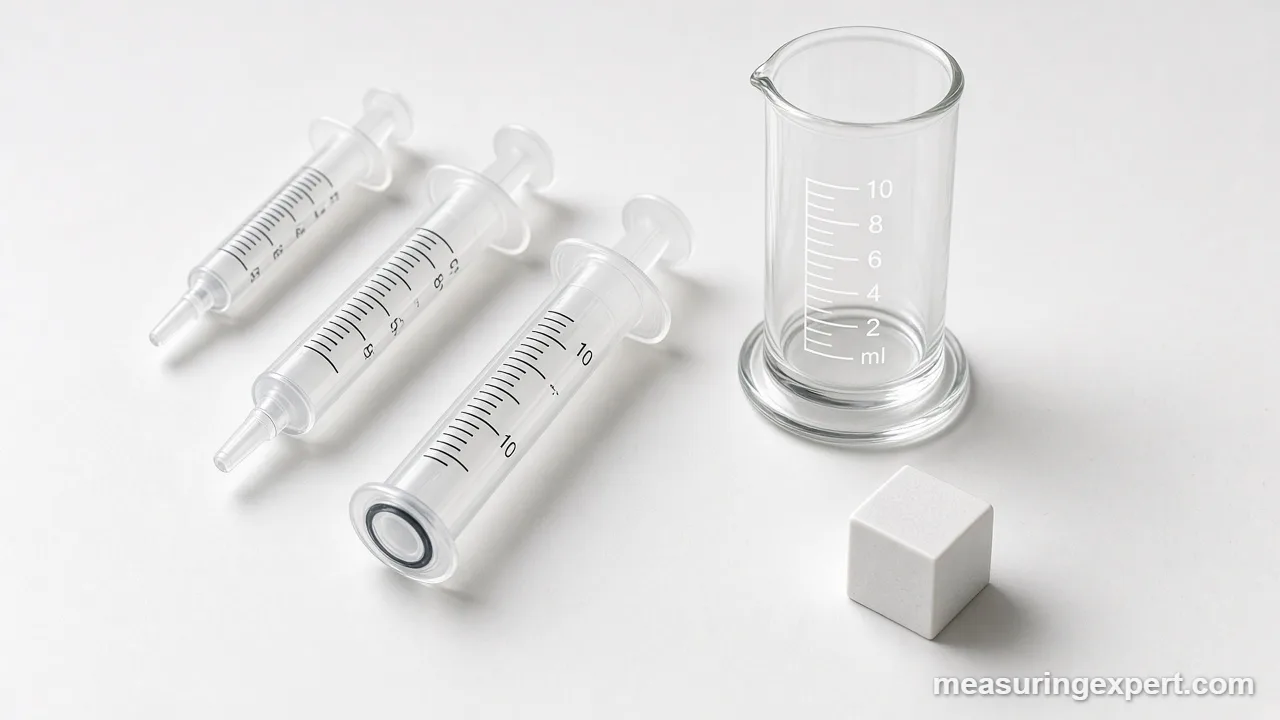
cc vs mL vs cm3 vs Cubic Inch
Above all, four labels cause most of the mix-ups. Of these, three describe the same volume, and the fourth is a much bigger imperial unit.
| Label | Name | Size | Where you see it |
|---|---|---|---|
| cc | cubic centimeter | 1 cm3 = 1 mL | Older syringes, engines, some recipes |
| cm3 | cubic centimeter (SI symbol) | 1 mL | Science, engineering drawings |
| mL | milliliter | 1 cm3 | Medicine labels, drinks, kitchen tools |
| cu in (in3) | cubic inch | 16.387064 cm3 exactly | US engine sizes, tanks, boxes |
In addition, the cubic inch figure comes straight from the inch. Since 1 inch is exactly 2.54 cm, a cubic inch is 2.54 x 2.54 x 2.54 = 16.387064 cubic centimeters. Therefore one liter holds about 61.02 cubic inches.
What Does cc Mean on a Syringe?
On a syringe, cc tells you how much liquid the barrel holds. For example, a barrel marked 3 cc holds 3 mL. Most newer syringes, however, print mL instead, yet the size and the lines are identical.
That shift, in fact, is deliberate. The Institute for Safe Medication Practices (ISMP) lists “cc” on its List of Error-Prone Abbreviations. On that list, ISMP notes that a handwritten “cc” can be mistaken for “u” (units), so the fix it gives is simple: write mL. This matters because insulin and some other drugs use units, and U-100 insulin packs 100 units into each mL. As a result, misreading a volume as units could change a dose many times over.
For more on how pharmacies write doses, read our guide to measurement units in pharmacy.
How to Measure cc With a Syringe
Reading the lines takes a few seconds once you know what to look for. So follow these steps for an oral syringe:
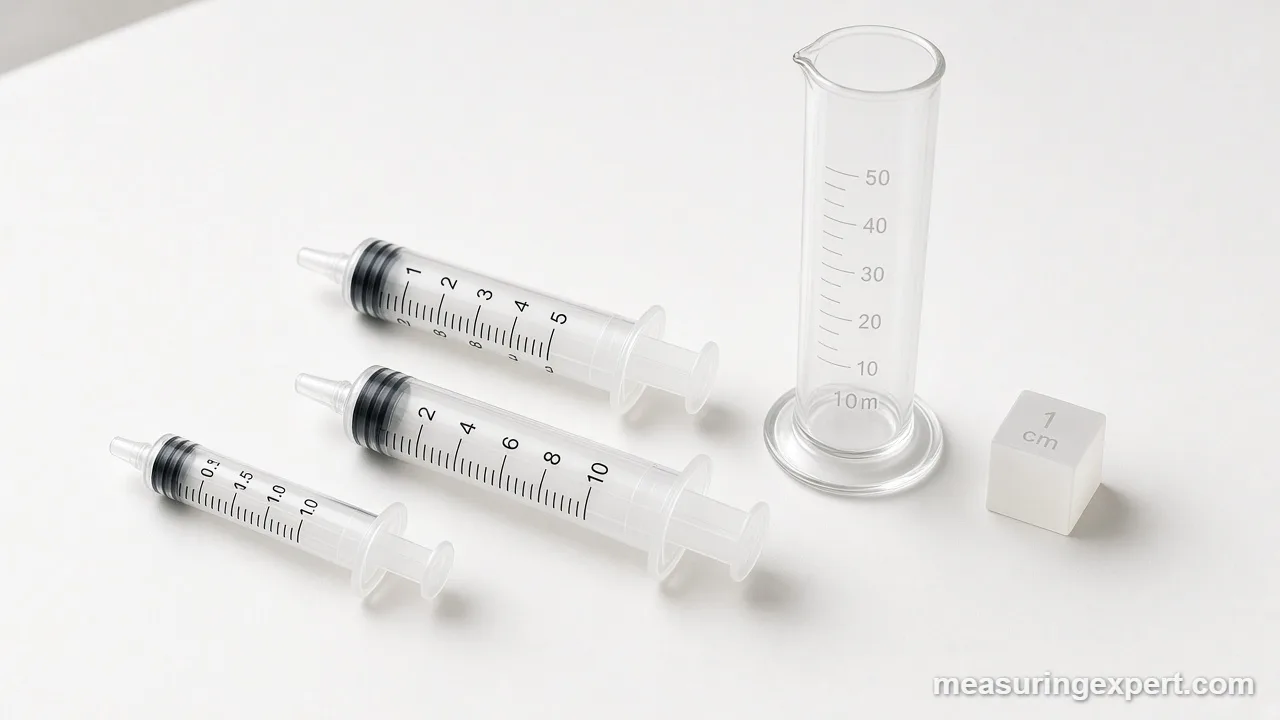
- Check the scale. First, find the largest number on the barrel and note whether the label says mL or cc. Either way, one line per unit is the same volume.
- Work out each small line. Next, count the spaces between two numbers. For instance, ten spaces between 0 and 1 means each line is 0.1 mL.
- Push the plunger all the way in. Next, place the tip in the liquid.
- Pull back slowly. Then stop when the top edge of the plunger seal lines up with your target mark.
- Tap out air bubbles. To do this, hold the tip up, flick the barrel gently, and push the bubble out.
- Read at eye level. Finally, recheck the mark before you give the dose or add the liquid.
You can also enter the target amount in the converter above to see it in teaspoons, which helps if a recipe or old label uses both systems.
What Does cc Mean on an Engine?
On engines, cc describes displacement. In other words, it is the total volume all the pistons sweep as they move from the bottom of their stroke to the top. In general, a larger displacement lets the engine burn more fuel and air per cycle.
Below are some typical sizes, with each cubic inch value computed from 16.387064 cm3 per cubic inch:
| Engine size | Liters | Cubic inches | Typical use |
|---|---|---|---|
| 50 cm3 | 0.05 L | 3.05 cu in | Small scooters |
| 125 cm3 | 0.125 L | 7.63 cu in | Learner motorcycles |
| 600 cm3 | 0.6 L | 36.6 cu in | Sport motorcycles |
| 1,600 cm3 | 1.6 L | 97.6 cu in | Small cars |
| 5,735 cm3 | 5.7 L | 350 cu in | Classic US V8 |
So a “1.6 L” car and a “1,600 cc” car have the same engine size. Similarly, the famous 350 cubic inch V8 works out to about 5,735 cm3, which carmakers round to 5.7 L.
Cubic Centimeters in the Kitchen
In US recipes, by contrast, cc is rare. However, Japanese recipes and measuring cups often use it. A standard Japanese measuring cup holds 200 mL, or a bit less than a US cup of about 236.6 mL. Also, some vintage cookbooks and lab-style kitchen tools still print cc on the side.
Do and Don’t With Small Volumes
Do
- Treat cc and mL as the same amount, because they are.
- Write mL on any note about medicine.
- Read syringe lines at eye level so the mark is not skewed.
- Check whether a cup is US or Japanese size.
- Keep the leading zero, as in 0.5 mL.
Don’t
- Confuse cubic and square centimeters.
- Measure medicine with eating spoons, since they vary in size.
- Read “cc” as “units” on a label.
- Mix up liters and cubic inches on engines.
- Round a tiny dose to the nearest teaspoon.
Honest Limits of cc Conversions
First, the cc-to-mL step is exact, so you never need to round it. The spoon and ounce numbers, on the other hand, round the long US definitions. For example, 5 mL is 1.014 US teaspoons, which is close enough for cooking but not identical. Moreover, real tools add their own error. For instance, a thick ink line on a cheap cup can cover a whole mL, and kitchen spoons vary from set to set. Finally, cubic centimeters measure volume only. A spoonful of honey weighs more than a spoonful of water, so you need density data to turn volume into grams.
When Precise Readings Really Matter
For soup, of course, a slightly generous 5 cc makes no difference. Still, three cases call for extra care:
- Liquid medicine. Children’s doses often run 2.5 or 5 mL, so even a small slip is a large share of the dose.
- Two-stroke fuel mixes. For example, oil ratios such as 50:1 depend on measuring a few dozen cc of oil correctly.
- Lab and hobby chemistry. Here, a graduated cylinder or pipette therefore beats any kitchen tool.
Frequently Asked Questions
What does cc stand for in measurement?
It stands for cubic centimeter, a unit of volume. One cubic centimeter is a cube 1 cm on each side, and it equals exactly 1 mL.
Is 1 cc the same as 1 mL?
Yes. NIST describes the milliliter as a special name for the cubic centimeter, so 1 cc and 1 mL are the same volume.
How many cc are in a teaspoon?
A US teaspoon is about 4.93 cc. However, nutrition labels and metric recipes round it to 5 cc.
How big is a tablespoon in milliliters?
A US tablespoon is about 14.79 mL, usually rounded to 15 mL. By contrast, an Australian tablespoon is 20 mL.
How many milliliters are in an ounce?
One US fluid ounce is about 29.57 mL. A weight ounce, however, is a different unit and has no fixed volume.
How many cubic centimeters make a liter?
There are exactly 1,000 cubic centimeters in 1 liter, so a 1,000 cubic centimeter engine is a 1.0 liter engine.
Why do hospitals write mL instead of cc?
ISMP lists cc as error-prone because a handwritten cc can look like u for units. As a result, writing mL avoids that dose error.
What does 125 mean on a motorcycle badge?
It usually means the engine displaces 125 cubic centimeters, or 0.125 liters, which is about 7.63 cubic inches.
How do I convert cc to cubic inches?
Divide by 16.387064. For example, 1,600 cubic centimeters divided by 16.387064 gives about 97.6 cubic inches.
Does cc mean something else outside measurement?
Yes. In email, CC means carbon copy. In measurement, however, it always means cubic centimeter.
cc in Short: The Bottom Line
In short, cc is a cubic centimeter, and one cubic centimeter equals exactly one milliliter. For example, you will see it on engines, older syringes and some recipes, and every time you can read it as mL. For medicine, though, the safer habit is to write and read mL, and to use the dosing device that comes with the drug.
2 thoughts on “What Does cc Stand For in Measurement? Cubic Centimeters Explained”